

What Smart Glasses Actually Are (And Aren't)
The term "smart glasses" gets thrown around loosely. Let's establish what we're actually discussing.
At minimum, smart glasses are eyewear with embedded technology that goes beyond vision correction. They might play audio, capture photos, display information, or connect to other devices. The glasses themselves become computing platform rather than passive accessory.
What they're not—at least not yet in consumer-ready form—is the seamless digital-physical overlay that movies promised. Full augmented reality remains limited by physics: battery life, processing power, display technology, and heat management all constrain what's possible in something light enough to wear comfortably all day.
Current smart glasses exist on a spectrum:
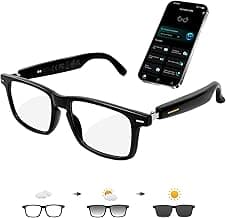
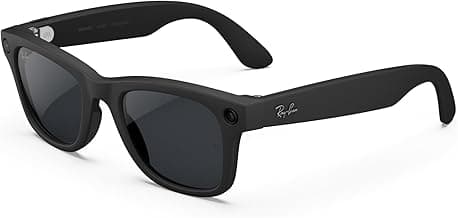
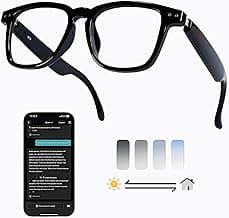
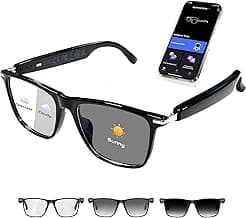
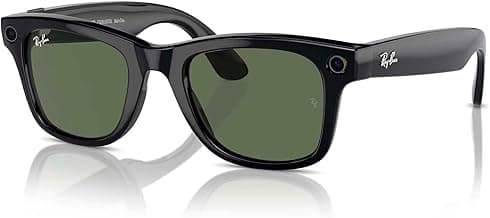
Audio glasses embed speakers and microphones into otherwise normal-looking frames. They play music, take calls, and offer voice assistant access without earbuds. Think Ray-Ban Meta or similar products.
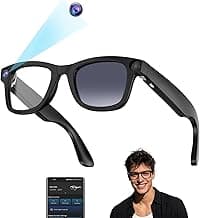
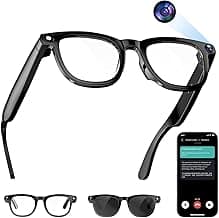
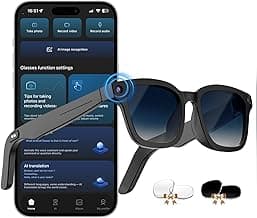
Camera glasses add discrete cameras for capturing photos and video from eye-level perspective. Same form factor as regular glasses; different capability.
Heads-up display glasses project limited information—notifications, navigation cues, simple data—into peripheral vision without full AR capability.
Full AR glasses overlay digital objects onto the physical world, creating mixed-reality experiences. These remain bulkier and pricier, serving specific use cases rather than all-day wear.
Each category represents different technology, different price point, and different recipient suitability. The gift that delights one person might confuse another.
"Smart glasses succeed when they enhance daily life without demanding attention. The technology should feel like magic, not homework."
Who Actually Wants Smart Glasses
This isn't a universal gift. Smart glasses appeal to specific recipient profiles:
The early adopter. He lines up for new phone releases. She reads tech news for fun. They want tomorrow's technology today, even if it's imperfect. Smart glasses feed this appetite for what's next—technology they can wear before most people even understand what it does.
The hands-free seeker. Parents juggling kids and calls simultaneously. Cyclists who need navigation without looking down. Professionals whose work requires eyes and hands occupied while still needing audio access. For them, smart glasses solve real workflow problems.
The podcast/audiobook devotee. Someone who consumes audio content constantly—during commutes, workouts, household chores—but dislikes earbuds might embrace audio glasses. Sound without ear intrusion appeals to this listener profile.
The content creator. Vloggers, social media creators, and documentary-minded individuals value hands-free POV capture. Camera glasses offer perspective that phones and action cameras can't match.
The fitness enthusiast. Athletes who want data, audio, and communication without carrying devices or wearing multiple accessories. Smart glasses consolidate functions that otherwise require phone, earbuds, and watch.
Who shouldn't receive this gift? Privacy-sensitive recipients uncomfortable with camera-equipped wearables. Technophobes who struggle with existing devices. Anyone who explicitly values disconnecting from technology. Know your recipient before committing to this category.
For tech enthusiasts who might prefer wrist-based solutions, our smart watch guide covers that alternative thoroughly.
The Audio Glasses Revolution
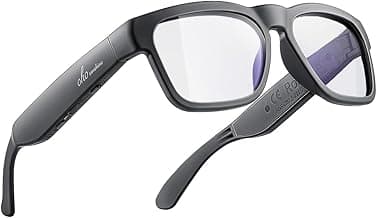
Audio-focused smart glasses represent the most mature and accessible category. They look like regular glasses. They function like regular glasses. But they also play your music, take your calls, and respond to your voice.
The appeal is subtle but real. No earbuds blocking ambient sound. No headphones messing with hairstyles. No visible tech announcing "I'm unavailable" to the world. Just glasses that happen to have speakers aimed at your ears.
Sound quality has reached genuinely impressive levels. Not audiophile-grade, but absolutely sufficient for podcasts, calls, and casual music listening. The open-ear design means others nearby can potentially hear at high volumes—something to consider for office use—but at reasonable levels, audio stays surprisingly private.
Battery life typically delivers 4-6 hours of continuous audio use, with charging cases extending daily capacity. This isn't all-day-every-day performance, but it covers commutes, workouts, and focused work sessions.
Integration varies by ecosystem. Meta's Ray-Ban collaboration works seamlessly with their platforms. Other brands connect via standard Bluetooth with varying degrees of voice assistant compatibility. iPhone users and Android users may have different optimal choices.
Prescription lens options exist for most popular audio glasses now—a critical feature for people who actually need glasses, not just want a gadget.
Augmented Reality: Where We Actually Are
Full augmented reality glasses capture imagination more than audio frames do. The promise of digital information seamlessly merged with physical reality—directions floating ahead of you, messages appearing in peripheral vision, virtual objects inhabiting real space—represents genuinely transformative technology.
The reality is more modest. Consumer AR glasses today face hard physical constraints:
Display limitations. Projecting bright, clear images onto transparent lenses remains technically challenging. Current AR displays work best in controlled lighting; bright sunlight washes them out.
Field of view. The area where digital content appears is narrower than natural vision. Looking at AR content means looking at specific zones, not everywhere naturally.
Battery and heat. Processing power sufficient for compelling AR generates heat and drains batteries quickly. All-day wear remains elusive for full AR functionality.
Weight and bulk. Current AR glasses run heavier than regular eyewear—noticeable over extended wear and sometimes awkward-looking.
None of this means AR glasses aren't worth gifting. It means understanding what they currently deliver. For specific use cases—navigation while cycling, heads-up information during activities, entertainment experiences—they provide genuine value. As general-purpose all-day eyewear, they're not quite there yet.
The recipient who'd appreciate current AR glasses embraces emerging technology with its limitations. Someone expecting finished, seamless product will be disappointed. Someone excited about participating in technology's evolution will find plenty to enjoy.
"Today's AR glasses are extraordinary technology that doesn't yet feel ordinary. The magic is real; the seamlessness isn't—yet."
The Camera Question
Many smart glasses include cameras. This feature warrants specific consideration for gifting.
On one hand, eye-level capture creates genuinely useful and unique content. Hands-free photography while holding a child, cooking, or doing any manual activity. Video from natural human perspective rather than held-phone angle. Quick capture of moments that would otherwise require fishing out a phone.
On the other hand, cameras on faces raise social considerations. Some environments prohibit recording devices. Some people feel uncomfortable around camera-equipped eyewear. The wearer becomes responsible for navigating these sensitivities.
For gift-givers, consider the recipient's use context:
Will they primarily use glasses in environments where recording is normal and accepted? Content creators, outdoor enthusiasts, parents at family events—cameras enhance their use case.
Will they frequently encounter contexts where cameras create problems? Gyms, certain workplaces, privacy-conscious social circles—cameras become liability rather than feature.
Some smart glasses include physical camera shutters or removable camera modules that address this partially. The wearer can demonstrate that recording isn't happening. But the conversation still becomes necessary.
Glasses without cameras avoid this entirely. Audio-focused frames without camera capability face zero social friction while still delivering substantial smart features.
Leading Options Worth Considering
The smart glasses market has consolidated around several serious options:
Ray-Ban Meta (Audio + Camera)
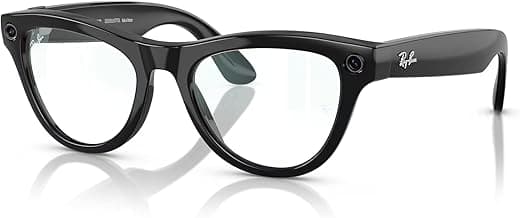
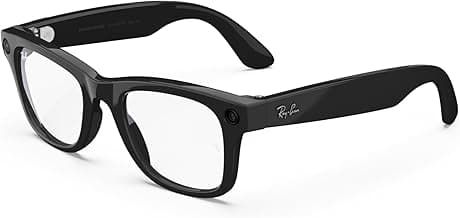
The collaboration between Ray-Ban and Meta produced smart glasses that actually look like desirable eyewear. Classic Ray-Ban styles—Wayfarer and others—with integrated speakers, microphones, and cameras. The design achievement is significant: these pass as regular glasses unless someone inspects closely.
Audio quality impressed reviewers. Camera captures are Instagram/Facebook-ready (unsurprising given Meta's ownership). Voice control works reasonably well. Prescription lens compatibility makes them practical for people who actually need glasses.
The Meta ecosystem integration is both strength and limitation. Seamless if recipient already uses Meta platforms; less compelling if they don't.
Amazon Echo Frames (Audio Focus)
Amazon's entry focuses purely on audio—no camera, no AR. They look like ordinary glasses and function primarily as Alexa-enabled audio devices. The approach prioritizes being unobtrusive over being impressive.
For recipients already embedded in Amazon's ecosystem—Alexa at home, Amazon Music, Audible—these integrate naturally. For others, the value proposition diminishes.
Xreal/Nreal (AR Focus)
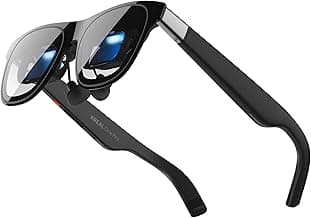
For actual augmented reality experiences, Xreal (formerly Nreal) offers consumer-accessible options. These connect to phones or compatible devices to project virtual displays into the wearer's field of view.
They're not subtle—clearly tech devices rather than regular glasses. But for AR-specific use cases (gaming, virtual monitors, entertainment), they deliver capability that audio-only glasses can't match.
Bose Frames (Audio Quality)
Bose brought audio expertise to the smart glasses category. Sound quality genuinely impresses—perhaps the best purely as listening devices. They function as sunglasses with excellent built-in sound rather than gadgets that happen to be glasses.
Limited smart features compared to competitors, but audio performance justifies consideration for recipients who prioritize sound quality above other capabilities.
For tech accessories beyond eyewear, explore our electronic gift ideas for broader options.
Price Expectations
Smart glasses pricing spans considerable range:
$150-$250: Entry audio glasses territory. Basic but functional. Works for testing interest before major investment. Bose Frames often reach this range during sales.
$250-$400: Core market for quality audio glasses. Ray-Ban Meta's standard line sits here. Genuine quality, recognizable design, full feature sets. Most gift purchases should target this range.
$400-$700: Premium audio glasses with prescription options, or entry AR glasses. Higher investment justified for recipients who'll use glasses daily.
$700+: Full AR glasses with serious capability. Significant investment appropriate for tech enthusiasts who understand what they're getting and will actually use the features.
Prescription lenses add $100-$300 depending on complexity. Factor this if recipient actually needs vision correction—otherwise the glasses become sunglasses-only or sit unused.
The Practical Gift Considerations
Smart glasses introduce specific gifting challenges worth addressing:
Fit matters intensely. Unlike watches or earbuds with some size flexibility, glasses must fit faces specifically. Too wide, they slide. Too narrow, they squeeze. Temple length, nose pad position, lens height—all must suit the recipient. When possible, check measurements against frames they currently wear.
Style preferences vary. Smart glasses force style choices—frame shape, color, aesthetic. A Wayfarer-style frame perfect for one recipient looks completely wrong on another. Know their eyewear preferences before committing.
Prescription needs complicate things. If the recipient needs corrective lenses, non-prescription smart glasses are basically useless. Either buy glasses that accommodate prescription lenses (and arrange for lens insertion) or ensure they'll wear these over contacts.
Ecosystem matters. Ray-Ban Meta works best with Meta services. Amazon Frames shine within Amazon ecosystem. iOS users and Android users have different optimal choices for some products. Know their tech environment.
Return policies save gifting. Even careful selection sometimes misses. Buy from retailers with generous return windows—eyewear fit is personal enough that exchanges should be assumed possible.
Setting Appropriate Expectations
Smart glasses impress most when recipients understand what they're getting. Setting expectations correctly enhances gift impact:
These aren't phone replacements. They augment phone functionality; they don't eliminate phone need. Someone hoping to leave their phone at home will be disappointed.
Battery life requires management. Daily charging is reality for any smart glasses. This isn't failure; it's physics. Recipients who hate charging devices might find this frustrating.
Audio quality varies by expectation. Outstanding for built-into-glasses sound; not comparable to quality headphones. Set expectations accordingly.
Learning curve exists. Voice commands, gesture controls, app integration—smart glasses require learning. Recipients should expect adjustment period, not instant mastery.
Current AR limitations are real. Anyone expecting seamless Iron Man-style heads-up display will be disappointed by current consumer AR. Amazing technology with obvious constraints.
Including a note with the gift addressing these realities honestly prevents disappointment while positioning you as thoughtful gift-giver who understands what you're giving.
"The best tech gifts come with honest context. Overselling creates disappointment; accurate framing creates appreciation for what the technology actually delivers."
Complementing the Gift
Smart glasses pair well with several additions:
Premium carrying case. Protect the investment. Quality hard case designed for smart glasses (which are thicker than regular frames) shows comprehensive thinking.
Cleaning kit. Tech eyewear requires regular cleaning—lenses plus electronics. Quality microfiber cloths and appropriate cleaners.
Charging accessories. Extra charging cables, travel case with built-in charging, or portable power for glasses that support it.
Prescription lens gift card. If the smart glasses support prescription lenses and you're uncertain about their prescription details, include a gift card covering lens cost. They handle the specifics; you cover the expense.
Related subscription. Audible subscription pairs naturally with audio glasses. Music streaming service if they don't already have one. Content to actually enjoy through their new glasses.
For related tech accessories that complement smart glasses, see our gift ideas for men collection.
Occasions That Suit Smart Glasses
Smart glasses work particularly well for:
Milestone birthdays. 30th, 40th, 50th—occasions significant enough to justify tech investment. "Welcome to your [decade]—here's the future" framing works well.
Graduations. Entering professional life or completing advanced degrees. Future-focused gift for future-focused moment.
Promotions and career achievements. Recognition of professional success with forward-looking technology.
Retirement. For tech-comfortable retirees, smart glasses support active lifestyle—podcasts during walks, hands-free calls during activities, capture of new experiences.
Holiday tentpole gifts. When smart glasses are the featured present rather than stocking stuffer—appropriate for serious tech investment.
When Smart Glasses Aren't the Right Choice
This gift category doesn't suit everyone:
Recipients who struggle with existing technology will find smart glasses overwhelming rather than exciting.
Strong privacy advocates uncomfortable with wearable cameras might reject the gift philosophically—even if you chose camera-free option, the category associations exist.
People who explicitly value "unplugging" from technology won't appreciate technology literally attached to their face.
Anyone who doesn't regularly wear glasses (and doesn't need vision correction) might find glasses-format uncomfortable regardless of smart features.
Budget-sensitive recipients might feel uncomfortable receiving expensive tech gifts—know the relationship dynamics.
For tech-resistant recipients, our gift basket guide offers alternative directions entirely.
The Timing Consideration
Technology moves quickly. Smart glasses available today will be superseded by improved versions eventually. This raises the "should I wait" question.
The answer depends on recipient profile. For early adopters who enjoy participating in technology evolution, current products provide genuine value and enjoyment now. Waiting for "perfect" means waiting forever—there's always something better coming.
For recipients who expect polished, mature technology, current smart glasses might underwhelm. They're impressive but not invisible. They're capable but not complete. Waiting for more mature iterations might make sense.
For gifting specifically, current options are absolutely gift-worthy. They work well, provide real value, and create genuine excitement. The recipient who'd love smart glasses today won't love them more by waiting—they'll just have more time without them.
Making Your Selection
Synthesizing guidance into decision framework:
For audio-focused recipients: Ray-Ban Meta or Bose Frames depending on ecosystem preference and sound quality priority.
For AR enthusiasts: Xreal or similar dedicated AR glasses, understanding the limitations and use-case specificity.
For content creators: Camera-equipped options like Ray-Ban Meta that enable hands-free capture.
For everyday enhancement seekers: Audio glasses without cameras—simplest to use, fewest social complications, most mature technology.
For budget-conscious tech gifting: Entry-level audio glasses or wait for sales on premium options. Don't compromise on quality that would disappoint.
The best smart glasses gift matches technology capability to recipient interest, form factor to face and style preference, and ecosystem to existing tech environment. Get those matches right and you're giving something genuinely exciting. Miss them and even impressive technology falls flat.
Final Thoughts
Smart glasses occupy fascinating territory—mature enough to deliver real value, emerging enough to still feel like the future. The right recipient will genuinely appreciate receiving technology that most people haven't experienced yet.
The key lies in matching. Know their tech comfort. Know their style preferences. Know their use cases. Know their ecosystem. Smart glasses aren't generic gifts that work for anyone; they're specific gifts that thrill the right someone.
For that right someone, opening a box containing glasses that play music, take calls, capture moments, or overlay digital information onto reality creates a gifting moment that ordinary presents can't match. You're not just giving a product—you're giving a glimpse of where technology is heading.
And you're giving it before most people even know it exists.
Gifts are for making an impression, not just for the sake of it.
GiftsPick – Meticulous, Kind, Objective.