
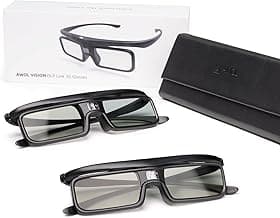
Why 3D Glasses Still Matter
You might think 3D had its moment and faded. That's partially true for theaters, where 3D showings have declined. But home 3D persists for good reasons.
Modern 3D projectors and TVs deliver genuinely impressive experiences. Avatar, Gravity, Hugo—films designed for 3D look dramatically different than their 2D versions. The depth isn't gimmick; it's integral to how these movies were crafted. Watching them flat means missing what the filmmakers intended.
Gaming in 3D has its devoted following too. Racing games, flight simulators, and certain action titles gain genuine immersion from depth perception. PlayStation VR and similar systems created new 3D gaming markets entirely.
Home theater enthusiasts understand this. They've bought the capable display. They have the 3D content. What they often lack is enough quality glasses for themselves and guests. The one or two pairs that came bundled with their TV sit in a drawer while everyone watches in 2D because nobody wanted to share or use uncomfortable stock glasses.
Gifting quality 3D glasses solves this gap practically while showing you understand their hobby specifically.
"The home theater enthusiast has the equipment. They have the content. What they're often missing is enough quality glasses to actually enjoy what they've built."
Understanding 3D Technology Types
Before selecting glasses, you need to understand a critical compatibility issue: different 3D technologies require different glasses. They're not interchangeable. Giving incompatible glasses means giving something completely useless.
Three main technologies dominate home 3D:
Active Shutter Glasses
These glasses contain LCD shutters that rapidly alternate between blocking left and right eyes in sync with the display. They require batteries or charging and communicate with the TV/projector wirelessly—usually via Bluetooth or infrared.
Active shutter delivers full resolution to each eye—the technically superior approach. But glasses are heavier, more expensive, and require maintaining charge. Most 3D-capable TVs from Samsung, Sony, Panasonic, and others use active shutter technology.
Critical compatibility note: active shutter glasses are often brand-specific. Samsung glasses may not work with Sony TVs and vice versa. Some universal active glasses exist, but compatibility verification is essential before purchasing.
Passive Polarized Glasses
These use polarization—the same approach as most movie theaters. The display shows both left and right eye images simultaneously using different polarization; the glasses filter so each eye sees only its intended image.
Passive glasses are lighter, cheaper, don't require batteries, and often more comfortable for extended viewing. The trade-off: reduced vertical resolution since each eye gets half the display's lines. LG's 3D TVs primarily use passive technology.
Passive glasses are simpler to gift—no brand-specific compatibility issues. If the recipient has a passive 3D display, standard passive glasses work. But you must confirm they actually have passive technology, not active.
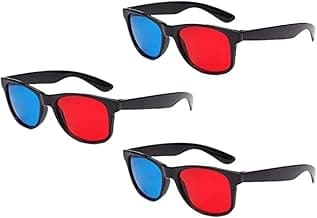
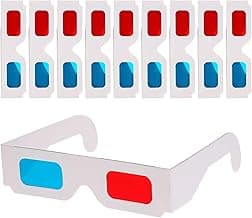
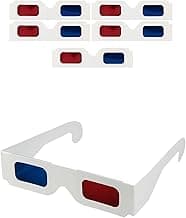
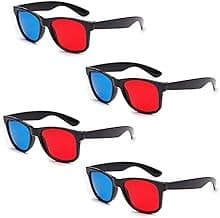
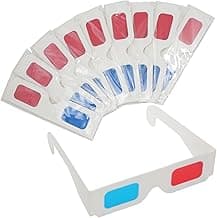
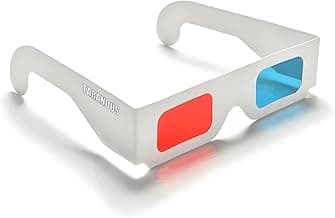
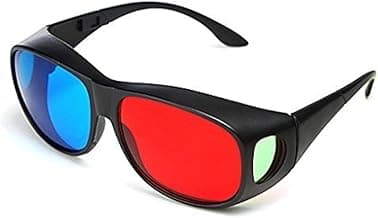
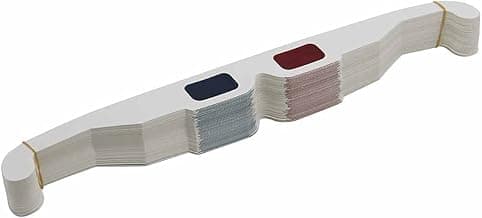
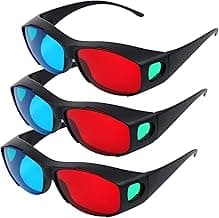
Anaglyph (Red/Blue)
The old-school approach using colored lenses. Still used for some printed materials and novelty applications but largely obsolete for serious home theater. Don't gift these for modern 3D setups—they're the wrong technology.
Who Actually Wants 3D Glasses
This gift works for specific recipient profiles:
The home theater builder. He's got the projector, the screen, the sound system. The room is optimized for viewing. 3D capability exists but rarely gets used because glasses are limited or uncomfortable. Quality glasses enable the full capability of equipment he's already invested in heavily.
The movie enthusiast. She owns 3D Blu-rays. She appreciates the difference between theatrical presentation and home viewing. She's the type who notices when aspect ratios are wrong. Quality 3D glasses align with her appreciation for proper viewing experiences.
The family movie night host. They watch films together regularly but only have two pairs of glasses that came with the TV. Nobody wants to be the one watching in 2D while others see depth. A multi-pack of glasses means the whole family—or visiting friends—can share the experience.
The gamer with 3D capability. PlayStation 3D display owners, certain PC gaming setups, or projector gamers who've enabled 3D. Gaming sessions benefit from comfortable glasses that don't cause fatigue over extended play.
Who shouldn't receive this gift? Anyone who doesn't actually have 3D-capable display equipment. This seems obvious but matters—3D glasses without 3D display are genuinely useless. Verify before purchasing.
For movie lovers without 3D setups, our streaming device guide might offer more relevant gift direction.
What Separates Good 3D Glasses from Bad Ones
The glasses bundled with 3D displays are typically adequate but rarely excellent. Aftermarket options improve on them in several ways:
Comfort for extended wear. Stock glasses often pinch, squeeze, or cause headaches over full movie length. Quality glasses distribute weight better, use softer nose pads, and fit more faces comfortably. This matters tremendously for someone watching 2-3 hour films.
Optical quality. Cheap lenses can introduce distortion, uneven 3D effect, or crosstalk (ghosting where images meant for one eye bleed into the other). Better glasses minimize these issues for cleaner, more comfortable viewing.
Build durability. Flimsy stock glasses break easily. Quality construction withstands regular use, storage, and the occasional drop. For a gift meant to last, construction quality matters.
Battery life (active glasses). Stock active glasses sometimes have limited battery capacity. Better aftermarket options offer longer viewing time between charges and faster charging when needed.
Fit over prescription glasses. Many 3D glasses don't accommodate people who wear corrective lenses. Designs with larger frames that fit over existing glasses serve a significant portion of viewers.
Style considerations. Stock glasses often look purely functional—fine for home use but obviously "tech equipment." Some aftermarket options look more like regular sunglasses, which some users prefer.
"The glasses that came with the TV work. Better glasses transform 3D viewing from something you tolerate into something you enjoy."
Finding Compatibility Information
Because compatibility is non-negotiable, here's how to determine what the recipient needs:
Check their TV or projector brand and model. This information identifies whether they use active or passive technology and, for active systems, which communication protocol their display uses.
Look at existing glasses if possible. Active shutter glasses have visible electronics—battery compartments, power buttons, sync buttons. Passive glasses are simple like sunglasses with no electronics. This visual check confirms technology type instantly.
For active systems, note the brand. Samsung, Sony, Panasonic, and others often use proprietary sync protocols. "Universal" active glasses exist but checking specific compatibility lists before purchasing prevents disappointment.
When uncertain, ask. "Hey, what kind of 3D glasses does your TV use?" doesn't spoil the gift surprise entirely but ensures what you buy actually works. Better to sacrifice some surprise than give incompatible equipment.
Keep receipts for exchange. If compatibility turns out wrong despite your research, easy exchange options save the gift.
Quantity Considerations
Single glasses might suit someone living alone. Most recipients benefit from multiple pairs:
Two-pack: Minimum for couples or anyone who occasionally has a viewing partner. Covers the primary household viewers.
Four-pack: Accommodates family movie nights or having another couple over. The sweet spot for most households with regular 3D viewing.
Six-pack or more: For the serious host who regularly has groups over for movie nights. The person whose home theater is a social gathering point.
Multi-packs often offer better per-unit pricing than buying singles. Consider the recipient's viewing habits and social patterns when choosing quantity. Giving four glasses to someone who always watches alone wastes money; giving two to someone who hosts weekly movie nights falls short.
Price Expectations
3D glasses pricing varies significantly by technology and quality:
Passive glasses ($10-$30 for multi-packs): Since passive glasses are simpler technology, pricing stays accessible. Even quality passive glasses cost relatively little. Excellent for gifting multiple pairs without major expense.
Active shutter glasses ($20-$60 per pair): The electronics drive costs higher. Universal active glasses that work across brands typically cost more than brand-specific options. Quality matters more here—cheap active glasses often have sync issues or short battery life.
Premium/specialized ($60-$150 per pair): High-end active glasses with superior optics, extended battery, or special features like prescription lens compatibility. Justified for serious home theater enthusiasts who watch frequently.
For gifting, passive glasses offer straightforward value. Active glasses require more investment but solve more significant problems for recipients using that technology.
Features Worth Considering
Beyond basic compatibility, certain features enhance specific use cases:
Rechargeable vs. replaceable batteries (active). Rechargeable is more convenient long-term but requires charging infrastructure. Replaceable batteries work immediately but create ongoing cost. Know recipient preference if possible.
USB charging (active). Standard USB charging means any phone charger works. Proprietary charging cables create hassle. USB-C is most convenient currently.
Simultaneous multi-glasses charging. For multi-pack active glasses, charging stands that handle all pairs simultaneously save hassle versus charging one at a time.
Auto on/off (active). Glasses that activate when unfolded and sleep when folded preserve battery without manual power management.
Fit-over design. Frames large enough to wear over prescription glasses serve vision-corrected viewers who don't want contacts for movie watching.
Nose pad adjustability. Different faces benefit from different nose pad positions. Adjustable pads improve fit across more face shapes.
Weight distribution. Heavier glasses (especially active) should distribute weight across nose and ears evenly. Uneven weight causes discomfort over long viewing.
Brand Options Worth Knowing
Several brands serve the 3D glasses market reliably:
TV manufacturer brands: Samsung, LG, Sony, and Panasonic all sell glasses for their own 3D systems. Guaranteed compatibility but sometimes premium-priced for the assurance.
Universal active glass makers: Brands like SainSonic and others produce active glasses claiming compatibility across multiple TV brands. Verify specific compatibility but these often offer good value versus manufacturer glasses.
Generic passive suppliers: Since passive technology is standardized, many generic options work perfectly well. RealD-style polarized glasses (the kind theaters use) work with home passive 3D displays.
Brand prestige matters less here than with other gift categories. Function and compatibility drive value more than name recognition.
Presentation Ideas
3D glasses aren't inherently impressive unwrapped—small plastic items don't create dramatic gift moments. Enhance presentation:
Pair with 3D content. A 3D Blu-ray the recipient doesn't own transforms "here are glasses" into "here's a complete experience ready to enjoy." Choose something that showcases 3D impressively—Avatar, Gravity, Life of Pi.
Include theater snacks. Popcorn, candy, and the glasses together suggest "movie night supplies" package rather than single accessory.
Add a glasses case or organizer. Practical addition that helps them store multiple pairs properly—something often overlooked until glasses get scratched in a drawer.
Frame it as "completing the theater." If you know they've invested in home theater equipment, acknowledging that investment in your gift message adds meaning. "For your cinema—now everyone can see in 3D."
For the movie enthusiast who might appreciate broader viewing accessories, our monitor guide covers complementary territory.
"The glasses themselves are practical. The presentation tells the recipient you understand what they've built and want to help them use it fully."
Common Mistakes to Avoid
Several errors undermine 3D glasses gifting:
Ignoring compatibility. The cardinal sin. Active glasses for passive TV (or vice versa) are completely non-functional. Wrong brand active glasses may not sync at all. Verify technology type and brand compatibility before purchasing.
Assuming one size fits all. Adult glasses don't fit children well. Glasses designed for average faces may not fit very large or small heads comfortably. If gifting to family with kids, consider mixed sizes or adjustable options.
Forgetting about prescription wearers. Recipients who wear glasses daily need 3D glasses that fit over their corrective lenses—or clip-on 3D options. Standard frames that don't accommodate this make the gift frustrating to use.
Buying quantity over quality. Four uncomfortable glasses that nobody wants to wear serve worse than two quality pairs shared between four people. Prioritize wearability over pure count when budget requires choosing.
Not checking if they even have 3D display. Seems obvious, but gifting 3D glasses to someone without 3D-capable TV or projector gives them a completely useless item. Verify 3D capability exists before committing to this gift category.
When 3D Glasses Aren't the Right Gift
This gift doesn't suit everyone:
Recipients without 3D display equipment have no use for 3D glasses. Don't assume they have capability—verify.
People prone to motion sickness or headaches from 3D may not want encouragement to watch more 3D content. Some people genuinely can't enjoy the technology comfortably.
Those who've explicitly said they don't care about 3D despite having the capability have already decided. Respect that preference.
If they already have plenty of quality glasses and no complaints, you're solving a problem that doesn't exist.
For home entertainment enthusiasts where 3D isn't relevant, explore viewing device alternatives or broader gift ideas for men.
The Gifting Moment
3D glasses as standalone gift work fine but lack dramatic impact. Consider context that enhances the moment:
Movie night setup. Give the glasses, then immediately use them together for a 3D film. The gift gets demonstrated and enjoyed in real time.
Before a 3D release. If a major 3D home release is approaching (new Marvel on disc, for example), timing the gift to enable that viewing creates immediate relevance.
Part of home theater bundle. If you're giving multiple home theater items, glasses make logical inclusion. Standalone they're minor; as part of comprehensive gift they contribute meaningfully.
For the host before a gathering. If they're hosting a movie night and you know they lack enough glasses, gifting beforehand solves immediate problem with visible thoughtfulness.
Final Perspective
The best 3D glasses gift succeeds through specificity. You've identified that the recipient has 3D capability they're not fully using. You've verified compatibility requirements. You've selected quality options that improve on whatever basic glasses they have. You've chosen appropriate quantity for their viewing situation.
That level of attention transforms a $30-100 gift into something that shows genuine understanding of their hobby and lifestyle. They'll think of your gift every time the family gathers for a 3D movie night—which could be for years of use from quality glasses.
Not flashy. Not expensive. But thoughtful in ways that generic gifts can't match. That's the point of good gift-giving.
Gifts are for making an impression, not just for the sake of it.
GiftsPick – Meticulous, Kind, Objective.