

![QZQ Aquarium Gravel Cleaner [2025 Edition] Vacuum Fish Tank Vacuum Cleaner Tools for Aquarium Water Changer with Aquarium Thermometers Fish Net kit Use for Fish Tank Cleaning Gravel and Sand](/_next/image/?url=https%3A%2F%2Fm.media-amazon.com%2Fimages%2FI%2F71-EuhlLYPL._AC_UL320_.jpg&w=640&q=75)
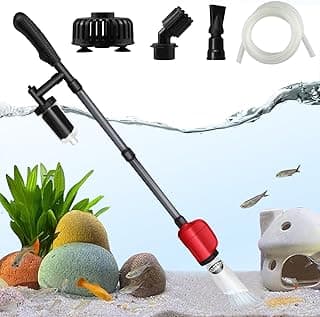
What Aquarium Vacuums Actually Do vs. What They're Called
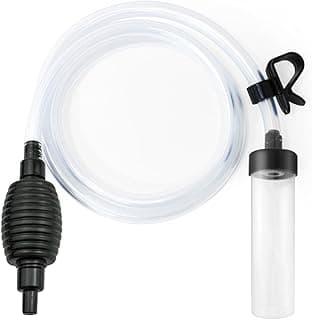
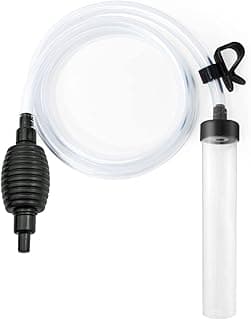
Aquarium "vacuums" prove gravity-powered siphons—starting water flow through hose creating suction lifting debris while water drains into bucket for disposal. The wide intake tube pushed into gravel allows waste particles becoming suspended in water flow exiting tank while heavier gravel falls back into place after disturbance. This simultaneous waste removal and water change proves fundamental weekly maintenance enabling sustained water quality between major cleaning interventions.
They don't work like household vacuums—no motors, no filters, no electrical components in most designs. The siphon principle utilizing gravity creating flow from higher tank to lower bucket positioned on floor provides all necessary suction. Understanding this mechanism prevents confusion expecting powered suction when reality involves simple fluid dynamics working reliably without mechanical complexity or failure points electrical equipment introduces unnecessarily.
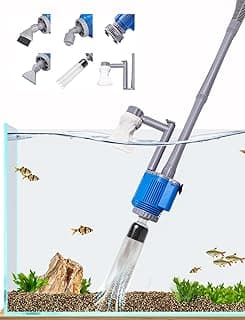
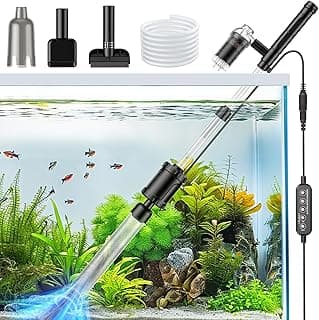
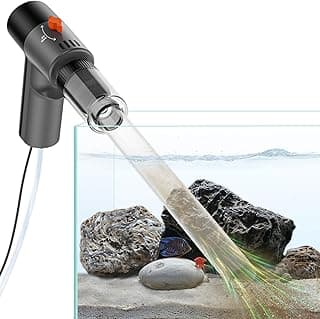
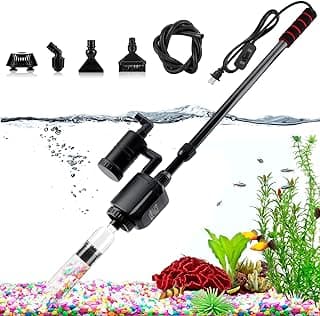
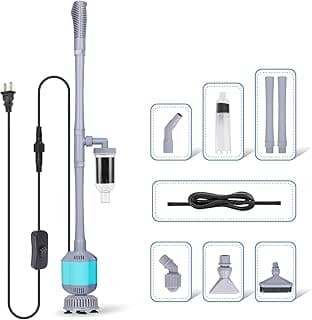
Battery-powered and electric models exist adding mechanical agitation and sometimes actual suction, but these prove niche products for specific applications rather than standard equipment most aquarists use. The manual siphon remains predominant because it works reliably, costs minimal, requires no maintenance, and accomplishes substrate cleaning adequately without complexity motorized alternatives introduce solving problems manual siphons don't actually create for most users and applications.
The best fish tank vacuum proves whichever design matches your substrate type, tank size, and maintenance comfort level—not necessarily most expensive or feature-rich but rather appropriate tool enabling regular use without frustration or complications preventing consistent maintenance schedule sustaining healthy aquarium environment fish health absolutely requires despite human inconvenience water changes represent.
Why Substrate Cleaning Proves Non-Negotiable
Fish waste and uneaten food decompose in gravel creating ammonia—toxic compound harming fish even at low concentrations biological filtration attempts neutralizing but can't eliminate when production exceeds processing capacity. Regular substrate vacuuming physically removes organic matter before decomposition occurs, reducing biological filter burden and maintaining water parameters supporting fish health rather than just barely tolerating contamination levels inadequate maintenance allows accumulating.
Anaerobic zones develop in deep substrate layers—areas lacking oxygen circulation where harmful bacteria producing toxic hydrogen sulfide thrive creating poisonous pockets occasionally releasing into water column when disturbed. Proper vacuuming disrupts these zones preventing establishment while removing waste before it works deep into substrate creating problems mechanical disturbance can't easily address once anaerobic conditions establish.
Beneficial bacteria colonize substrate surfaces—these organisms converting toxic ammonia through nitrite into relatively harmless nitrate prove essential to aquarium ecosystem. However, excessive waste accumulation can overwhelm bacterial populations or create conditions where harmful bacteria outcompete beneficial species. Regular waste removal maintains balance favoring beneficial bacteria without allowing harmful contamination establishing foothold threatening system stability.
Algae feeds on nutrients accumulated waste releases—regular substrate cleaning removes organic material before decomposition releases phosphates and nitrates fueling algae growth. The visible algae problem aquarists fight constantly often stems from inadequate substrate maintenance allowing nutrient accumulation feeding problem they're attempting controlling through symptoms rather than addressing root cause through proper waste removal preventing nutrient availability algae exploits.
For those watching friends struggle maintaining aquariums despite regular water changes and proper feeding, recognizing substrate cleaning as separate essential task many beginners overlook demonstrates understanding beyond casual fish-keeping knowledge. When considering practical gifts for men or thoughtful presents for women maintaining aquariums, proper maintenance equipment proves more valuable than decorative accessories they'll admire briefly then realize didn't address actual challenges sustaining healthy fish environment demands.
Gravel vs Sand: Fundamentally Different Cleaning Approaches
Gravel vacuums use wide rigid tubes plunging into substrate—the tube diameter allows gravel particles falling back while waste and debris get carried away in water flow. The technique involves pushing tube into gravel, waiting for waste floating up into flow, then moving to next section systematically covering tank bottom during water change. This aggressive approach works because gravel weight prevents accidental removal through siphon.
Sand requires gentle surface skimming—plunging standard gravel vacuum into sand removes substrate itself rather than just waste, destroying carefully-arranged substrate and potentially sucking expensive sand into waste bucket. Specialized sand vacuums feature wider, gentler intakes hovering above substrate catching waste floating on surface or in water column above sand bed without disturbing substrate arrangement or removing sand particles themselves.
The best aquarium vacuum for sand proves entirely different tool than gravel vacuum—often just flexible tubing without rigid wide intake, or specially-designed rakes that gently disturb top layer releasing waste into water column where gentle suction removes it without substrate disturbance. Attempting sand cleaning with gravel vacuum creates frustration and potential substrate loss when inappropriate tool meets incompatible application.
Mixed substrate tanks create unique challenges—some aquarists using sand in planted sections with gravel in open areas requiring different techniques in single tank. This complicates maintenance requiring either multiple tools or universal approach accepting compromised effectiveness in each substrate type versus optimization impossible achieving when different materials demand opposing techniques.
Who Actually Benefits From Upgraded Aquarium Vacuums
New aquarium owners learning maintenance: Beginners discovering substrate cleaning requirement after several weeks of fish-keeping when water quality mysteriously deteriorates despite "doing everything right" according to limited initial research. Quality vacuum with clear instructions enables establishing proper maintenance habits from early ownership preventing problems developing through neglected substrate care many beginners don't realize proves necessary until issues manifest.
Those upgrading from small to larger tanks: Moving from 10-gallon beginner tank to 40+ gallon display discovering their cheap basic siphon takes forever completing water changes in larger volume requiring better equipment handling increased scale efficiently. The time investment for adequate maintenance shouldn't become so burdensome it discourages regular cleaning—appropriate equipment for tank size enables sustainable maintenance schedules.
Planted tank enthusiasts protecting root systems: Aquascapers with elaborate substrate and plant arrangements needing gentle cleaning avoiding root disturbance or substrate disruption destroying carefully-created layouts. Specialized equipment enabling waste removal without aesthetic destruction proves essential rather than optional for those viewing tanks as living artwork deserving preservation alongside functional maintenance.
Multiple tank owners managing efficiency: Serious hobbyists maintaining several tanks requiring streamlined maintenance routines across all systems. Quality efficient equipment reducing per-tank maintenance time from 30 minutes to 15 minutes proves worthwhile when multiplied across five tanks transforming weekly maintenance from half-day ordeal into manageable evening project.
Manual Siphon Designs: Simple But Not All Equal
Basic siphons require mouth-starting—placing hose end in mouth, sucking to start flow, then quickly moving hose to bucket before water reaches your mouth. This proves unpleasant, unsanitary, and occasionally results in accidentally swallowing tank water containing fish waste and bacteria nobody wants ingesting regardless of desperate desire avoiding this starting method. The technique works but represents worst possible user experience for necessary regular task.
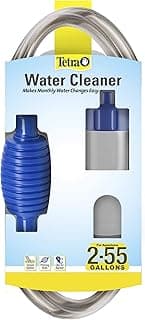
Self-priming siphons use pump bulb or check valve—squeeze bulb several times or pump tube up and down in water starting flow without mouth contact. These designs range from elegant solutions working reliably to cheap mechanisms requiring excessive pumping or failing frequently creating frustration when simple task becomes complicated struggle. Quality self-priming proves worth modest premium over mouth-start designs creating sustainable maintenance experience.
Gravel tubes vary in diameter and rigidity—wider tubes move through substrate cleaning faster but require more effort pushing through packed gravel and remove more water per section cleaned. Narrower tubes prove gentler for delicate setups but require more passes covering same area. Rigid tubes maintain shape in substrate but prove awkward storing and transporting, while flexible tubes collapse if sucked too hard creating flow interruption.
The best gravel vacuum balances these factors for your specific situation—tank size, substrate type, and personal preference around effort versus speed determining optimal tube diameter and rigidity. Universal "best" doesn't exist when varied aquarium setups create different optimization priorities requiring different compromises making one design ideal for some applications while problematic for others.
Battery-Powered and Electric Options: Worth the Premium?
Battery vacuums add mechanical agitation—motorized impeller disturbing substrate and creating suction beyond gravity flow alone. These prove valuable for extremely dirty tanks, heavily-stocked systems generating excessive waste, or users with physical limitations making manual siphoning difficult. However, they introduce complexity, require charging or batteries, and create failure points manual siphons avoid through mechanical simplicity.
Some designs recirculate water—filtering out waste and returning clean water to tank eliminating bucket waste disposal. This proves appealing avoiding water change simultaneously but reduces nitrogen compound removal water changes provide beyond just waste extraction. Using these exclusively risks elevated nitrates requiring eventual partial water changes anyway, making them supplement to rather than replacement for traditional water change approach.
Premium electric systems approach professional aquarium maintenance equipment—sophisticated filtration, powerful motors, and comprehensive cleaning capability justifying $150-300 investment for serious multi-tank hobbyists. However, casual single-tank owners find these proving overkill funding capability exceeding their needs when $20 manual siphon proves entirely adequate for weekly 20-gallon maintenance representing majority of home aquarium situations.
For gift contexts, manual siphons prove safer recommendation unless recipient explicitly desires or needs motorized capability—the reliability, simplicity, and adequate performance manual designs deliver serve most aquarists well without premium expense or operational complexity recipients might not appreciate despite giver's intention providing upgraded equipment.
Tank Size and Vacuum Capability Matching
Small tanks under 20 gallons need short hoses and small-diameter tubes—standard equipment designed for 30-50 gallon tanks proves awkwardly large for 10-gallon desktop aquariums where compact tools enable maneuvering in tight spaces without excessive water removal during brief cleaning sessions. The siphon flow rate must match tank volume enabling adequate cleaning without removing too much water requiring immediate refilling.
Medium tanks 20-50 gallons work with standard equipment—typical 5/8" diameter gravel tubes and 6-foot hoses enabling comfortable cleaning from tank to floor-positioned bucket. This represents most common home aquarium range where generic equipment serves adequately without requiring sizing consideration matching tool to application. The broad compatibility makes equipment gifts safe for recipients with typical tanks.
Large tanks 75+ gallons benefit from wider tubes and longer hoses—the increased volume demands faster cleaning avoiding excessive time commitment while deeper dimensions require longer reach accessing all substrate areas from above. However, wider tubes create proportionally faster water removal requiring attention preventing removing too much water through enthusiastic cleaning before realizing 25% change already occurred.
Very tall tanks create unique challenges—standard 6-foot hose might barely reach from surface to floor for siphon operation when tank sits on 30" stand. The marginal gravity differential reduces flow rate making cleaning tediously slow. These situations require longer hoses or alternative approaches like shorter drops to elevated bucket positions accepting reduced flow speed versus fighting inadequate height differential standard setups assume existing.
The Weekly Maintenance Reality
Substrate vacuuming should happen during water changes—combining both tasks into single maintenance session rather than treating as separate chores requiring individual motivation and time commitment. The siphon naturally removes water while cleaning, making water change effortless byproduct of necessary substrate maintenance rather than additional separate task requiring distinct effort beyond cleaning substrate thoroughly.
Most tanks need 25-30% weekly water changes—this volume enables adequate substrate cleaning without excessive water replacement creating temperature or chemistry fluctuations fish find stressful. Vacuuming systematically covers different tank sections each week ensures complete substrate coverage monthly without removing too much water single session attempting cleaning entire bottom simultaneously.
However, many aquarists defer maintenance—life gets busy, the task feels tedious, and fish seem fine creating false confidence everything's okay despite invisible contamination accumulating silently. The equipment sitting unused because motivation never strikes proves worthless regardless of quality—gift value depends entirely on recipient actually using equipment regularly versus just owning impressive gear collecting dust alongside neglected tank.
The best aquarium equipment isn't most sophisticated—it's whatever the aquarist actually uses consistently rather than impressive gear enabling better maintenance they never perform because complexity or inconvenience prevents establishing sustainable routine.
Common Mistakes Destroying Beneficial Bacteria
Over-vacuuming disturbs beneficial bacteria colonies—removing all waste from substrate proves theoretically desirable but practically problematic when aggressive cleaning kills bacteria providing biological filtration. The goal involves removing gross waste accumulation without sterile substrate achieving impossible and counterproductive cleanliness standard harming rather than helping tank biology.
Vacuuming during filter cleaning proves double-disruption—beneficial bacteria colonize both substrate and filter media. Cleaning both simultaneously temporarily crashes biological filtration creating ammonia spike potentially harming fish. Stagger maintenance with filter cleaning one week and substrate vacuuming the next, allowing bacterial populations recovering between interventions rather than simultaneous disruption overwhelming system capacity.
Using chlorinated tap water directly on substrate during refills shocks bacteria—chlorine and chloramine proving toxic to beneficial bacteria means adding untreated water during refills potentially damages colonies you're attempting preserving through careful vacuuming technique. Always treat replacement water with dechlorinator before adding to tank protecting bacteria and fish simultaneously from chemical exposure.
Rinsing gravel under tap water destroys colonization—some aquarists remove gravel for "deep cleaning" under faucet killing beneficial bacteria and requiring tank cycling again from scratch. This extreme approach proves unnecessary and harmful—proper regular vacuuming prevents contamination levels ever necessitating complete substrate removal and rinsing destroying bacterial colonies months establishing properly.
Special Considerations for Planted Tanks
Rooted plants complicate substrate vacuuming—aggressive cleaning risks disturbing roots, removing nutrient-rich substrate around root zones, or damaging delicate plant structures. Planted tank maintenance requires gentler approach, specialized tools, or accepting some substrate areas remaining uncleaned where plants grow versus bare substrate allowing thorough cleaning throughout.
Nutrient substrates prove expensive avoiding accidental removal—aquasoils and specialty planted substrates costing $30-60 for small bag make accidentally siphoning substrate into waste bucket proving costly mistake. Extra care and appropriate gentle equipment prevents removing substrate you paid premium placing carefully versus cheap inert gravel easily replaced if accidentally removed during overenthusiastic cleaning.
Some aquarists skip substrate vacuuming entirely in heavily planted tanks—relying on plants consuming nutrients waste produces and substrate-dwelling organisms breaking down organic matter naturally. This approach works when plant density and growth rate handle nutrient load, but risks problems if plant health declines reducing nutrient uptake allowing accumulation building despite previous balance maintaining adequate water quality.
Gift Timing Supporting Aquarium Success
With new tank setup: Including proper maintenance equipment with new aquarium gift ensures recipient has everything needed for success from start rather than discovering weeks later they're missing essential maintenance tools after problems develop from inadequate cleaning during learning period when everything seems fine until suddenly it isn't anymore.
After water quality problems: When friends mention struggling with cloudy water, algae, or sick fish despite "doing everything right" according to limited knowledge. Recognition that maintenance equipment proves part of solution to problems they're experiencing demonstrates diagnostic support beyond just sympathy about challenges fish-keeping presents beginners.
Tank upgrade from small to larger: Someone moving from 10-gallon starter to 40+ gallon display deserves equipment matching new scale. Their basic supplies proving adequate for small tank become inadequate for larger volume—timing equipment upgrade to tank expansion supports their growing investment in hobby they're demonstrating commitment to through size increase.
For serious hobbyists with multiple tanks: Quality efficient equipment reducing per-tank maintenance time proves valuable when multiplied across several systems. Premium investment makes sense for dedicated aquarists maintaining significant livestock and aquascaping investments justifying equipment expense through protected value and time efficiency serious hobby demands. For related pet care, reference practical gifts supporting various animal care hobbies.
Budget Realities Across Equipment Tiers
Basic siphons cost $10-20—adequate capability for most applications despite requiring mouth-start or basic self-priming proving occasionally frustrating. These serve budget-conscious beginners or casual hobbyists adequately without premium investment for features providing marginal improvement over functional basics most people find entirely sufficient for regular maintenance needs.
Mid-range options $25-45 add reliable self-priming, better build quality, and sometimes flow control—features improving user experience enough justifying modest premium for hobbyists maintaining tanks regularly where improved ergonomics and reliability create value through sustained use over years. The best aquarium gravel vacuum typically occupies this tier balancing capability with accessibility.
Premium manual systems $50-80 offer exceptional construction, perfect priming reliability, and thoughtful design details—these prove overkill for casual hobbyists but appropriate for serious aquarists who appreciate quality equipment and find joy in premium tools serving hobby they're passionate about beyond just functional necessity.
Battery/electric models $60-200+ appeal to specific needs—physical limitations, multiple large tanks, or extremely dirty systems justifying powered assistance. However, most aquarists find manual siphons proving entirely adequate making motorized capability unnecessary expense funding features they'll rarely utilize enough justifying price premium over simpler equipment.
The Technique Learning Curve
Starting siphon flow frustrates beginners—techniques ranging from mouth-sucking (unpleasant) to pump-priming (sometimes tricky) to just submerging entire hose eliminating air pockets (messy) creating learning curve before achieving consistent reliable flow starts. Quality self-priming equipment reduces frustration but perfect technique still requires practice achieving smooth operation veterans perform without thought.
Knowing when to stop cleaning each section proves skill—disturbing substrate until water runs clear seems logical but proves excessive removing beneficial bacteria alongside waste. The goal involves removing visible debris and stirring substrate releasing trapped waste into flow, then moving on rather than achieving impossible sterile cleanliness that harms more than helps biological system health.
Controlling flow rate prevents over-draining—enthusiastic cleaning removing too much water before adequately covering substrate requires stopping mid-cleaning to refill, disrupting workflow and creating inefficiency. Learning to gauge removal rate against tank volume enables completing substrate cleaning simultaneously reaching target water change percentage without excess removal or inadequate cleaning from premature stopping.
Avoiding fish and plant damage requires awareness—some fish investigate siphon tube potentially getting sucked into intake, while careless tube movement can uproot plants or damage decorations. Developing spatial awareness and deliberate movements prevents accidental damage to organisms and aquascaping you're attempting protecting through proper maintenance rather than harming through clumsy cleaning technique.
When to Skip Substrate Vacuuming Temporarily
Newly-set tanks need bacterial establishment time—vacuuming heavily during first month risks removing bacteria attempting colonizing substrate before stable populations establish. Light cleaning removing visible waste proves acceptable but aggressive thorough vacuuming should wait until biological filter establishes, typically 4-6 weeks after initial cycling completing and fish addition occurring.
After medication treatment avoid immediate vacuuming—some medications bind to substrate requiring time breaking down before removal, while bacterial populations might be temporarily stressed from medication exposure. Wait 1-2 weeks after treatment completion allowing system stabilizing before resuming normal aggressive substrate maintenance potentially stressing recovering bacterial colonies.
During fish breeding substrate cleaning disrupts spawning behavior—some species depositing eggs in substrate or using gravel for nest building find vacuuming disruptive preventing successful reproduction. If breeding is intentional goal, adjust maintenance schedule around reproductive cycles accepting slightly elevated waste levels temporarily serving reproductive success worth modest temporary water quality compromise.
Alternative and Complementary Approaches
Substrate-dwelling organisms provide natural cleaning—Malaysian trumpet snails, certain catfish species, and various scavengers consuming detritus and stirring substrate naturally aerating and cleaning without mechanical intervention. Building ecosystem with appropriate cleanup crew supplements mechanical cleaning potentially reducing frequency required while maintaining adequate waste management through biological rather than purely mechanical means.
Undergravel filters create flow through substrate—water pulling down through gravel carries waste into filter system removing it from substrate layers. However, this technology proves dated with modern filtration options proving more effective, and undergravel filters create maintenance challenges when cleaning becomes necessary eventually despite supposed "maintenance-free" operation marketing suggests possible.
Bare-bottom tanks eliminate substrate cleaning entirely—no substrate means no waste accumulation in gravel requiring removal. However, bare-bottom aesthetics don't suit most display aquariums and removes beneficial bacteria colonization surface. This approach suits breeding or hospital tanks prioritizing cleanliness and simplicity over aesthetics, but proves inappropriate for display tanks where substrate contributes visual appeal and biological function.
Reading Reviews for Aquarium-Specific Performance
Filter reviews from appropriate tank size—20-gallon owners praising equipment might describe problems 75-gallon owners encounter because tool proving adequate for small volume but inadequate for large. Match reviewer's tank size and setup to yours ensuring feedback relevance rather than accepting generic positive reviews possibly from incomparable situations.
Self-priming reliability proves most-mentioned concern—reviews extensively discussing difficulty starting flow or pump mechanism failing indicate design problems affecting daily use more than specifications suggest. Equipment failing at core functionality proves worthless regardless of other features when you can't reliably start siphon for actual cleaning session.
Durability for repeated use matters—some equipment designed for occasional home use fails under weekly use serious hobbyists perform. Reviews from established aquarists maintaining regular maintenance schedules reveal whether equipment survives sustained use versus just functioning adequately for casual occasional deployment less-committed hobbyists perform irregularly.
When Professional Service Beats DIY Maintenance
Extremely large tanks exceeding home equipment capability—200+ gallon systems requiring professional-grade equipment and expertise performing thorough maintenance safely and efficiently. The scale creates challenges DIY equipment struggles addressing adequately making professional service proving appropriate despite expense when tank investment and livestock value justify ensuring proper care.
Severely neglected tanks requiring restoration—months or years of improper maintenance creating contamination beyond routine cleaning's ability to address. Professional aquarium maintenance services have powerful equipment and experience tackling neglect projects DIY attempts risk worsening through disturbing but not adequately removing contamination disturbing creates worse problems than leaving undisturbed would have caused.
High-value specialty setups deserving expert care—reef tanks with thousands invested in coral and rare fish, or prize discus breeding operations where livestock value exceeds most people's car worth. These situations justify professional maintenance ensuring proper care protecting investment through expertise DIY approaches can't match regardless of equipment quality or owner's good intentions.
The Complete Aquarium Maintenance System
Substrate vacuuming represents one component within comprehensive maintenance—water testing, filter cleaning, equipment maintenance, and feeding management all contributing to successful aquarium keeping. For gift contexts involving complete support, coordinating multiple complementary items proves more valuable than single equipment piece in isolation serving partial needs while other essential tasks lack proper tools or supplies enabling complete care routine.
However, avoid overwhelming recipients with unsolicited comprehensive systems—single thoughtful relevant item proves more appropriate than presuming complete maintenance revolution they need implementing. Gift single most-impactful tool addressing clear need rather than entire ecosystem of equipment assuming they need complete maintenance overhaul your comprehensive approach provides unbidden.
Success Metrics for Aquarium Vacuum Gifts
Success involves clearer water and healthier fish weeks after gifting—not just equipment sitting unused but actual maintenance improvement evident through observable tank condition enhancement suggesting recipient actually using equipment regularly rather than just owning impressive gear they appreciated receiving but never deployed operationally.
Positive indicators: unprompted mentions about easier maintenance, visible water clarity improvement, or reports about fish health improving suggesting better water quality from improved substrate cleaning previously neglected. Negative indicators: equipment stored unused, continued water quality complaints despite equipment availability, or comments about process proving more complicated than expected discouraging use despite good intentions.
For uncertain situations emphasizing return flexibility proves important—equipment proving incompatible with recipient's specific setup or maintenance style they discover only through attempted use. Flexibility enables honest assessment and exchange without guilt about returning thoughtful gift proving inappropriate for reasons neither giver nor recipient could have anticipated without actual usage trial revealing incompatibilities.
Gifts are for making an impression, not just for the sake of it.
GiftsPick - Meticulous, Kind, Objective.