
The Physics of Precision: Why the Release Aid Matters
In the realm of archery, the moment of "release" is where most variables for failure occur. Traditional finger shooting introduces horizontal oscillation to the string, often referred to as the "archer's paradox." A high-quality mechanical release aid utilizes a metal jaw or hook to hold the string, ensuring that the departure of the arrow is perfectly linear. This technological shift is why a professional release is often cited among the best gift ideas for him when he is looking to transition from a casual hobbyist to a serious marksman. Without a consistent release mechanism, even the most expensive best compound bow for hunting cannot achieve its theoretical accuracy.
A precision release aid is the critical interface between the archer's intent and the arrow's flight, transforming a mechanical action into a consistent, repeatable victory.
Analyzing Release Architectures: Finding the Right Fit
Not all releases are created equal, and the "best" one depends heavily on the recipient's shooting style and physical comfort. Engineering a release involves balancing trigger sensitivity with safety. For example, a hair-trigger might be preferred for target practice but can be a liability in a cold-weather hunting scenario where tactile feedback is reduced by numbing temperatures. When you are learning How to come up with good gift ideas? for a hunter, you must first categorize their preference between wrist-strap and handheld models.
| Release Category | Mechanical Mechanism | Primary User Benefit | Ideal Environment |
|---|---|---|---|
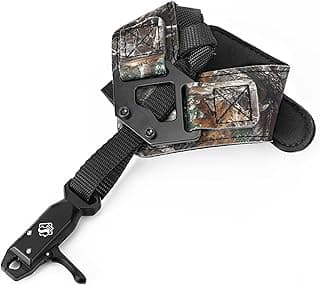
| Index Finger (Wrist) | Single or Dual Sear Trigger | Familiarity; trigger pull is similar to a firearm. | General hunting and heavy-draw weight bows. |
| Thumb Button (Handheld) | Internal Spring-Loaded Sears | Increased anchor point consistency and multi-finger leverage. | Technical hunters and 3D archery competitors. |
| Hinge/Back Tension | Cocking Moon/Sear Rotation | Eliminates "target panic" by utilizing a surprise release. | Professional target shooting and advanced training. |
The Index Finger Release: The Standard for Reliability
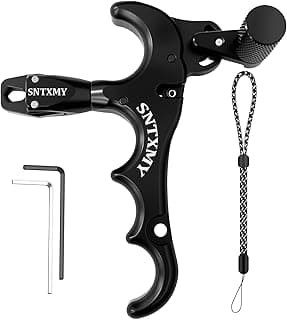
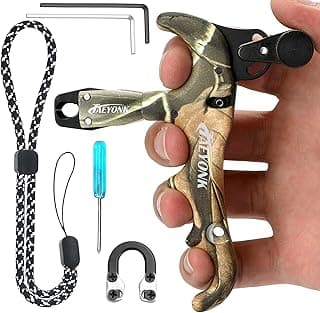
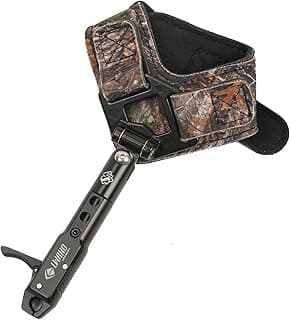
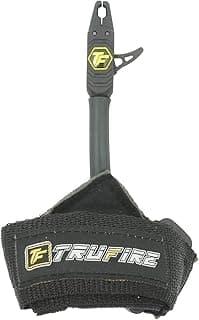
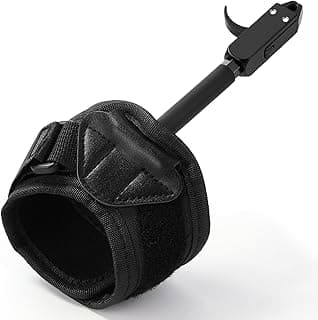
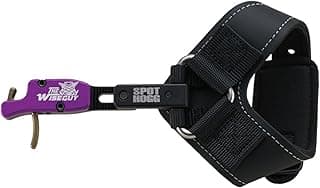
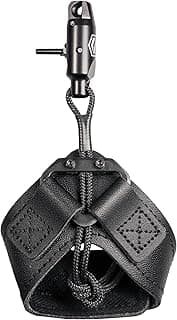
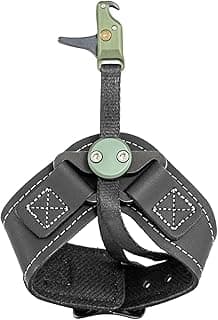
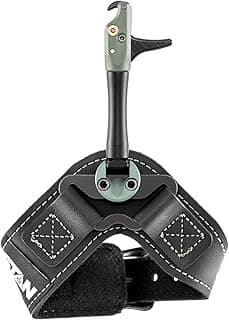
The index finger release is the most common gift for hunters because it secures to the wrist via a leather or nylon strap. This design allows the archer to use their entire arm to pull the bow's weight, rather than just their fingers. However, a "budget" index release often suffers from trigger creep—a mushy feeling before the shot breaks. High-end models utilize hardened stainless steel sears that offer a crisp "glass-break" feel. If you are looking for best+gifts+for+xmas, an adjustable-length index release is a safe bet, as it can be tailored to various hand sizes.
The Thumb Button Release: The Choice of the Smart Marksman
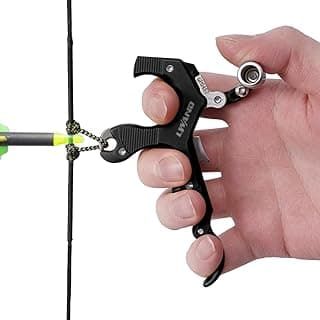
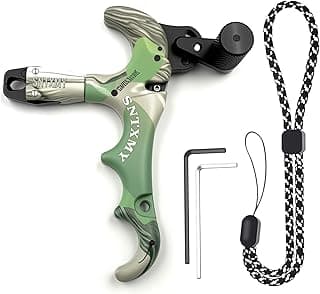
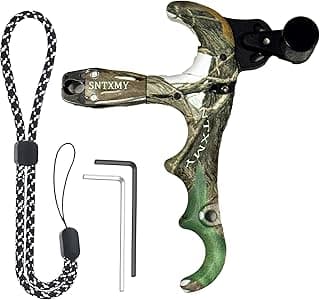
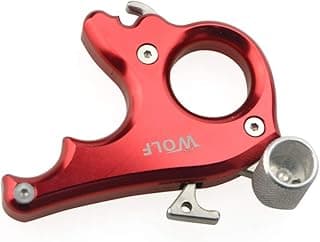
Handheld thumb releases are often favored by those who enjoy the technical side of the sport. These devices allow for a more natural hand rotation at full draw, which can lead to better facial alignment and more consistent shots. When deciding What to gift a smart person? who appreciates mechanical intricacy, a thumb release with adjustable trigger tension and travel is unparalleled. These units often feature aerospace-grade aluminum bodies and internal components that are polished to a mirror finish to reduce friction.
The BIFL Philosophy: Durability and Maintenance in the Field
Archery gear is subjected to harsh conditions: rain, snow, dust, and extreme tension. A Buy It For Life (BIFL) release aid must be constructed with non-corrosive materials. While many manufacturers use plastic components in their entry-level triggers to save costs, these are prone to snapping or losing their calibration over time. An elite release will utilize a 440C stainless steel internal sear system. These hardened components resist the "peening" or wear that occurs over thousands of shots.
Furthermore, consider the "hidden costs" of operation. While a release itself doesn't have a battery, the straps on wrist models are a point of failure. Look for models that offer replaceable straps or utilize a "Boa" closure system for micro-adjustability and longevity. For those who already own high-quality optics like the best binos for hunting, adding a high-tier release completes the professional gear set required for consistent success.
In the world of technical hunting gear, durability isn't just a feature; it's the baseline requirement for equipment that must perform in sub-zero temperatures and high-humidity environments.
Multi-Dimensional User Empathy: Beyond the Standard Archer
When selecting a gift, consider the physical limitations of the recipient. For instance, an elderly hunter with arthritis might struggle with a traditional index finger trigger that requires a sharp, localized contraction of a single joint. In such cases, a handheld release that allows the use of three or four fingers to share the load might be more ergonomic. Conversely, a hunter who specializes in high-mountain treks will prioritize a lightweight, minimalist design that can be clipped to their best bow and arrow for hunting and left there, ensuring it is never lost during a stalk.
Environmental Considerations
If the recipient hunts in extreme cold, the release must be operable while wearing gloves. Many thumb button releases have small, intricate buttons that are difficult to feel through thick Thinsulate. In contrast, an index finger release with a large, textured trigger is much more practical for late-season hunts. This level of detail is what separates a thoughtful, professional gift from a generic purchase.
Direct Answer Framework: Frequently Asked Questions
Is a more expensive archery release actually worth the investment?
Yes, higher-priced releases are worth it because they utilize precision-ground stainless steel sears rather than stamped metal parts, which eliminates trigger "creep" and ensures a consistent shot every time. Cheaper releases often have inconsistent trigger pull weights, which can lead to missed shots and dangerous accidental discharges if the internal springs fail.
Can a hunter use a target-style hinge release for hunting?
No, a pure hinge or back-tension release is generally not recommended for most hunting situations because it lacks a safety trigger and can be difficult to execute under the high-stress, fast-moving conditions of live game hunting. While they are excellent for training, a thumb-button or index-finger release with a mechanical safety is the standard for field use.
How often should a mechanical release be serviced?
You should perform basic maintenance, such as clearing dust and checking for loose set-screws, every six months or after a particularly wet hunt. However, modern releases with "dry" sear technology should never be lubricated with heavy oils or grease, as these can attract grit and cause the mechanism to seize in cold weather; if necessary, use only a light, wax-based lubricant recommended by the manufacturer.
In conclusion, finding the best archery hunting release involves a deep dive into the mechanical preferences and physical needs of the archer. By prioritizing sear quality, material durability, and environmental suitability, you ensure that your gift provides not just a tool, but a measurable improvement in the recipient's performance and confidence in the field.