
The Psychology of the Self-Gift in Motorsports
There is a unique satisfaction in purchasing your own racing gear. Unlike a generic gift, a helmet is a highly technical tool that requires a specific fit and meets rigorous safety standards. Choosing to invest in the best autocross helmet for your own use is an act of self-care for the speed-obsessed. It represents the transition from a casual observer to a serious participant. Many drivers find that putting on a fresh, well-fitted helmet creates a "mental trigger" that signals it is time to focus. It is one of those best birthday gift for men who value experiences over objects, providing them with the literal and figurative headspace to compete.
Gifting tech and safety gear is about more than specifications; it is about upgrading the recipient's window to the digital and physical world, ensuring every frame and every turn is a testament to quality.
When we look at what type of gift do men like most, items that enhance a hobby or passion always rank highly. A helmet isn't just "stuff"—it’s a key that unlocks access to tracks and events. Without a helmet that meets current safety regulations, you simply cannot play. Therefore, the best autocross helmet is a gift of opportunity.
Understanding Safety Ratings: Snell SA vs. M
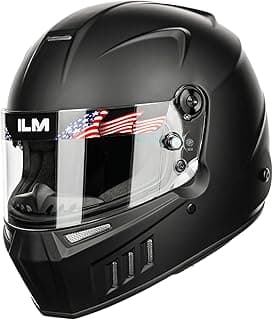
The technical heart of any helmet discussion revolves around safety ratings. For autocross, the gold standard is the Snell Memorial Foundation rating. You will typically see two types: SA (Special Application) and M (Motorcycle). While many local autocross clubs allow M-rated helmets, serious competitors should always opt for the SA rating. SA-rated helmets undergo additional testing, including fire resistance and impact tests against a roll bar. If you are also a fan of track days or wheel-to-wheel racing, an SA-rated helmet is often a requirement, making it a more versatile and future-proof investment.
It is important to check your local club's rulebook, but generally, the Snell SA2020 is the current standard to look for. Avoid older ratings like SA2010, as they are likely expired or near expiration for competitive use. When considering the best autocross helmet, durability and regulatory compliance are just as important as the aesthetics. If the recipient wears prescription lenses, you might also want to look into the best motorcycle helmet for glasses to see how different brands accommodate frames within the padding.
Full-Face vs. Open-Face: The Autocross Debate
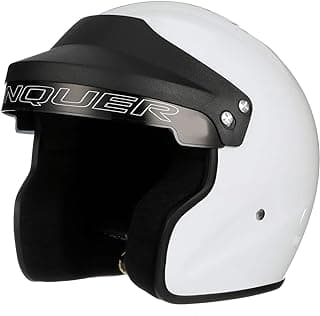
In the world of autocross, you will see a mix of full-face and open-face helmets. Each has its distinct advantages, and the choice often comes down to personal preference and the specific environment of the car.
The Case for Open-Face Helmets
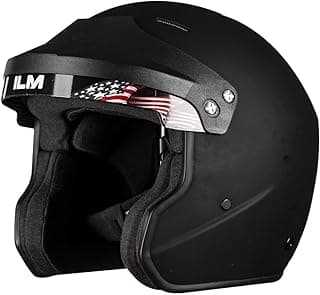
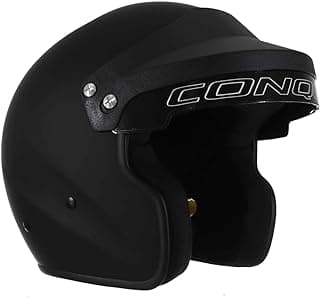
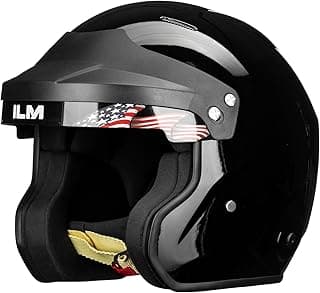
Open-face helmets are popular in autocross for several reasons. First, they offer superior peripheral vision, which is crucial when you are trying to spot the next "gate" in a complex sea of orange cones. Second, they provide better ventilation. Autocross events often take place in large, hot parking lots where drivers spend a lot of time sitting in grid. An open-face helmet keeps the driver cooler and makes it easier to communicate with passengers or instructors without removing the gear. This makes them excellent best gift ideas for gf or newcomers who might feel claustrophobic in a closed-face model.
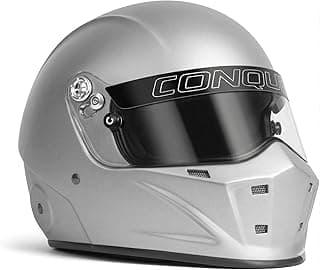
The Power of the Full-Face Helmet
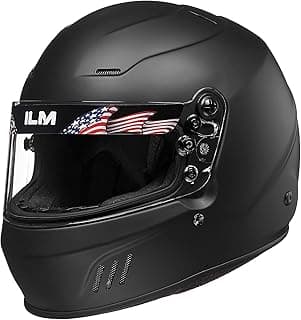
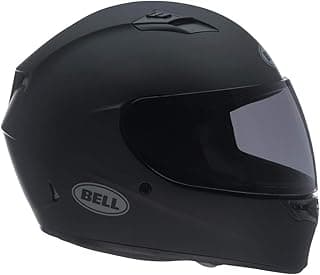
Full-face helmets offer the maximum level of protection. While the risk of a fire or a major collision is lower in autocross than on a high-speed road course, it is never zero. A full-face helmet protects the jaw and eyes from debris. Furthermore, for those who drive open-top cars like Miatas or Corvettes, a full-face helmet with a visor is almost mandatory to protect against wind and flying rubber. If you choose this route, pairing it with a best sunglasses brand for man that offers thin temples can help maintain comfort during long sessions.
Precision in autocross starts with the driver's comfort; a helmet that disappears on your head allows your instincts to take over where the asphalt meets the tire.
Key Features of the Best Autocross Helmet
Beyond safety ratings and styles, several features separate the top-tier helmets from the entry-level options. When evaluating a gift—for yourself or another—keep these factors in mind:
- Weight: Carbon fiber and composite shells are significantly lighter than traditional fiberglass. A lighter helmet reduces neck strain during high-G cornering.
- Aerodynamics: Even at autocross speeds (usually under 70 mph), aerodynamics matter, especially in open-cockpit cars. Look for "duckbills" or spoilers that help stabilize the head.
- Interior Lining: Removable and washable fire-retardant liners are a godsend. Racing is a sweaty business, and being able to clean the interior ensures your "best autocross helmet" stays fresh for years.
- Eye Port Size: A wider eye port is always better for autocross to ensure you don't lose sight of the cones in your periphery.
Finding the Perfect Fit: A Critical Step
A helmet that doesn't fit correctly is a helmet that cannot do its job. If you are buying this as a gift, it is highly recommended to involve the recipient in the sizing process. Most manufacturers provide sizing charts based on the circumference of the head just above the eyebrows. However, head shape (round, oval, or long oval) varies by brand. A helmet should feel "snug" but not produce "hot spots" or headaches. It should move with your skin when you wiggle it, rather than sliding over your hair.
For those looking for the best gift ideas for a woman in racing, be aware that some brands offer smaller shell sizes or interchangeable cheek pads to help achieve a perfect fit for narrower faces. The best autocross helmet is the one that feels like a natural extension of your body.
Longevity and Care
Once you have invested in the best autocross helmet, taking care of it is essential. Always store the helmet in a soft bag to prevent scratches on the shell or visor. Avoid leaving it in a hot car for extended periods, as extreme heat can degrade the protective EPS foam inside. Most experts recommend replacing a racing helmet every five to ten years, even if it hasn't been in an accident, simply because the materials break down over time and safety standards evolve.
In conclusion, choosing a helmet is a deeply personal journey that blends technical requirements with the emotional joy of the sport. Whether it is a gift for a loved one or a well-deserved upgrade for your own racing season, the right headgear provides the confidence needed to shave those final tenths off your lap time. It is a symbol of protection, a tool for performance, and a badge of honor for anyone who spends their weekends chasing the perfect line.
Gifts are for making an impression, not just for the sake of it. GiftsPick - Meticulous, Kind, Objective.