


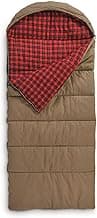
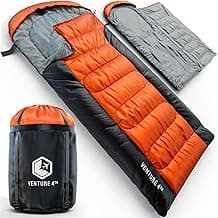
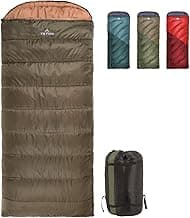
The Physics of Warmth: Beyond Simple Temperature Ratings
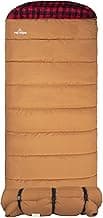
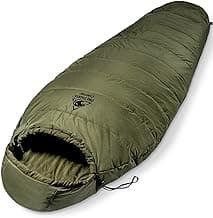
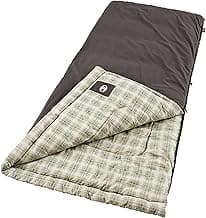
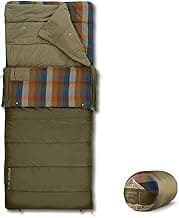
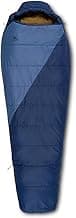
Temperature ratings provided by manufacturers are notoriously unreliable unless they are certified under ISO 23537 or EN 13537 standards. These ratings assume the user is wearing a thermal base layer and utilizing a high-R-value sleeping pad. A bag marketed as a "0-degree" model often only provides a "Lower Limit" of comfort at that temperature, which may still result in a shivering, sleepless night. To find the best backcountry hunting sleeping bag, one must look at the fill power and fill weight rather than the marketing fluff on the tag.
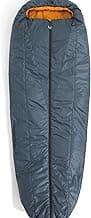
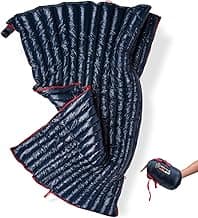
Insulation generally falls into two categories: high-loft goose down and advanced synthetics. Down provides the highest warmth-to-weight ratio, yet its performance collapses when saturated with moisture. Conversely, synthetic fills maintain a percentage of their loft when wet but suffer from significant weight penalties and shorter lifespans due to fiber breakdown. For the backcountry user, a "Hydrophobic" treated down is the current gold standard, offering the packability of natural down with a chemical shield against condensation and sweat.
Gifting tech is about more than specifications; it is about upgrading the recipient's window to the digital world, ensuring every frame is a testament to quality.
Multi-Dimensional Empathy: Tailoring the Bag to the Hunter
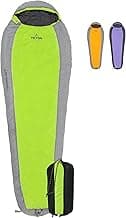
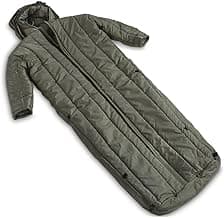
A standard mummy-style bag may be efficient for heat retention, but it is often a source of frustration for diverse body types. When considering best gifts to get boyfriend, an analyst must consider his specific physical needs and sleep habits. A hunter who is a "side-sleeper" will frequently compress the insulation against the bag's shell, creating cold spots. Similarly, an individual with a larger frame requires a bag with a wider shoulder girth to prevent the "claustrophobia effect" that leads to restless nights.
For the elderly or those with joint issues, the ease of entry and exit is paramount. Center-zip designs or bags with oversized pull-tabs are essential. These mechanical details allow for quick ventilation if the temperature rises, preventing the moisture buildup that leads to post-sweat chilling. Identifying What are the best-rated gifts for men? in the hunting community often leads back to these ergonomic considerations that prioritize real-world comfort over theoretical weight savings.
Technical Variable Comparison
To assist in the decision-making process, the following table breaks down the technical differences between various insulation types and bag architectures used in modern backcountry systems.
| Feature | Premium Goose Down (850+ FP) | Continuous Filament Synthetic | Hybrid Insulation Systems |
|---|---|---|---|
| Warmth-to-Weight | Excellent; Minimal bulk for high warmth. | Poor; Heavy and difficult to compress. | Moderate; Balances bulk and weight. |
| Moisture Resistance | Low (Requires DWR treatment). | High; Retains loft when wet. | Variable; Strategic placement of fibers. |
| Lifespan (BIFL) | 10-15+ years if washed correctly. | 3-5 years; Fibers lose "spring" over time. | 7-10 years. |
| Maintenance Needs | High; Requires specific down soap. | Low; Machine washable in most cases. | Moderate. |
The "Buy It For Life" Philosophy and Hidden Costs
Modern consumerism often favors the "budget" option, but in the backcountry, a cheap bag is an expensive mistake. The principle of hidden costs is particularly relevant here. A low-cost synthetic bag will likely lose its thermal integrity after just a dozen compression cycles, forcing a replacement within a few seasons. Furthermore, budget bags often use lower-denier fabrics that are prone to tearing and utilize generic zippers that fail under tension. We recommend investing in a bag with YKK brand zippers and a ripstop nylon shell of at least 20D to ensure long-term durability.
When asking How much should you spend on a father's Day gift?, consider that a high-quality sleeping bag is a ten-year investment. It is far more economical and environmentally responsible to purchase one modular, repairable system than three disposable alternatives. Pairing a premium bag with best warm boots for men creates a comprehensive protection kit that allows the recipient to focus on the hunt rather than their discomfort.
Integration with the Total Gear System
The best backcountry hunting sleeping bag does not function in a vacuum. It must be compatible with other essential gear. For instance, a bag's hood must be shaped to accommodate a person wearing a beanie or using a lightweight camping pillow. Additionally, the exterior shell should be treated with a high-quality Durable Water Repellent (DWR) to shed the snow and sleet common in late-season hunts. For those navigating rough terrain, the sleeping system is just as vital as having the best gloves for hiking or best high dexterity winter work gloves for camp chores.
Essential Maintenance for Longevity
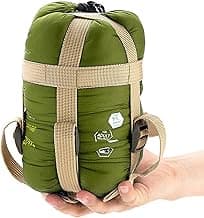
To preserve the "loft" or fluffiness of the insulation, a bag should never be stored in its compression sack. Long-term compression causes feathers to clump and synthetic fibers to snap, permanently reducing the bag's temperature rating. Always use a large, breathable cotton storage bag between trips. This simple step ensures the gift remains functional for a decade or more.
Direct Answer FAQ: Backcountry Sleep Systems
Is down better than synthetic for backcountry hunting?
Yes, provided it is treated with a hydrophobic coating; down offers superior packability and weight-to-warmth ratios for hunters who must carry their gear over long distances. Synthetic is only preferred in environments with constant, high-saturation moisture where drying gear is impossible.
What is the most important spec to look for in a hunting bag?
The "Comfort Rating" (not the lower limit) and the shoulder girth are the two most critical specifications for ensuring the user can actually sleep through a cold night without restriction.
Do I need a waterproof sleeping bag?
No, a fully waterproof shell often traps perspiration, leading to damp insulation from the inside out; a highly water-resistant DWR shell paired with a breathable fabric is the more effective solution for mountain environments.
How do I clean a professional hunting sleeping bag?
Avoid dry cleaning at all costs; use a front-loading washing machine on a delicate cycle with a specific down or technical fabric cleaner, followed by a long drying cycle on low heat with tennis balls to restore loft.
In conclusion, gifting the best backcountry hunting sleeping bag is an act of providing safety and restoration. By focusing on the technical variables of fill power, shell durability, and ergonomic design, you ensure that the recipient is prepared for the harshest conditions the wilderness can offer.