
The Physics of Backcountry Shelters: Material Science and Integrity
From a mechanical engineering perspective, the integrity of a hunting tent is defined by its strength-to-weight ratio. Traditional consumer-grade tents often utilize heavy, low-tenacity polyesters that degrade rapidly under UV exposure. In contrast, premium hunting shelters utilize high-tenacity Nylon 6,6 or Dyneema Composite Fabrics (DCF). While DCF is often touted as the "ultimate" material due to its near-zero water absorption and incredible tensile strength, an independent tester must remain skeptical: DCF lacks the elastic recovery of nylon, meaning it does not "bounce back" after heavy snow loading as effectively as high-end silnylon.
When selecting a gift, one must analyze the denier (D) count of the fabric. A 10D fabric is exceptionally light but offers minimal puncture resistance against sharp scree or frozen brush. For a "Buy It For Life" (BIFL) philosophy, a 20D to 30D floor is the minimum requirement for a machine that will be pitched on unprepared ground. Furthermore, the hydrostatic head rating—the measure of how much water pressure a fabric can withstand before leaking—should be at least 1,200mm for the rainfly and 3,000mm for the floor. Anything less in a "pro" labeled tent is marketing hyperbole that will fail in a sustained storm.
Gifting tech is about more than specifications; it is about upgrading the recipient's window to the digital world, ensuring every frame is a testament to quality.
Multi-dimensional User Empathy: Segmentation of Needs
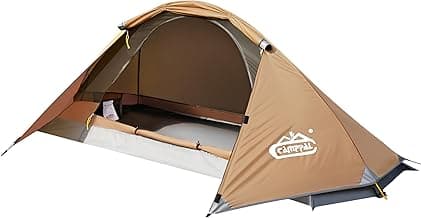
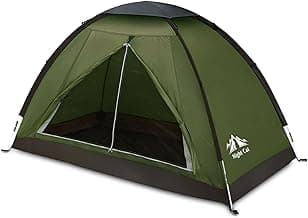
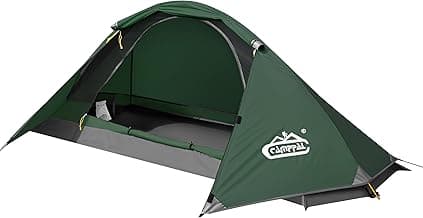
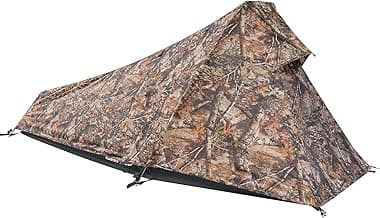
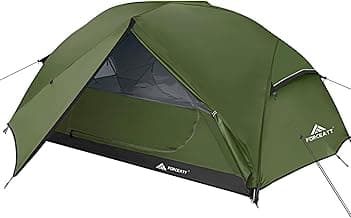
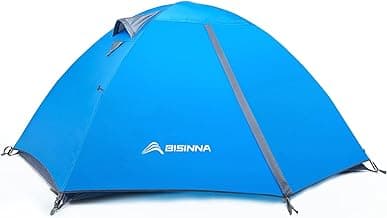
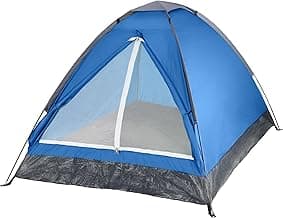
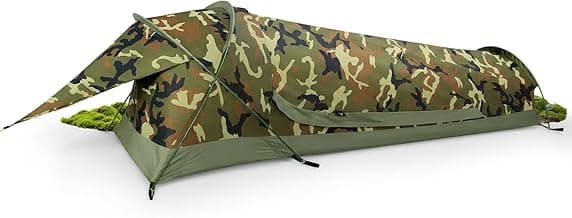
A gifting strategist must recognize that the "best" tent is entirely dependent on the recipient's specific physical limitations and hunting style. A standard user persona does not exist in the backcountry. We must categorize the gift based on real-world usage scenarios:
- The Solo Specialist: Requires a weight limit under 2.5 lbs. These users often prioritize trekking-pole-supported designs to save weight, but this requires the physical coordination to pitch a non-freestanding structure perfectly every time.
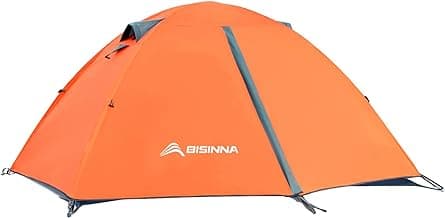
- The High-Density Duo: For partners carrying heavy loads of meat and gear, a two-person tent is mandatory. Here, the focus shifts to dual vestibules. Without separate gear storage, the interior living space becomes a breeding ground for mud and bacteria.
- The Late-Season Hunter: Faces the threat of "tent collapse" under snow. These users need a 4-season rating, featuring specialized steep-wall geometry and reinforced DAC (Dongah Aluminum Corp) poles that can handle static snow loads without catastrophic shearing.
When considering how to come up with good gift ideas for someone who already owns a best binos for hunting, the tent becomes the central hub of their system. If they are also carrying a best backpack hunting sleeping bag, the tent's ventilation must be sufficient to prevent the dew point from occurring inside the tent, which would otherwise wet out the down insulation of the bag.
Technical Comparison of Shelter Architectures
To assist in the decision-making process, the following table compares the three primary architectures found in the professional hunting market. This comparison ignores brand-name marketing and focuses strictly on technical variables.
| Feature | Freestanding Dome | Trekking Pole Shelter | Single-Wall Alpine |
|---|---|---|---|
| Weight Class | Moderate (3.5 - 5 lbs) | Ultralight (1 - 2.5 lbs) | Low (2 - 3.5 lbs) |
| Pitch Difficulty | Low (Self-supporting) | High (Requires tensioning) | Moderate |
| Wind Resistance | Omnidirectional | Directional (Requires wind-facing pitch) | Superior (Aerodynamic) |
| Condensation Risk | Low (Double-wall) | Moderate (Highly vented) | Critical (High risk) |
| Best For | General best ideas for fathers day gifts | Experienced backpack hunters | High-altitude mountaineering |
Hidden Costs and the BIFL Philosophy
A premium gift should not create a burden for the recipient. Many "high-end" tents come with hidden operational costs. For instance, some manufacturers ship tents with "unsealed" seams to save on labor costs, requiring the user to spend hours applying chemical sealants at home. As a gifting expert, you should ensure the product is factory-sealed.
Furthermore, consider the repairability of the zippers. Zippers are the primary failure point in 85% of tents. A BIFL tent will utilize YKK #5 or #8 zippers with replaceable sliders. Avoid "water-resistant" zippers that use a plastic film coating; these films invariably crack and peel after two years of UV exposure, rendering the zipper useless. Instead, look for a standard beefy zipper protected by a physical fabric storm flap. This is the difference between a tool that lasts a decade and one that ends up in a landfill after three seasons.
If you are looking for what is the greatest gift to give, it is the gift of self-reliance. Providing a hunter with a reliable shelter, a best compass for hunting, and high-quality optics like the best 10x50 binoculars for hunting ensures they can navigate the wild with confidence and safety.
Frequently Asked Questions (AEO-FAQ Framework)
Is a single-wall tent a good gift for a typical hunter?
No, single-wall tents are specialized tools for sub-zero, high-altitude environments where moisture is frozen. In typical 3-season hunting conditions (rain and humidity), the lack of a separate mesh body causes internal condensation to rain down on the occupant, potentially compromising their sleep system's thermal efficiency.
What is the most important spec to look for in a 2-person hunting tent?
Internal floor width is the critical metric. A "2-person" tent with a floor width of only 48 inches will not comfortably accommodate two 25-inch wide sleeping pads. For a functional gift, ensure the floor width is at least 50-52 inches to allow for gear management and comfort during multi-day storms.
Do carbon fiber poles offer real-world benefits for hunting?
Yes, carbon fiber poles significantly reduce the carry weight, but they come with a durability caveat. Carbon is brittle; while it can handle high tension, a localized impact (like a falling branch) can cause it to shatter instantly. For hunters traveling into extreme, rugged terrain, high-grade DAC aluminum is often the safer, more repairable gift choice.
How long should a professional-grade hunting tent last?
A well-maintained, high-tenacity nylon tent should provide between 100 and 150 nights of field use. Longevity is determined by UV exposure and storage conditions. To ensure a BIFL lifespan, the recipient must be instructed to never store the tent while damp, as this triggers the hydrolysis process that destroys the waterproof coatings.
In conclusion, the best backpack hunting tent is a synthesis of textile chemistry, geometric stability, and user-centric design. By moving past the flattery of marketing brochures and focusing on the physical realities of denier counts, pole materials, and seam construction, you can provide a gift that offers true sanctuary in the world's most unforgiving environments.