
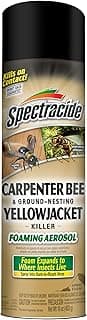
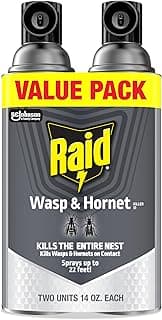
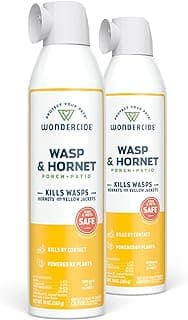
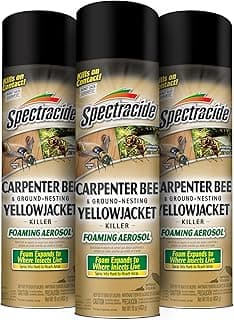
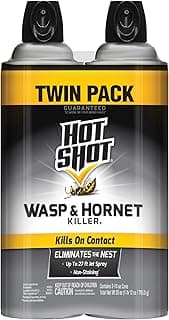
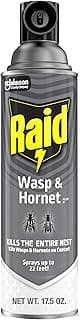
The Engineering Behind the Best Bee Spray for Yellow Jackets
The efficacy of a pest control product is determined by two primary variables: chemical formulation and delivery mechanics. When evaluating the best bee spray for yellow jackets, a mechanical engineer looks at the nozzle's ability to maintain a laminar flow. A high-pressure stream is essential to reach nests from a safe distance—typically 15 to 27 feet—without the wind dispersing the toxicant. This "jet spray" functionality is achieved through specific propellant ratios that ensure consistent pressure until the canister is nearly empty. From a gifting perspective, providing a tool that offers this level of precision is a thoughtful way to address the safety concerns of those who might be asking what is a good gift for someone moving into a new house when safety is a priority.
Chemical "Knockdown" vs. Residual Efficacy
In the world of independent product testing, we distinguish between "knockdown"—the immediate paralysis of the insect—and residual kill. Most consumer-grade products utilize pyrethroids like Cypermethrin or Tetramethrin. These neurotoxins work by disrupting the sodium channels in the insect’s nervous system. However, the best bee spray for yellow jackets will also include a residual component that remains active on the surface of the nest, ensuring that foragers returning later are also eliminated. This dual-action approach is necessary for total colony collapse, which is often the primary goal when protecting a home.
| Feature | Consumer Grade | Professional Grade (Industrial) | Eco-Alternative (Essential Oils) |
| Effective Range | 10-15 Feet | 20-27 Feet | 3-5 Feet |
| Knockdown Speed | Moderate (30-60s) | Instantaneous (<5s) | Slow (>5 mins) |
| Active Ingredients | Allethrin/Phenothrin | Cypermethrin/Lambda-Cyhalothrin | Peppermint/Clove Oil |
| Conductivity | High Risk | Non-Conductive Options | High Risk |
Multi-Dimensional User Empathy: Safety for All Physical Limitations
As a gifting strategist, one must consider who will be using the product. A standard aerosol can requires significant grip strength and sustained pressure on a small actuator. For the elderly or individuals with arthritis, this design is suboptimal. The best bee spray for yellow jackets for this demographic should ideally feature a "trigger handle" attachment, which redistributes the force required from a single finger to the entire hand. This ergonomic consideration is vital when determining what to buy for a friend's new house if the recipient has limited mobility.
Furthermore, the physical weight of the canister and the recoil of a high-pressure jet can be surprising. When recommending these products for outdoor upkeep, they are often paired with other maintenance tools like a best commercial leaf vacuum or a best outdoor vacuum to ensure the exterior perimeter remains clear of the debris that attracts nesting insects in the first place.
Gifting tech is about more than specifications; it is about upgrading the recipient's window to the digital world, ensuring every frame is a testament to quality.
The Buy It For Life (BIFL) Perspective: Hidden Costs and Shelf Life
While an aerosol spray is inherently a consumable, the "BIFL" philosophy applies to the reliability and shelf-life of the propellant. Many budget-tier sprays suffer from seal degradation over a single season, leading to a loss of pressure. This means that when an emergency arises, the spray may only dribble out, putting the user at extreme risk of stings. When selecting the best bee spray for yellow jackets as a gift, look for brands that guarantee pressure retention for at least three to five years. This prevents the "fast consumerism" trap where a homeowner must replace half-full cans because the delivery system has failed.
Operational Safety and Protective Gear
Using even the most effective spray requires personal protective equipment (PPE). We advise that any gift including high-pressure chemical sprays also includes a pair of best high dexterity winter work gloves or similar protective wear. This ensures that the user maintains a firm grip on the canister even if chemical residue makes the surface slippery. Understanding the hidden cost of safety—which includes the need for eye protection and proper clothing—elevates the user's experience from a simple chore to a professional-level maintenance operation.
Direct Answer Framework: Frequently Asked Questions
Is the best bee spray for yellow jackets safe for use near electrical wires?
No, not all sprays are safe; you must specifically look for "non-conductive" or "high dielectric" ratings (often up to 40,000 volts) on the label before spraying near power lines or transformer boxes. Many standard sprays use water-based carriers that can cause electrical shorts and dangerous arc flashes.
Can I use yellow jacket spray indoors?
No, high-pressure wasp and hornet sprays are strictly designed for outdoor use due to their long-range delivery system which can cause significant splashing, surface staining, and high concentrations of chemical vapors in enclosed spaces. For indoor issues, mechanical traps or specialized indoor-rated foams are required.
Does the spray work instantly on all types of bees?
No, while "instant knockdown" is a common marketing term, the actual speed of paralysis depends on the ambient temperature and the specific species. Yellow jackets, being highly aggressive, may still have enough nervous system activity to sting for several seconds after initial contact; therefore, maintaining the maximum distance allowed by the nozzle is essential.
In summary, the search for the best bee spray for yellow jackets is an exercise in balancing chemical potency with delivery reliability. By treating this necessity as a technical instrument rather than a simple grocery item, you can provide a gift that offers genuine peace of mind and home security. Whether it is part of a larger landscaping toolkit or a standalone safety item, the right choice reflects a deep understanding of the recipient's needs and the physical realities of homeownership.