
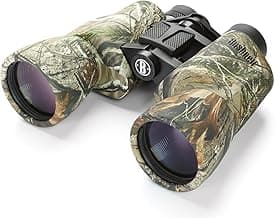
The Engineering of Light: Understanding Optical Quality
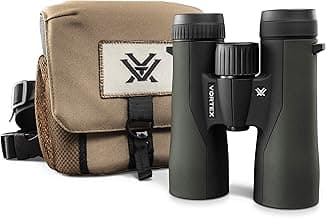
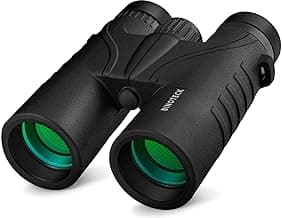
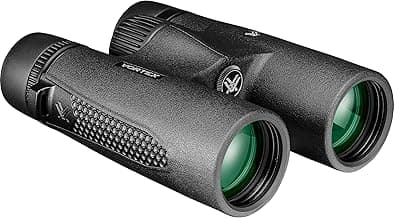
The core of any high-quality binocular lies in its glass chemistry and coating technology. When you are searching for the best binos for hunting, you are essentially looking for an instrument that maximizes light transmission while minimizing chromatic aberration. High-density (HD) or Extra-low Dispersion (ED) glass elements are non-negotiable for anyone hunting in the "golden hours" of dawn and dusk. These specialized glass types ensure that all wavelengths of light meet at the same focal point, preventing the purple fringing often seen in cheaper alternatives.
Furthermore, the coatings applied to the lenses—specifically "fully multi-coated" surfaces—are critical. Without these chemical layers, each air-to-glass surface reflects a portion of the light away from the eye, leading to a dim, muddy image. In premium optics, these coatings also include hydrophobic layers that shed water and oil, ensuring the hunter maintains a clear view during a sudden downpour. When considering what are the best-rated gifts for men who value technical proficiency, few items match the sophisticated layering found in elite binoculars.
Gifting tech is about more than specifications; it is about upgrading the recipient's window to the digital world, ensuring every frame is a testament to quality.
Technical Comparisons: Magnification vs. Objective Lens
A common mistake in gifting optics is assuming higher magnification is always better. In reality, higher power (such as 12x or 15x) narrows the field of view and amplifies hand-shake, making it difficult to spot movement. For most hunting environments, the 8x42 or 10x42 configurations remain the industry standards. Below is a breakdown of how these technical variables impact the user experience in the field:
| Technical Variable | 8x42 Configuration | 10x42 Configuration | 12x50 Configuration |
|---|---|---|---|
| Field of View (FOV) | Wide; ideal for dense woods and tracking movement. | Moderate; balanced for open fields and timber. | Narrow; difficult for fast-moving targets. |
| Exit Pupil | 5.25mm; excellent low-light performance. | 4.2mm; adequate for most daylight conditions. | 4.16mm; heavy, but bright in open country. |
| Image Stability | High; minimal shake during handheld use. | Moderate; requires a steady hand. | Low; often requires a tripod or rest. |
| Weight Distribution | Lightweight; better for long treks. | Standard; the most versatile choice. | Heavy; noticeable after hours of carry. |
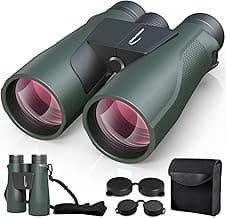
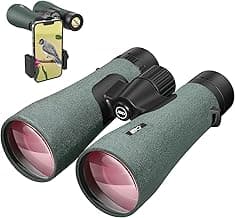
When evaluating the best 8x42 binoculars for hunting, the primary benefit is the larger exit pupil, which allows more light to hit the user's dilated eye in low-light conditions. Conversely, comparing them to the best 10x50 binoculars for hunting reveals a trade-off: more detail at long range at the expense of significantly higher physical weight and bulk.
Multi-dimensional User Empathy: Who Are You Buying For?
The "best" binocular is highly subjective and depends on the user's physical constraints and hunting style. For an elderly hunter or someone with arthritis, the focus wheel's tension and the weight of the chassis are paramount. A heavy magnesium alloy frame might provide durability, but if the user cannot hold the unit steady for more than thirty seconds, the optical quality is irrelevant. In such cases, lightweight polycarbonate housings with a large, textured focus wheel are superior.
For those hunting in Western states where "glassing" (searching for animals from a distance) can take hours, the ergonomics of the eyecups and the length of the eye relief are critical for preventing eye fatigue. If you are struggling with how to come up with good gift ideas, consider the recipient's specific terrain. A dense-timber hunter in the East needs a wide field of view to catch glimpses of movement through thickets, whereas a mountain hunter needs the reach of 10x magnification to scan distant ridgelines.
The BIFL (Buy It For Life) Philosophy and Hidden Costs
A high-end hunting optic should be a one-time purchase. The "Buy It For Life" philosophy in optics is supported by two pillars: mechanical sealing and manufacturer warranty. The best binos for hunting are nitrogen or argon purged and O-ring sealed. This prevents internal fogging—a death sentence for optics—caused by temperature swings. If a machine cannot be serviced or if the manufacturer does not offer a transferrable, lifetime "no-fault" warranty, it is a poor long-term investment.
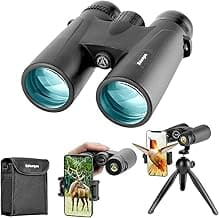
There are also hidden costs to consider. Cheap optics often come with low-quality neck straps that cause skin irritation and "bino-bounce" during movement. Upgrading to a chest harness is almost mandatory for serious use. Furthermore, many budget-friendly best binocular brands for hunting save costs by using inferior plastic internal components that can wear out or shift after repeated recoil or accidental drops. A modular system that allows for tripod mounting and easily replaceable eyecups ensures the gift remains functional for decades rather than seasons.
Whether you are selecting gifts for my best friend or an elder family member, prioritize the serviceability of the brand. Professional repair communities often highlight that while electronic components in "smart" optics will inevitably fail within five to seven years, a purely mechanical, high-glass binocular has a functional lifespan that can exceed fifty years with proper maintenance.
Frequently Asked Questions
What is the most important spec when choosing the best binos for hunting?
The exit pupil and lens coating quality are more important than magnification. A 5mm exit pupil (calculated by dividing the objective lens diameter by the magnification) ensures the image remains bright during dawn and dusk, which is when most game movement occurs. Without high-quality anti-reflective coatings, even a large lens will lose too much light to be effective.
Is it worth spending more than $500 on hunting binoculars?
Yes, because the jump in optical clarity and mechanical durability between entry-level and mid-tier optics is immense. In the sub-$300 category, manufacturers often use "BK-7" glass or inferior roof prism designs that lead to soft edges and distorted colors. Moving into the $500+ range typically secures phase-corrected prisms and ED glass, which are essential for identifying game hidden in heavy cover.
Are 10x42 binoculars too powerful for woods hunting?
Generally, 10x4 magnification is usable in the woods, but it is not optimal. The narrower field of view makes it harder to "find" an animal in the glass once you spot it with the naked eye. For thick timber, an 8x42 model provides a more immersive, stable view and a faster target acquisition time, making it one of the best gift ideas for him if he hunts in the Appalachian or Pacific Northwest regions.
Can I use birdwatching binoculars for hunting?
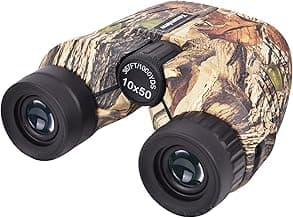
Technically yes, but hunting-specific binoculars are built for higher impact resistance and often feature camouflage or low-visibility rubber armoring. Hunting models also prioritize low-light performance and ruggedness, as they are expected to be dragged through brush and exposed to blood, dirt, and extreme weather, whereas birding models may prioritize color accuracy over pure durability.
In conclusion, the path to finding the best binos for hunting is paved with technical scrutiny. By focusing on glass quality, mechanical sealing, and the specific needs of the hunter's environment, you can provide a gift that transcends the moment and becomes a permanent fixture in their outdoor kit.