
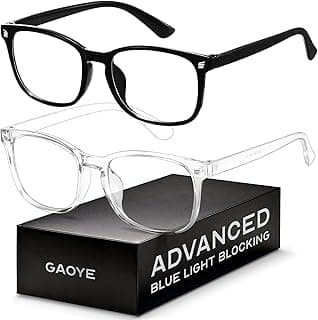
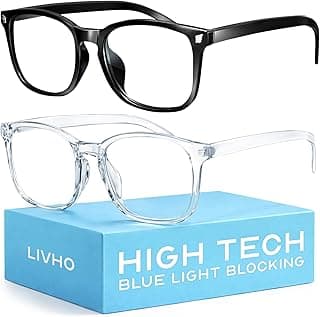
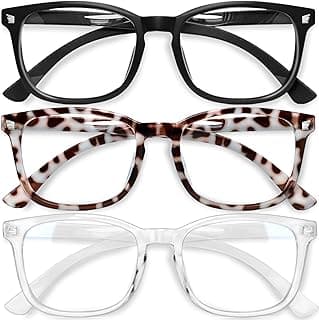

The Amazon Blue Light Glasses Reality
Let's be direct about what you're dealing with.
Amazon's blue light glasses marketplace mixes legitimate products with dropshipped junk, established brands with fly-by-night operations, and genuine reviews with manipulated ratings. This isn't unique to blue light glasses—it's how Amazon works across categories. But it does mean buying blind carries real risk.
The good news: genuinely decent options exist at prices that make gifting easy. The best cheap blue light blocking glasses deliver real eye protection without premium brand pricing. You just need to know what separates them from the cheap glasses that only pretend to block blue light.
The bad news: identifying quality requires more effort than clicking "Best Seller" and checking out. Amazon's algorithms reward sales velocity and advertising spend, not product quality. Top search results often represent marketing budgets, not superior glasses.
"On Amazon, 'best seller' means 'sells the most'—not 'works the best.' Those aren't the same thing, especially with blue light glasses where performance isn't obvious until after you've worn them."
Why Amazon Still Makes Sense for This Gift
Despite the chaos, Amazon offers advantages worth considering:
Price accessibility. Specialty brands charge $75-$150 for blue light glasses. Amazon alternatives often deliver comparable protection for $15-$40. That pricing difference matters when you're buying gifts—especially multiple gifts or testing whether someone would even use blue light glasses.
Prime shipping. Last-minute gift buying becomes viable. Two-day (sometimes same-day) delivery means procrastination doesn't kill thoughtful gifting.
Return flexibility. Amazon's return policy provides safety net that smaller retailers can't match. Glasses don't fit? Wrong style? Just... not great? Send them back. This flexibility reduces gifting anxiety considerably.
Variety. Whatever the recipient's style preference—round frames, square frames, clear frames, bold colors, minimalist design—Amazon has options. Specialty brands offer maybe 10-20 frame styles. Amazon offers hundreds.
The platform's downsides don't disappear, but they become manageable with the right approach. Think of Amazon as a tool requiring skill to use effectively, not a curated store where everything meets quality standards.
Red Flags That Signal Low-Quality Glasses
Before discussing what to buy, let's establish what to avoid. These warning signs indicate products worth skipping:
No specific filtration claims. Quality glasses state exactly how much blue light they block—"filters 45% of blue light at 450nm" or similar. Vague claims like "blocks harmful blue light" without numbers mean nothing measurable. The best computer glasses on Amazon always specify their filtration rates.
Brand names you can't research. Search the brand outside Amazon. If nothing comes up—no website, no reviews elsewhere, no social presence—you're probably looking at a generic product with a made-up brand name. These products aren't necessarily terrible, but you have no way to verify quality claims.
Identical products under different brands. Search by the product image, not the name. You'll often find the exact same glasses sold under five different "brands" at varying prices. This indicates generic imports where no company actually stands behind the product.
Review patterns that look artificial. Hundreds of 5-star reviews in a short time period. Reviewers who all received free products. Reviews that sound like marketing copy. Verified Purchase percentages below 80%. These patterns suggest manipulated ratings.
Extremely low prices. Glasses under $10 can't include quality lenses, decent frames, and meaningful blue light filtering. Manufacturing costs set a floor. Below that floor, something gets cut—usually the part that actually matters.
No return reviews. Scan negative reviews specifically. Fake positive reviews are common; fake negative reviews are rare. What do disappointed buyers complain about? Those complaints tell you more than five-star praise ever could.
What Quality Amazon Blue Light Glasses Include
Conversely, certain indicators suggest products worth considering:
Documented filtration testing. Some Amazon sellers include lab reports or third-party testing results. This extra effort signals genuine investment in product quality—not just marketing.
Detailed lens specifications. Material (polycarbonate, CR-39), coatings (anti-reflective, scratch-resistant, oleophobic), and construction details indicate manufacturers who understand what they're selling.
Precise frame measurements. Width, temple length, bridge width, lens height—quality listings include these numbers because they know buyers need them for fit. Missing measurements suggest sellers who don't understand their own products.
Responsive seller presence. Check answered questions. Does the seller respond helpfully? Quickly? Accurately? This engagement indicates businesses that care about customer experience rather than just moving units.
Multi-year presence. Brands selling on Amazon for 3+ years with consistent ratings have survived the marketplace's natural selection. New arrivals might be great or terrible—you can't know yet. Established sellers have track records you can evaluate.
Brand Categories Worth Exploring
Amazon's blue light glasses fall into recognizable categories. Understanding these helps navigate the chaos:
Established Accessory Brands
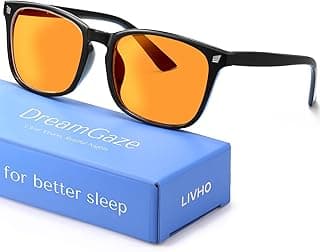
Companies like TIJN, Livho, and similar names built businesses selling eyewear on Amazon over years. They're not luxury brands. They're not optical specialists. But they've developed reasonable quality control and customer service because their business depends on repeat purchases and positive reviews.
These brands represent the best blue light blocking glasses Amazon offers in the $15-$35 range. Expect functional protection, decent frames, and acceptable but not exceptional durability. They work well for gifting when you want reliability without premium investment.
Gaming-Focused Options
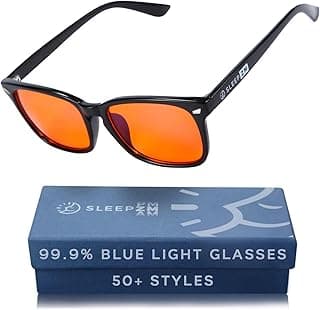
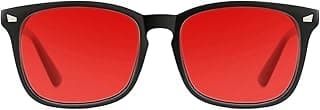
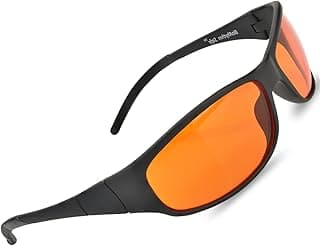
The best gaming glasses Amazon carries come from brands specifically targeting gamers. These often feature amber tinting for maximum blue light filtration, designs compatible with headset wear, and aesthetics that appeal to gaming culture.
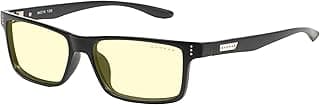
GUNNAR sells on Amazon at prices similar to their direct sales—premium but proven. Various Amazon-native brands offer gaming-style glasses at lower price points with varying quality. For serious gamers, spending more for GUNNAR's tested technology often makes sense. For casual gaming, budget options suffice.
Fashion-Forward Styles
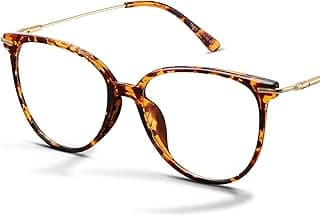
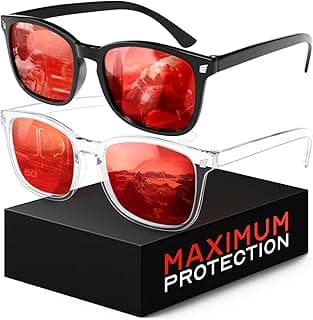
If recipient style matters more than maximum protection, Amazon carries fashion-oriented blue light glasses from brands prioritizing appearance. Frame designs follow eyewear trends; lens technology takes back seat to aesthetics.
These work when the gift needs to look good first and block blue light second. Just verify that blue light filtering actually exists—some "blue light glasses" in this category provide minimal protection behind fashionable frames.
Reader Combinations
Blue light filtering plus reading magnification combines two functions many adults need. Amazon offers these combinations across magnification powers (+1.00 to +3.00 typically) at prices well below optical shop equivalents.
Quality varies significantly here. Lens distortion, uneven magnification, and inconsistent blue light filtering plague cheap options. Stick with established brands that specifically focus on readers with blue light features.
For deeper coverage of brand quality levels, our blue light glasses brand guide provides detailed comparisons beyond Amazon.
Price Tiers and Realistic Expectations
What should you actually expect at different Amazon price points?
Under $15
Entry-level territory. Functional blue light filtering exists at this price, but frame quality suffers. Expect plastic that feels cheap, hinges that loosen quickly, and coatings that scratch easily. These glasses work for trying the concept—testing whether someone benefits from blue light filtering before investing more.
For gifts, this tier risks looking cheap. The recipient might appreciate the thought but wonder about the execution. Reserve sub-$15 options for casual acquaintances or stocking stuffers where expectations are already modest.
$15-$30
The sweet spot for best cheap blue light blocking glasses that don't feel cheap. Quality brands at this tier deliver genuine protection, reasonable comfort, and frames that survive daily use. Coatings hold up. Hinges stay tight. The glasses look like something you'd actually want to wear.
Most Amazon blue light glasses gifts should target this range. You get meaningful quality improvement over bottom-tier options without approaching specialty brand pricing. Recipients receive something that functions well and presents respectably.
$30-$50
Premium Amazon territory where you're approaching specialty brand pricing. At this level, you should get excellent lens quality, durable frame construction, comprehensive coatings, and features like spring hinges or premium materials.
Critically evaluate whether products at this price actually deliver more than $20 alternatives. Sometimes they do—better materials, superior filtration, enhanced durability. Sometimes they're just the same glasses with inflated pricing and better marketing. Compare specifications carefully.
$50+
At this price on Amazon, you're typically buying established brands (GUNNAR, some Warby Parker products, etc.) rather than Amazon-native options. The premium pays for brand reputation, proven technology, and support infrastructure.
For important gifts, buying known brands at this tier might make more sense than gambling on Amazon-specific options. You're paying for certainty alongside the product itself. Our computer glasses guide covers premium options in depth.
"The $20-$25 range on Amazon hits the efficiency sweet spot—enough investment for real quality, not so much that you're paying for brand names rather than actual glasses."
How to Verify Before Buying
Before committing to any blue light glasses Amazon purchase, run through this verification process:
Step 1: Check review authenticity. Tools like Fakespot and ReviewMeta analyze Amazon review patterns. They're not perfect, but they flag obvious manipulation. A product with "C" grade reviews deserves skepticism even if the star rating looks good.
Step 2: Read negative reviews specifically. Filter for 1-star and 2-star reviews. What do unhappy customers complain about? Quality issues? Fit problems? Lens clarity? Customer service failures? These complaints reveal real weaknesses marketing hides.
Step 3: Search the brand independently. Google the brand name. Check their website if one exists. Look for reviews on YouTube or Reddit. External validation (or its absence) tells you whether the brand exists meaningfully outside Amazon's walled garden.
Step 4: Compare specifications. Open multiple products in tabs. Compare stated filtration percentages, lens materials, frame measurements, and included features. This comparison reveals which products actually differentiate themselves versus which just copy marketing language.
Step 5: Verify return policy. Most Amazon products include standard returns, but check for exceptions. Third-party sellers sometimes have stricter policies. For gifts especially, easy returns matter—you might need them.
Gifting Strategy for Amazon Blue Light Glasses
The Amazon context changes gifting approach in specific ways:
Consider buying two styles. Amazon's pricing makes doubling up feasible. Buy two different frame styles; let the recipient keep whichever fits better and return the other. This overcomes the "will they like how it looks" uncertainty that makes eyewear gifting risky.
Include gift receipts. Always. Even with great selection, fit and style preferences are personal. Gift receipts enable easy exchanges without awkward conversations about cost.
Upgrade the presentation. Amazon packaging—that blue-gray mailer—doesn't exactly scream "thoughtful gift." Remove glasses from Amazon packaging, place in a nicer case, add a cleaning cloth and personal note. The product stays the same; the gifting experience improves dramatically.
Pair with complementary items. Add a quality microfiber cloth, lens cleaning spray, or a protective case. These additions transform "I ordered something from Amazon" into "I put together a gift for you." Small touches, meaningful impact.
Time purchases strategically. Prime Day, Black Friday, and holiday sales regularly discount blue light glasses 20-40%. If you can plan ahead, these windows stretch gifting budgets significantly.
Specific Recipient Considerations
Different recipients warrant different Amazon approaches:
For heavy computer users: Prioritize lens quality and filtration percentage over frame style. The best computer glasses Amazon offers focus on function—they'll spend hours wearing these, so protection matters more than fashion.
For gamers: Look for gaming-specific features: headset compatibility, secure fit during movement, amber tinting for maximum protection. Gaming communities discuss specific products extensively; Reddit threads identify which Amazon options actually work.
For fashion-conscious recipients: Frame style dominates decision-making. Verify blue light filtering exists but accept that protection takes secondary priority. Better a stylish pair they'll actually wear than aggressive filtering they'll leave in a drawer.
For kids: Durability matters most. Kids break glasses. Repeatedly. Amazon's budget pricing makes replacement affordable, which might be the best strategy—buy several pairs knowing they'll get destroyed. Flexible frames help survival odds.
For seniors: Consider reader combinations if they need magnification. Larger frames with bigger lenses accommodate age-related vision needs. Our senior gift guide covers additional considerations for older recipients.
For skeptics: Someone unsure whether blue light glasses help shouldn't receive expensive pairs. Amazon's budget options let them experiment without significant investment. If glasses help, they'll upgrade themselves. If not, little was lost.
What Amazon Blue Light Glasses Can't Do
Setting realistic expectations prevents disappointment:
They won't match premium optical quality. Companies like Felix Gray or Warby Parker invest in lens technology Amazon budget brands can't match. Functional? Yes. Premium? No. The price difference exists for reasons.
They won't last forever. Budget frames use budget materials. Expect 1-2 years of regular use before hinges loosen, coatings degrade, or frames lose shape. Premium glasses last longer; Amazon glasses cost less when replacement time comes.
They won't solve all eye problems. Blue light filtering addresses one variable in digital eye strain. Screen brightness, room lighting, posture, break frequency, and underlying vision issues all contribute independently. Glasses help but aren't complete solutions.
They won't provide prescription correction without specific selection. Standard Amazon blue light glasses are non-prescription. Prescription options exist but require knowing the recipient's prescription details—which complicates surprise gifting significantly.
"Amazon blue light glasses are excellent value propositions, not luxury products. Appreciate them for what they offer rather than expecting what they can't deliver."
Making Your Amazon Selection
Pulling everything together into actionable guidance:
For reliable mid-range gifting: TIJN, Livho, or similar established Amazon brands in the $18-$28 range. Multiple frame options, reasonable quality, proven track records.
For gaming focus: GUNNAR if budget allows ($50+), or gaming-specific Amazon brands with strong review profiles if not.
For budget experimentation: Any option in the $12-$18 range with 4+ star ratings, 500+ reviews, and 85%+ verified purchases. Accept that you're testing, not investing.
For maximum value: Wait for sales, buy multiple pairs, compare quality in person, return what doesn't work. Amazon's return policy enables this approach in ways physical retail can't.
Our broader blue light computer glasses guide covers options beyond Amazon if you want to compare marketplace finds against specialty alternatives.
The Honest Assessment
Should you buy blue light glasses from Amazon? For many gifting situations, yes.
The platform offers genuine value at price points that make thoughtful gifting accessible. Its return policies provide safety nets. Its variety accommodates virtually any style preference. Quality options exist alongside junk—the skill lies in identifying which is which.
For significant occasions or recipients who deeply appreciate quality, specialty brands might justify their premium. For everyday gifting, first-time trials, budget-conscious situations, or recipients who simply need functional screen protection, best blue light glasses on Amazon deliver meaningful value without meaningful financial risk.
Navigate carefully. Verify before buying. Present thoughtfully. The glasses themselves are just the foundation—what you build on that foundation determines whether the gift succeeds.
Gifts are for making an impression, not just for the sake of it.
GiftsPick – Meticulous, Kind, Objective.