

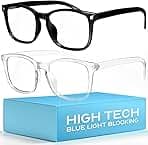
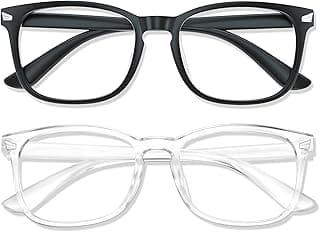
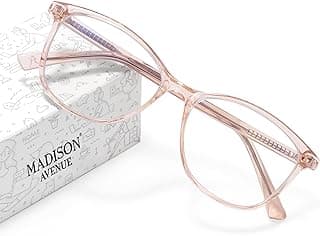
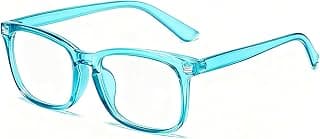
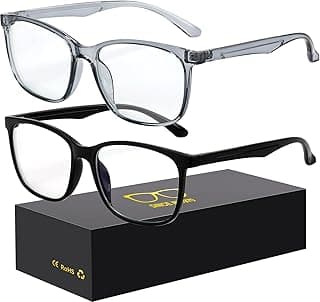
Amazon's Blue Light Glasses: The Real Situation
Search "blue light glasses" on Amazon and you'll get thousands of results. Literally thousands. Prices start around $8 and climb past $100. Every listing claims superiority. Every brand promises "premium protection." It's overwhelming by design.
Here's what you need to understand: most of these glasses work to some degree. Blue light filtering technology isn't rocket science. A coating on a lens that blocks certain wavelengths—manufacturers have figured this out. The differences between products come down to how well they work, how long they last, and whether they look like something a person would actually wear.
The marketplace contains genuinely good products mixed with mediocre ones mixed with outright junk. Your job as a gift-buyer isn't finding the single "best" option—that doesn't exist. Your job is avoiding the junk and landing somewhere in the good-to-great range without overpaying.
Totally doable. Just requires knowing what to look for.
What Separates Worth-Buying from Worth-Skipping
After wading through countless Amazon listings, patterns emerge. Products worth buying share certain characteristics. Products worth avoiding share others.
Worth buying: Specific filtration claims with actual percentages. Frame measurements listed clearly. Established seller presence (years on platform, not weeks). Reviews mentioning long-term use. Reasonable pricing that acknowledges quality costs something.
Worth skipping: Vague protection claims without numbers. No brand presence outside Amazon. Suspiciously uniform positive reviews. Prices so low that quality becomes mathematically impossible. Frames that look identical to dozens of other "brands."
The best blue light blocking glasses Amazon stocks tend to come from sellers who've been around long enough to develop reputation. They price products realistically—not so cheap it's suspicious, not so expensive you're paying for marketing rather than glasses.
"The sweet spot on Amazon sits between $15 and $35. Below that, quality compromises become noticeable. Above that, you're approaching specialty brand pricing without specialty brand quality."
Who Actually Benefits from This Gift
Blue light glasses make sense for some people more than others. Targeting the right recipients ensures your gift actually gets used rather than stuffed in a drawer.
The all-day screen worker. Whether remote employee, office dweller, or freelancer, anyone staring at monitors from morning to evening accumulates serious blue light exposure. For them, best computer glasses Amazon offers become daily-wear items rather than occasional accessories.
The evening scroller. That person who can't put their phone down before bed, then wonders why sleep doesn't come easy? Blue light exposure suppresses melatonin production. Glasses worn during evening screen time can genuinely help—if they'll actually wear them.
The dedicated gamer. Marathon gaming sessions combine extended screen exposure with intense visual focus. The best gaming glasses Amazon carries often feature amber tinting for maximum filtration—looks aren't the priority, protection is.
The student. Remote learning, online research, digital textbooks, late-night paper writing—modern education means modern screen time. Younger eyes aren't immune to strain; they might actually be more vulnerable to habit formation around ignoring discomfort.
The skeptic who won't buy their own. Some people know blue light glasses might help but won't spend money finding out. A gift removes that barrier. Either they discover the glasses help and become converts, or they confirm skepticism without financial loss.
For broader gift inspiration across these recipient types, our coworker gift guide and teen gift ideas offer additional direction.
The Price Reality Check
Let's talk money honestly. What do different Amazon price points actually deliver?
$8-$15 range: You're gambling. Some products here work fine—basic frames with basic filtering that do the basic job. Others fall apart within weeks, provide minimal actual protection, or cause more eye strain than they prevent through poor lens quality. If you're gifting at this tier, treat it as low-stakes experimentation rather than reliable purchase.
$15-$25 range: The practical sweet spot. Most best cheap blue light blocking glasses recommendations land here because the price allows for genuine quality without premium brand markups. Frames that hold up, lenses that filter meaningfully, coatings that don't scratch immediately. This tier represents the best value-to-quality ratio on the platform.
$25-$40 range: Quality should be noticeably better—spring hinges, superior lens clarity, more sophisticated filtration, premium frame materials. Should be. Some products at this price just have better marketing. Compare specifications carefully before assuming higher price means higher quality.
$40+ range: At this point, you're often buying established brands (GUNNAR, etc.) or Amazon-native brands with inflated self-positioning. The question becomes whether Amazon is even the right place to shop. Specialty retailers might offer better value at premium price points.
Reading Amazon Reviews Without Getting Fooled
Amazon reviews mix genuine feedback with manipulation. Learning to read them critically matters, especially for products where quality isn't obvious until after extended use.
Filter for verified purchases. Unverified reviews aren't automatically fake, but verified purchases indicate someone actually bought the product at full price. Products with less than 80% verified purchase reviews deserve skepticism.
Read the middle ratings. 5-star reviews often come from initial excitement or incentivized feedback. 1-star reviews sometimes reflect user error or unrelated complaints. 3-star reviews typically offer the most balanced assessment—people who found both positives and negatives worth mentioning.
Look for usage duration mentions. "Great glasses!" means little. "Still comfortable and scratch-free after six months of daily use" means a lot. Long-term feedback reveals durability that initial impressions can't.
Check for pattern consistency. If multiple reviewers independently mention the same flaw—loose hinges, lens distortion, coating degradation—that flaw probably exists. Consistent praise for specific features similarly carries weight.
Use external verification tools. Sites like Fakespot and ReviewMeta analyze Amazon review patterns algorithmically. They're not perfect, but they flag obvious manipulation that visual scanning might miss.
"Negative reviews tell you more than positive ones. Unhappy customers describe real problems; happy customers often just express general satisfaction without detail."
Style Considerations That Affect Whether They're Actually Worn
The most protective glasses in the world provide zero benefit sitting unworn. Style matters—maybe not to you, but likely to your recipient.
Frame shape: Round, square, rectangular, cat-eye, aviator—preferences vary wildly between individuals. If you know your recipient's taste, match it. If you don't, stick with versatile rectangular frames that work across most face shapes and style preferences.
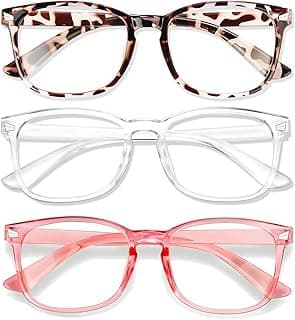
Color choices: Black and tortoise frames go with everything. Bold colors make statements but risk clashing. Clear frames trend currently but may not suit everyone. When uncertain, neutral wins.
Lens tint: Clear lenses filter less but look normal. Yellow/amber lenses filter more but noticeably alter appearance and color perception. For professional settings or style-conscious recipients, clear makes sense. For gamers or heavy users prioritizing protection, amber delivers more.
Frame size: Amazon listings should include measurements—total width, temple length, lens dimensions. Compare these to glasses your recipient already wears and likes. Oversized frames on small faces look wrong; undersized frames on large heads cause discomfort.
Our brand comparison guide covers style-to-protection tradeoffs across different manufacturers.
Amazon-Specific Brands Worth Knowing
Certain brands have established themselves as reliable Amazon presence in the blue light glasses space. Not luxury brands. Not optometry-grade quality. But consistent, functional, reasonably priced options that make good gifts.
TIJN: Perhaps the most recognized Amazon eyewear brand. Multiple frame styles, consistent quality control, genuine blue light filtering. Their sweet spot sits around $20-$30. Not exciting, but reliable.
Livho: Similar positioning to TIJN with slightly different style options. Often runs promotions that bring prices below $20 for comparable quality. Worth checking during sale periods.
ANRRI: Focuses on classic frame styles with lightweight construction. Reviews consistently mention comfort for extended wear—relevant for best computer glasses on Amazon searches where all-day use is the goal.
Cyxus: Positions slightly upmarket within Amazon-native brands. Often includes more premium features like spring hinges and enhanced coatings. Price reflects this positioning.
GUNNAR: The established gaming glasses brand sells on Amazon at prices matching their direct sales. Premium compared to Amazon-native options but with proven technology and reputation backing it. The best gaming glasses Amazon buyers often land here if budget allows.
These aren't endorsements of specific products—quality varies within any brand's lineup. They're starting points for searches more likely to yield good results than random browsing.
The Gifting Execution
Buying the right glasses is half the challenge. Presenting them well completes the gift.
Don't gift in Amazon packaging. That blue-gray mailer screams "I ordered this online last minute." Remove glasses from shipping materials entirely. Place them in a nicer case—even a simple $5 hard case elevates presentation dramatically.
Include a cleaning cloth. Amazon often ships glasses with cheap microfiber cloths that lint more than they clean. Upgrade to a quality lens cloth. Small addition, noticeable improvement.
Add context to the gift. A brief note explaining why you chose blue light glasses shows thought behind the purchase. "Noticed you mentioning tired eyes lately—these might help" lands better than handing over mystery glasses without explanation.
Enable easy exchange. Include gift receipt or mention return flexibility. Glasses are personal—even thoughtful choices sometimes don't fit right or match style preferences. Making exchange painless shows consideration beyond the initial purchase.
Consider buying two options. Amazon pricing makes this feasible. Two different frame styles let the recipient compare and keep their preference while returning the other. Removes guesswork from your selection process.
Common Mistakes Gift-Buyers Make
Learn from others' errors:
Assuming cheapest is good enough. Sub-$15 glasses might work fine. They might also cause headaches from poor lens quality, break within weeks, or provide negligible actual protection. The savings aren't worth the risk for a gift meant to impress.
Ignoring frame size entirely. Glasses that don't fit don't get worn. Period. Measure frames the recipient currently uses, or check their face size against standard measurements. Skipping this step creates gifts that become drawer occupants.
Choosing your style, not theirs. You think round tortoise frames look sophisticated. They think square black frames look professional. Your preference doesn't matter—theirs does. When uncertain, ask or choose something neutral.
Forgetting about use case. Gaming glasses with heavy amber tint don't suit office workers who need accurate color perception. Clear-lens fashion frames don't provide maximum protection for marathon gamers. Match product to how the recipient will actually use them.
Trusting "Best Seller" rankings. Amazon's best sellers reflect sales volume, not quality. Marketing budgets and pricing strategies influence rankings more than product performance. Use rankings as discovery tool, not decision criteria.
When Amazon Isn't the Right Choice
Honesty requires acknowledging Amazon's limitations:
For prescription integration, optical retailers or online prescription eyewear specialists (Zenni, Warby Parker, etc.) offer better options. Amazon's prescription selection is limited and the process cumbersome.
For truly premium quality, specialty brands selling direct often provide better value than buying those same brands through Amazon's markup. Felix Gray glasses from Felix Gray cost the same or less than Felix Gray glasses through Amazon.
For recipients who deeply care about eyewear quality, Amazon's budget-oriented marketplace might underdeliver expectations. Some people want luxury regardless of functional equivalence. Know your recipient.
For complex vision needs—progressive lenses, specific prescriptions, unusual face dimensions—custom solutions beat Amazon's standardized offerings. These situations justify optical professional involvement.
Our computer glasses guide covers alternatives when Amazon isn't the ideal channel.
"Amazon excels at accessible quality—good enough for most people at prices most people can afford. It doesn't excel at premium quality or specialized solutions. Know which you're shopping for."
Quick Decision Framework
Still feeling overwhelmed? Simplify your decision:
Budget under $20: TIJN or Livho basic frames. Stick with bestselling styles that have thousands of reviews. Accept that you're buying functional, not exceptional.
Budget $20-$35: Explore TIJN, Cyxus, or ANRRI's better options. Look for spring hinges, quality coatings, specific filtration claims. This range should deliver genuine quality.
Gaming focus: GUNNAR if budget allows ($50+), or Amazon gaming-branded options with amber tinting if not. Prioritize filtration over style.
Fashion priority: Search by frame style rather than brand. Find aesthetically appealing options first, then verify blue light claims exist. Accept some protection tradeoff for appearance.
Maximum caution: Use review analysis tools. Read negative reviews thoroughly. Compare specifications across similar products. Return anything that disappoints.
Final Perspective
The best blue light glasses on Amazon won't match what premium optical brands deliver. That's not their purpose. Their purpose is accessible protection at accessible prices—getting functional eye care into hands that wouldn't otherwise prioritize it.
For gifting, this accessibility is feature, not bug. You're not trying to impress with luxury. You're trying to improve someone's daily comfort without demanding they invest significantly themselves. Amazon's blue light glasses marketplace serves this goal effectively when navigated thoughtfully.
Choose carefully. Present thoughtfully. Enable easy exchange. The glasses themselves matter less than the intention behind giving them—and the genuine possibility they'll make someone's screen-heavy days a little more comfortable.
That's a gift worth giving.
Gifts are for making an impression, not just for the sake of it.
GiftsPick – Meticulous, Kind, Objective.