
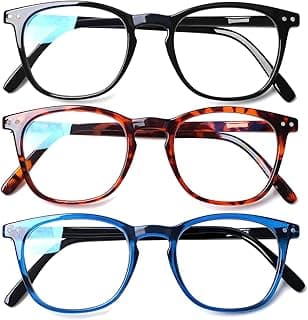
Why Expert Reviews Matter for Blue Light Glasses
Most products reveal quality quickly. You bite into food and taste it. You sit on furniture and feel it. You try on clothes and see the fit. Blue light glasses don't work that way.
The actual filtration happens invisibly. You can't see blue light being blocked. You can't immediately feel the difference between 20% filtration and 60% filtration. Marketing claims go unverified by most buyers because verification requires specialized equipment most people don't have.
This information asymmetry creates a marketplace where bad products thrive alongside good ones. Manufacturers know buyers can't test claims. Some exploit this. Others genuinely deliver but struggle to differentiate from competitors making identical-sounding promises.
Expert reviewers break this asymmetry. They acquire spectrophotometers. They measure actual light transmission. They test multiple products head-to-head under controlled conditions. When Wirecutter-style publications recommend blue light glasses, that recommendation carries weight because it's backed by work most consumers can't replicate themselves.
"Anyone can claim their glasses block blue light. Very few actually prove it. Expert testing separates verified performance from marketing fantasy."
What Expert Testers Actually Evaluate
Understanding evaluation criteria helps you assess any blue light glasses—whether officially tested by major publications or not. Here's what serious reviewers examine:
Light transmission measurement. Using spectrophotometers, testers measure exactly what wavelengths pass through lenses and what gets blocked. This reveals whether filtration claims match reality. Some products claiming "blocks harmful blue light" actually block minimal amounts; others exceed their stated percentages.
Optical clarity. Blue light blocking shouldn't compromise vision quality. Poor lenses introduce distortion, haziness, or uneven filtering across the lens surface. Expert testers check for these issues that regular buyers might not recognize until after extended use causes headaches or eye strain.
Color distortion assessment. All blue light filtering affects color perception somewhat—that's physics. But the degree varies significantly. Testers evaluate whether distortion remains subtle and tolerable or becomes obvious and annoying. This matters especially for creative professionals who need accurate color perception.
Build quality examination. Hinges, frame materials, coating durability, weight distribution—these physical characteristics determine whether glasses survive daily use. Expert reviews often include durability testing or at minimum extended real-world use before recommending.
Comfort over time. Fifteen minutes of wear tells you almost nothing. Testers wear products for hours daily over weeks, identifying pressure points, nose pad issues, temple squeeze, and other comfort problems that only emerge through extended use.
Value assessment. Performance relative to price matters. Expensive glasses should outperform cheap ones proportionally. Sometimes they do; sometimes budget options deliver comparable protection at fraction of the cost. Expert testing reveals these value relationships.
The Migraine Connection: Why It Matters
For most people, blue light glasses provide comfort improvement. For migraine sufferers, they can be genuinely therapeutic.
Light sensitivity—photophobia—accompanies most migraines. Certain wavelengths trigger or worsen attacks more than others. Research identifies specific blue-green light around 480nm as particularly problematic for migraine-prone individuals. This isn't the same spectrum that general blue light glasses target for digital eye strain.
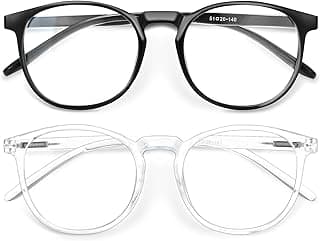
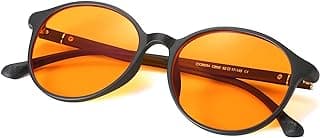
The best blue light blocking glasses for migraines filter different wavelengths than standard computer glasses. They often carry a noticeable rose or amber tint that blocks the specific light most likely to trigger photophobic response. They're not cosmetically subtle—function trumps appearance.
For gift-givers, this distinction matters enormously. A migraine sufferer receiving standard blue light glasses gets minimal benefit. The same person receiving migraine-specific glasses might gain genuine relief. Understanding your recipient's situation determines which product category even makes sense.
Brands like Theraspecs and Axon Optics specifically engineer for migraine relief, with research backing their claims. General blue light blocking brands—even good ones—target different problems with different solutions.
Expert-Recommended Brands and Why
Certain brands consistently appear in expert recommendations. Understanding why helps evaluate any blue light glasses purchase:
Felix Gray
Felix Gray earns recommendations for delivering clear-lens blue light filtering that actually works. Independent testing confirms their filtration claims. Frames suit professional environments. The company invests in lens technology rather than just marketing—and that shows in expert assessments.
Wirecutter-style reviewers appreciate that Felix Gray specifies exactly what wavelengths they filter and by how much. This transparency enables verification, which builds trust.
Best for: Professional environments, style-conscious recipients, those wanting protection without visible tint.
GUNNAR Optiks
GUNNAR pioneered the computer eyewear category and maintains technological leadership. Their amber-tinted lenses block more blue light than most clear alternatives—a tradeoff reviewers note but often endorse for heavy screen users.
Expert testing consistently confirms GUNNAR's filtration claims. Build quality holds up over time. The gaming-oriented aesthetic limits some contexts but serves core users well.
Best for: Gamers, heavy screen users, those prioritizing maximum protection over appearance.
Theraspecs (Migraine-Specific)
For migraine sufferers specifically, Theraspecs consistently earns expert endorsement. Their FL-41 tinted lenses target the wavelengths most associated with photophobic response. Research published in peer-reviewed journals supports their effectiveness.
The distinctive rose tint makes these glasses obviously different from standard eyewear. That visibility is feature, not bug—it filters light that standard glasses don't touch.
Best for: Diagnosed migraine sufferers, photophobia management, therapeutic rather than cosmetic use.
Zenni Optical
Zenni earns recommendations in the value category. Their Blokz lenses cost dramatically less than premium brands while delivering functional protection. Expert testing shows filtration performance below premium options but well above claimed for the price point.
For gift-givers working within budgets, Zenni represents verified quality at accessible pricing.
Best for: Budget-conscious gifting, first-time blue light glasses trials, recipients who might not use glasses consistently.
For detailed brand comparisons beyond expert picks, our blue light glasses brand guide covers additional options.
"Expert recommendations aren't about finding the single 'best' product. They're about identifying which products actually deliver what they promise—then matching those to specific needs."
Reading Expert Reviews Critically
Not all "expert" reviews deserve the label. Some publications test rigorously; others just aggregate Amazon listings and call it expertise. Distinguishing genuine expert assessment from content marketing matters.
Signs of legitimate expert review:
Methodology disclosure. Real testers explain how they evaluated products—what equipment they used, how long they tested, what criteria mattered. Vague reviews saying products are "great" without explaining evaluation process aren't expert reviews; they're opinions dressed in authority.
Negative findings included. No product excels at everything. Reviews that identify weaknesses alongside strengths demonstrate honest assessment. Universal praise suggests either cherry-picked products or insufficient testing.
Comparative testing. Single-product reviews have limited value. Expert testing compares products against each other under identical conditions, revealing relative performance that isolated reviews can't show.
Updated information. Product lines change. Manufacturing quality varies over time. Genuine expert sources update recommendations when circumstances warrant rather than publishing once and ignoring changes.
Signs of fake expertise:
Affiliate links without disclosure. Legitimate publications disclose financial relationships. Sources hiding affiliate arrangements have undisclosed incentive to recommend whatever pays best rather than whatever performs best.
Identical content across products. Reviews that could apply to any product in the category—generic praise without specific observations—suggest no actual testing occurred.
No critical analysis. Every product has flaws. Reviews finding none either didn't look or chose not to report honestly.
Special Considerations for Migraine Sufferers
If your gift recipient suffers from migraines, standard blue light glasses selection advice doesn't fully apply. Several additional factors matter:
Tint matters more than clarity. General consumers prefer clear lenses that don't alter appearance. Migraine sufferers benefit from specific tints (FL-41, rose, amber) that filter problematic wavelengths more effectively. Cosmetic preference takes back seat to therapeutic effect.
Wrap-around coverage helps. Light entering from sides can trigger photophobic response even if forward-facing lenses filter well. The best blue light blocking glasses for migraines often feature frames that block peripheral light—looking more like safety glasses than fashion accessories.
Indoor and outdoor versions differ. Photophobia manifests in natural light too, not just screen light. Migraine-specific brands often offer both indoor (lighter tint) and outdoor (darker, often polarized) versions. Gift-givers might consider which environment triggers most issues for their recipient.
Prescription integration matters more. Migraine sufferers often wear glasses throughout attacks when light sensitivity peaks. If the recipient needs vision correction, migraine glasses without their prescription create inconvenience at worst moments. Brands like Theraspecs offer prescription options worth the added complexity.
Medical consultation adds value. Unlike general blue light glasses, migraine-specific eyewear intersects with medical treatment. Suggesting (or facilitating) conversation with the recipient's neurologist or headache specialist before purchase shows exceptional thoughtfulness.
Our computer glasses guide covers general-purpose options for recipients without migraine considerations.
The Gift-Giving Angle on Expert Recommendations
Expert-tested products make particularly strong gifts for specific reasons:
Confidence in quality. You're not gambling on untested claims. Someone with equipment and expertise verified that these glasses work. That verification transfers to your gift selection—you can present confidently knowing you chose something proven.
Story to tell. "I got these because Wirecutter recommended them after testing dozens of options" gives context that generic purchases lack. The gift includes implicit message: "I researched this carefully for you."
Reduced return likelihood. Expert-tested products disappoint less often because obvious flaws get caught during testing. Gifts based on expert recommendations are more likely to be kept and used than random selections.
Appropriate expectation setting. Expert reviews note limitations alongside strengths. You know what the glasses will and won't do, allowing accurate framing when presenting the gift.
Price Expectations for Expert-Recommended Options
Expert recommendations span price ranges. Understanding what each tier delivers helps budget appropriately:
$25-$50 (Value picks): Zenni, EyeBuyDirect, and similar online optical retailers offering blue light coating options. Expert testing confirms functional protection at accessible pricing. Appropriate for casual gifting or recipients unsure whether they'll use blue light glasses regularly.
$50-$100 (Quality mainstream): Felix Gray basic options, GUNNAR standard frames, Pixel Eyewear. This range delivers meaningful quality improvement over budget options—better lens clarity, more durable frames, verified filtration. Most expert recommendations for general use fall here.
$100-$150 (Premium/Specialized): Felix Gray premium frames, GUNNAR higher-end options, Theraspecs migraine glasses. Premium materials, specialized technology, or therapeutic focus justify higher pricing. Appropriate for important gifts or specific therapeutic needs.
$150+ (Luxury/Prescription): Designer frames with blue light options, prescription migraine glasses, premium fashion brands. Expert recommendations at this tier focus on specific justifications—prescription needs, style requirements, or maximum therapeutic benefit—rather than general value.
For budget-conscious gifting ideas beyond eyewear, our affordable gift guide offers alternatives.
What Experts Don't Tell You
Even thorough expert reviews leave gaps. Consider these factors that testing often misses:
Individual variation. Expert testers evaluate products, not recipients. How glasses perform for the tester may differ from how they perform for your specific recipient. Face shape, usage patterns, and sensitivity levels vary person to person.
Style subjectivity. Experts can assess build quality objectively but style preferences are inherently personal. A frame that looks professional to testers might not match your recipient's aesthetic.
Use case specificity. Most expert testing assumes general computer use. Specific scenarios—color-critical design work, gaming marathons, migraine management—may warrant different priorities than reviews emphasize.
Long-term durability. Testing periods typically span weeks, not years. How glasses hold up over years of daily use remains somewhat unpredictable even for expert-recommended options.
Customer service variation. Product quality and company responsiveness don't always correlate. Expert reviews focus on products; they rarely test warranty claims, return processes, or support quality—factors that matter when gifts need exchange or repair.
"Expert recommendations narrow the field from thousands of options to dozens of good ones. Final selection still requires matching those good options to your specific recipient's needs."
Making Your Selection
Synthesizing expert guidance into gift selection:
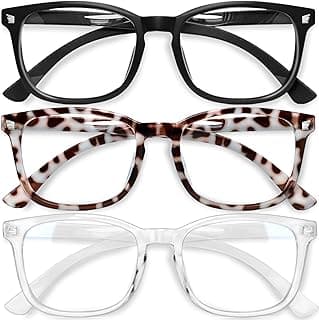
For general screen users: Felix Gray or GUNNAR based on style preference (professional vs. gaming-oriented). Both consistently earn expert recommendations for verified protection.
For migraine sufferers: Theraspecs or Axon Optics—brands specifically engineering for therapeutic light filtering rather than general eye comfort. Worth the premium for recipients who genuinely suffer.
For budget-conscious gifting: Zenni Blokz or similar verified-but-affordable options. Expert testing confirms functionality even at lower price points.
For fashion-priority recipients: Warby Parker with blue light upgrade or similar fashion-forward options that happen to include protection. Style matters if glasses need to be worn to work.
For uncertain situations: Mid-range expert-recommended options with easy returns. Reduces risk while still delivering quality if the glasses suit the recipient.
Our Amazon blue light glasses guide covers additional options for marketplace shopping specifically.
Presentation Suggestions
Expert-recommended products deserve presentation matching their quality:
Include the "why." Mention that you chose based on expert testing. "These are what Wirecutter-style reviewers recommend after testing dozens of options" adds context that elevates the gift beyond random purchase.
Add practical accessories. Quality cleaning cloth, protective case, lens spray—small additions that show comprehensive thinking about actual use.
For migraine recipients: Consider including information about the specific therapeutic design. Understanding why these glasses differ from regular blue light blockers helps recipients use them effectively.
Enable exchange gracefully. Even expert-tested products don't suit everyone. Including gift receipt or exchange information shows care extends beyond the initial purchase.
Final Thoughts
The Wirecutter approach to blue light glasses—rigorous testing, verified claims, honest assessment of tradeoffs—provides foundation for confident gift selection. You're not trusting marketing; you're trusting methodology.
That methodology matters especially for products where quality isn't immediately apparent. Blue light glasses can't be taste-tested or visually evaluated for effectiveness. Expert verification substitutes for personal ability to assess, giving you confidence that your gift actually works as intended.
For general screen users, expert-recommended options deliver genuine comfort improvement. For migraine sufferers, properly selected glasses offer therapeutic benefit that genuinely improves quality of life. Either way, choosing based on verified performance rather than marketing claims increases the likelihood your gift becomes something actually used and appreciated.
That's the goal of thoughtful gifting—and expert recommendations help achieve it.
Gifts are for making an impression, not just for the sake of it.
GiftsPick – Meticulous, Kind, Objective.