

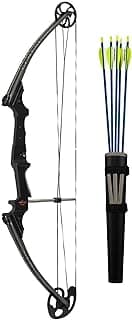
Mechanical Architectures: Compound vs. Traditional Systems
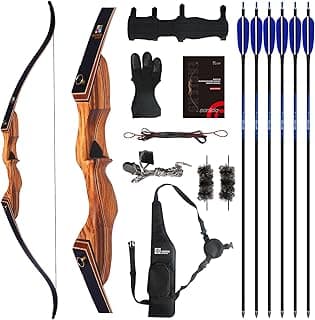
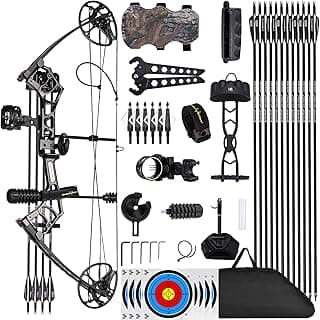
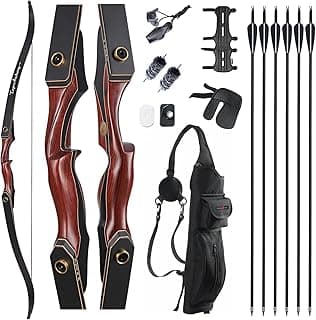
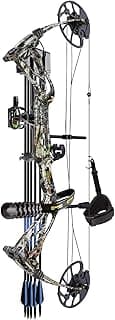
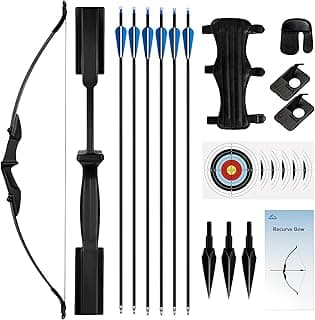
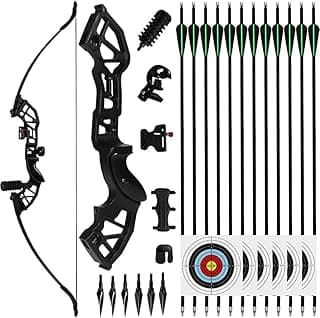
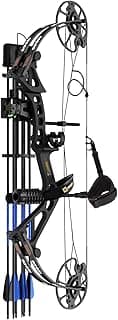
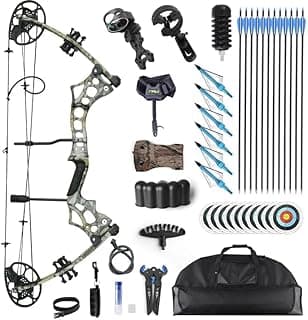
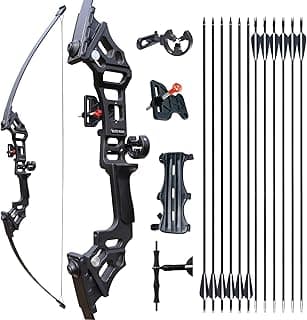
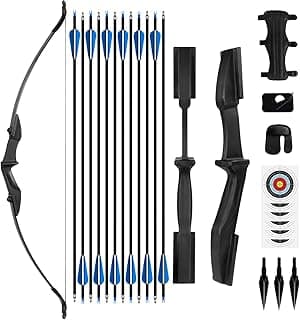
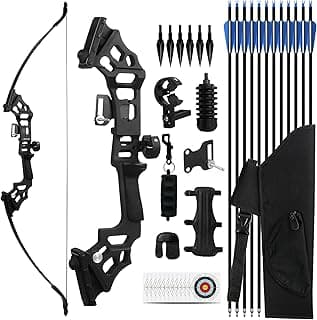
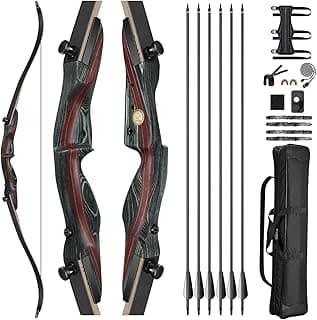
The primary decision in gifting an archery setup is choosing between a compound system and a traditional recurve or longbow. Compound bows utilize eccentric cams to provide "let-off," a mechanical advantage that allows the archer to hold only a fraction of the draw weight at full draw. This allows for prolonged aiming and higher precision. Conversely, traditional bows rely on the raw physical strength of the archer and offer a more visceral, albeit more difficult, experience. For a recipient who values modern efficiency, the best compound bow for hunting is almost always the superior choice due to its adjustability and higher energy density.
Gifting tech is about more than specifications; it is about upgrading the recipient's window to the digital world, ensuring every frame is a testament to quality.
When evaluating the riser—the central handle of the bow—material science is paramount. Machined aluminum offers a rigid, stable platform that resists torque, while carbon fiber risers provide significant weight reduction and better thermal properties in cold weather. For hunters who trek miles into the backcountry, the weight savings of carbon are tangible, though the increased cost must be weighed against the potential for vibration and "hand shock" inherent in lighter frames.
The Technical Variable Table: Comparing Hunting Architectures
To assist in your selection process, the following table breaks down the critical variables that define a high-performance hunting bow. Understanding these metrics is essential before answering the question, what should i buy my dad if he is an aspiring or expert archer.
| Technical Variable | Compound System Impact | Modularity & Repairability |
|---|---|---|
| Axle-to-Axle Length | Shorter bows (28-31") are maneuverable in blinds; longer bows (33"+) offer stability. | High: Most limbs and cams can be swapped by a professional technician. |
| Brace Height | A 6" height increases speed; a 7" height is more "forgiving" of form errors. | Fixed: This is a structural dimension of the riser design. |
| Cam Cycle | Aggressive cams maximize energy but have a "harsh" draw cycle. | Moderate: Bearings and bushings require periodic replacement. |
| Let-Off Percentage | Higher let-off (80-90%) allows for longer aiming times during high-stress encounters. | Adjustable: Many modern modules allow for customized let-off settings. |
Arrow Dynamics: The Often Overlooked Half of the Equation
Gifting the "best bow" is only half the battle; the arrow is the component that actually performs the work. The "spine" of an arrow refers to its stiffness, which must be perfectly matched to the bow's draw weight and the archer's draw length. If an arrow is too weak, it will oscillate excessively, losing energy and accuracy; if it is too stiff, it will fail to clear the rest properly. High-modulus carbon shafts are the industry standard for their durability and straightness tolerances. For those looking for best survival gloves or other tactical gear to complement an archery gift, remember that the arrow's "Front of Center" (FOC) percentage is the most critical metric for deep penetration through heavy bone and hide.
The Sustainability of Archery Equipment
In the spirit of the BIFL philosophy, one must avoid "Ready-to-Hunt" packages that utilize plastic components and proprietary sight mounts. These are often designed for "fast consumerism" and lack the longevity required for a legacy gift. Instead, focus on bows with modular grip systems and standard threaded accessory holes. This ensures that as technology improves, the recipient can upgrade their sights, stabilizers, and arrow rests without needing to replace the entire bow. When we consider what is the greatest gift for all, it is often a tool that teaches a skill while remaining functional for decades.
Addressing Hidden Costs and Long-Term Maintenance
A high-end bow requires a commitment to maintenance that many first-time buyers overlook. Bowstrings are wear items made of synthetic fibers like BCY 452X; they will stretch and fray over time, typically requiring replacement every two years. Furthermore, the limbs of a bow are under immense tension. We warn against purchasing used bows without a thorough inspection by a bow press, as "dry firing" (releasing the string without an arrow) can cause microscopic fractures in the limbs that lead to catastrophic failure later. For the ultimate outdoorsman, combining a bow with a best adventure motorcycle helmet might seem like a dream, but ensure they have the proper storage cases to protect the delicate eccentric cams from impact during transport.
Direct Answer Framework: Frequently Asked Questions
Is a more expensive bow always more accurate?
No, a higher price tag generally buys you a smoother draw cycle, higher quality materials (like carbon fiber), and less vibration, but mechanical accuracy is largely a product of "tuning." A $500 bow that has been professionally paper-tuned and matched with the correct arrow spine will out-shoot a $1,800 bow that is poorly set up. Accuracy is a result of the system's alignment and the archer's consistency.
What draw weight is necessary for hunting?
A draw weight of 40 to 50 pounds is sufficient for most North American big game, provided the arrow has sufficient mass and a sharp broadhead. While many hunters strive for 70-pound limbs, the physical strain can lead to poor form and injury over time. It is always better to shoot a lower weight accurately than to struggle with a weight that causes the archer to "sky draw" or shake while aiming.
Can I buy a bow as a surprise gift?
Buying a bow as a complete surprise is risky because the "draw length" must be measured specifically to the recipient's wingspan. A better strategy is to gift the riser or a gift certificate to a local pro shop where the recipient can be professionally measured and have the bow "fitted" to their specific ergonomics. This ensures the gift is both functional and safe.
Ultimately, selecting the best bow and arrow for hunting requires a balance of engineering appreciation and an understanding of the recipient's physical limits. By focusing on modularity, material quality, and the physics of momentum, you are providing more than just equipment—you are providing a lifetime of precision and a deep connection to the outdoors.