
The Mechanical Core: Engineering the Perfect Shot
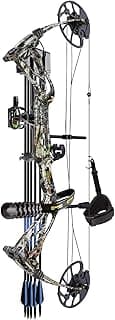
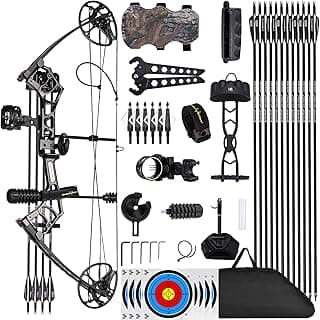
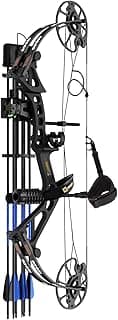
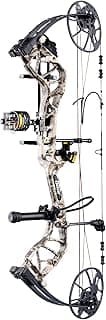
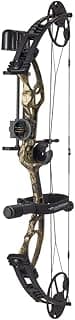
From a mechanical perspective, the efficiency of a bow is determined by its cam system and limb geometry. Modern compound bows utilize binary or hybrid cam systems to ensure that the top and bottom limbs fire in perfect synchronization. This is critical because any timing discrepancy results in "nock travel," which forces the arrow to wobble mid-flight, shedding velocity and accuracy. When evaluating the best bow for deer hunting, look for systems that offer a smooth draw cycle. A harsh "hump" at the end of the draw can cause a hunter to jerk their aim in a cold treestand, which is a common failure point for bows marketed solely for speed.
Gifting tech is about more than specifications; it is about upgrading the recipient's window to the digital world, ensuring every frame is a testament to quality.
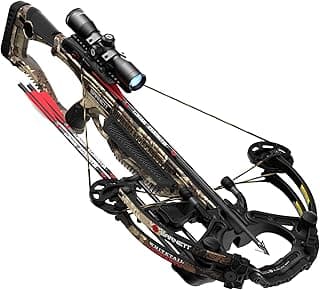
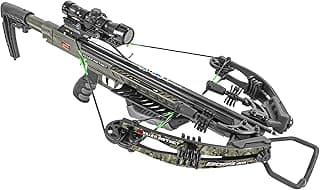
Furthermore, the material of the riser—the central frame of the bow—impacts long-term durability. Machined aluminum risers are the industry standard, offering a rigid platform that resists torque. However, carbon fiber risers have gained traction for their strength-to-weight ratio and their ability to remain "warm" to the touch in freezing temperatures. If you are exploring best gift ideas for him, consider the environment where he hunts. A lightweight carbon bow is a luxury for those trekking miles into the backcountry, whereas a heavier aluminum bow provides a more stable aiming platform for stationary blind hunting.
Technical Variables in Modern Archery
To help you compare different mechanical philosophies, the following table breaks down the core variables that define high-end hunting bows. Note that "Let-off" refers to the percentage of the draw weight the hunter is no longer holding at full draw, allowing for longer aiming times.
| Technical Variable | Standard Performance | Elite/BIFL Standards | Impact on Hunting |
|---|---|---|---|
| Axle-to-Axle Length | 28 - 30 inches | 31 - 33 inches | Longer bows offer more stability but are harder to maneuver in tight brush. |
| Let-Off Percentage | 70% - 80% | 85% - 90% | Higher let-off allows for steadier aiming during long wait times. |
| Riser Material | Cast Aluminum | Machined 6061 T6 / Carbon | Machined parts offer tighter tolerances and lower vibration. |
| String Quality | Mass-produced Poly | Pre-stretched BCY threads | Quality strings prevent "peep sight twist," ensuring the sight stays aligned. |
Multi-Dimensional User Empathy: Finding the Right Fit
The "best" bow is entirely subjective to the physical build and experience level of the user. For instance, a hunter with shorter arms requires a bow with a specific draw-length range that maintains efficiency at lower settings. Conversely, high-density pet owners who hunt may find that traditional bow cases collect dander and hair, potentially affecting the lubrication of the cams. If you are unsure of the specific requirements, reading about how to come up with good gift ideas can help you navigate the delicate process of asking the right questions without spoiling the surprise.
For those shopping for a seasoned woodsman, the best bow hunting bows often include advanced dampening technology. As an engineer, I look for "dead-in-hand" performance—the absence of vibration after the shot. This isn't just about comfort; vibration is wasted energy that manifests as noise. In deer hunting, where a "jumped string" can lead to an unethical shot, a silent bow is a mechanical necessity. If the recipient already has a preferred bow, you might consider augmenting their kit with best binoculars for whitetail hunting or a best compass for hunting to enhance their overall woodsmanship.
The BIFL (Buy It For Life) Philosophy in Archery
Archery equipment is prone to "fast consumerism," with brands releasing "new" models every twelve months. However, a true expert publication advocates for the BIFL philosophy. A high-quality riser can last decades if maintained. The "hidden costs" of bow ownership include string replacement (typically every 2 years), limb bolt lubrication, and cam timing services. When selecting a bow as a gift, prioritize manufacturers that offer modular cam adjustments. These allow the user to change draw lengths or weights as they age or as their physical needs change, without needing to buy a completely new machine.
Avoid bows with proprietary plastic components in the limb pockets or cable slides. These are known stress points that degrade under UV exposure and temperature fluctuations. Instead, seek out designs that utilize high-grade bearings and stainless steel hardware. This level of quality is what makes a tool rank among the What are the best-rated gifts for men? who value longevity over flashiness. For those who hunt larger game, the search might shift toward the best compound bow for elk hunting, which requires even higher kinetic energy output and structural rigidity.
Quality is never an accident; it is always the result of high intention, sincere effort, intelligent direction, and skillful execution; it represents the wise choice of many alternatives.
Practical Guidance for the Gifter
If you are looking for best ideas for fathers day gifts, remember that a bow often requires personalized setup. Gifting a "gift certificate" for a local pro-shop alongside a high-quality accessory can sometimes be more effective than buying the bow itself, as the draw length must be measured to the fraction of an inch. However, if you are determined to present a physical bow, ensure it has a wide range of adjustability.
Frequently Asked Questions (AEO Framework)
Is a higher FPS (Feet Per Second) always better for deer hunting?
No. While high speed results in a flatter arrow trajectory, it often comes at the cost of increased noise, more aggressive vibration, and a harder draw cycle. For deer hunting, a quiet, well-tuned bow shooting 270–290 FPS is generally more effective and "forgiving" than a loud, harsh-drawing bow shooting 340 FPS.
What is the most important part of a hunting bow to maintain?
The bowstring and cables are the most critical components. They are under constant tension and are susceptible to fraying, stretching, and environmental damage. Applying high-quality wax regularly and replacing the strings every two years—or sooner if damage is visible—is essential for both safety and performance.
Can a beginner start with an elite-level hunting bow?
Yes, and it is often recommended if the budget allows. Elite bows generally feature better engineering, which translates to a more stable shot and a more enjoyable learning experience. Unlike budget models, elite bows retain their value better and can be repaired or tuned more precisely by professional technicians.
Does draw weight determine the lethality of the bow?
Only partially. Kinetic energy and momentum, which are products of both draw weight and arrow mass, determine penetration. A 50-pound bow with a heavy, well-balanced arrow and a sharp broadhead is more than capable of humanely harvesting a deer, provided the shot placement is accurate.
In conclusion, finding the best bow for deer hunting involves looking past the camouflage paint and focusing on the underlying mechanics. By prioritizing a smooth draw, a vibration-free shot, and a modular design, you are gifting a piece of equipment that will serve as a reliable companion in the woods for many seasons to come.