

The Engineering of Archery Clearance
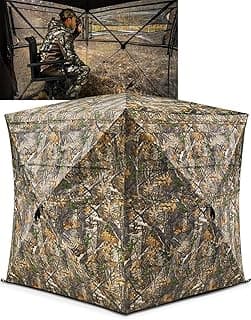
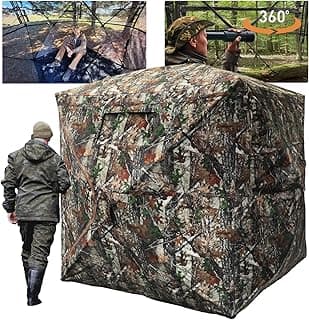
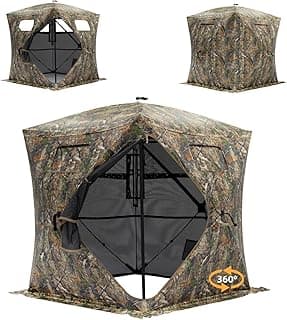
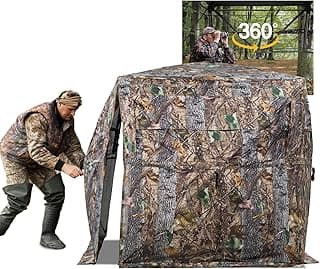
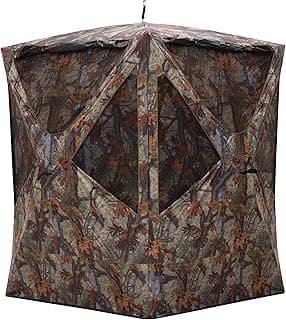
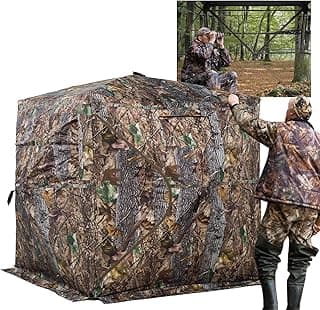
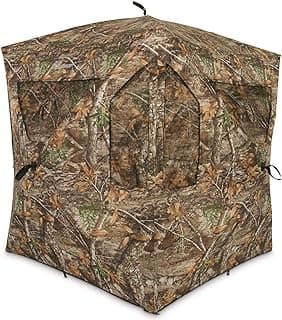
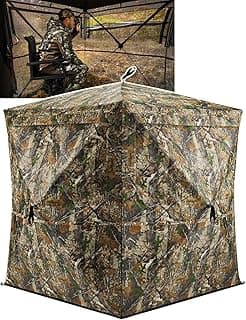
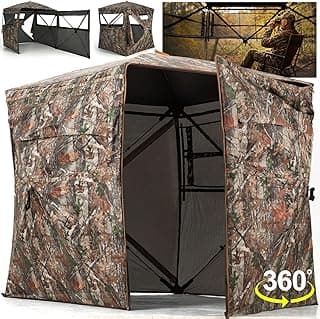
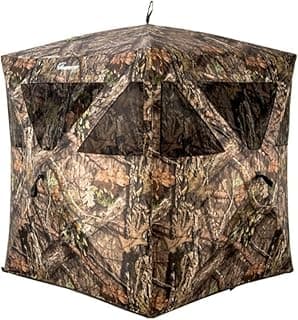
The primary failure point of many generic hunting blinds is a lack of specialized clearance for bowhunters. Unlike a rifle hunter who requires only a small porthole for a barrel, an archer needs a significant vertical window and enough interior height to allow the upper limb of a compound or traditional bow to clear the ceiling upon release. A blind that feels spacious when standing may become restrictive once the hunter is seated and at full draw. When searching for the best gift ideas for him, look for "hub-style" blinds with a center height of at least 70 inches. This ensures that even taller hunters can stand to stretch or adjust their shot angle without snagging their equipment on the fiberglass rods.
Window Systems and Silent Operation
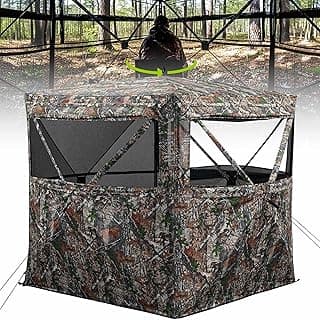
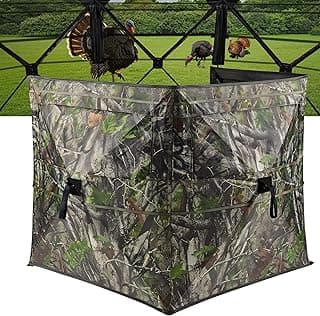
In the high-stakes environment of bowhunting, sound is the ultimate deterrent. Traditional zippers, while durable, are a liability in the field; the mechanical "zip" sound is an unnatural frequency that can spook a mature buck from a distance. The industry standard for a premium gift is the silent-slide window system. These use elastic hooks or magnetic closures that allow the hunter to adjust the viewing angle with zero decibel output. Furthermore, one-way mesh technology has revolutionized the sport, allowing the hunter to see the entire landscape while remaining completely invisible to the game, provided that interior lighting is kept to a minimum.
Gifting tech is about more than specifications; it is about upgrading the recipient's window to the digital world, ensuring every frame is a testament to quality.
Material Science: Denier Counts and UV Protection
A blind’s longevity is dictated by the density of its weave, measured in denier (D). Most budget options utilize 150D polyester, which is susceptible to "pinholing"—small light leaks caused by fabric stretching—and rapid UV degradation. A gift intended for long-term use should feature a minimum of 600D fabric. This heavier material not only resists tears from thorns and brush but also provides a superior thermal barrier and better scent containment. However, users should be aware that heavier fabrics increase the "static weight" of the blind, making it less ideal for hunters who frequently move their setup.
| Feature | Standard Blind (Budget) | Premium Bow Blind (BIFL) |
|---|---|---|
| Fabric Density | 150D - 300D Polyester | 600D+ Solution-Dyed Fabric |
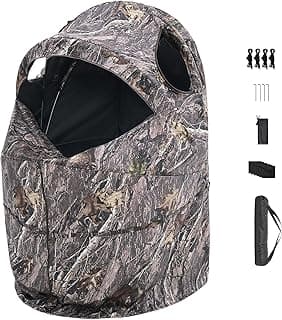
| Frame Design | Spring Steel (Pop-up) | Heavy-Duty Hub & Solid Rods |
| Window Style | Loud Zippers | Silent Slide or Magnetic |
| Floor Space | Approx. 55" x 55" | 65" x 65" or Pentagonal Expansion |
| Interior Coating | Standard Black | Carbon-Infused Scent Control |
Multi-dimensional User Empathy: Who Are You Gifting For?
The "best" blind is highly subjective, based on the physical capabilities and hunting style of the recipient. For an older hunter or someone dealing with joint pain, a hub-style blind is significantly easier to deploy than a tension-based spring-steel model, which requires significant upper-body strength to fold back into its carrying case. If the recipient often hunts in rugged terrain, you might consider pairing the blind with best composite work boots to ensure they have the stability and protection needed for the trek to their "honey hole."
For those who view hunting as a shared experience, a multi-person blind is essential. These larger footprints allow a mentor to sit with a youth hunter, providing enough room for two best hunting chair for blind setups without bumping elbows. This type of equipment qualifies as what is a good experiential gift, as it facilitates the passing of traditions between generations in a comfortable, controlled environment.
The Hidden Costs of Ownership: Maintenance and Repair
A common misconception is that a hunting blind is a "set it and forget it" tool. In reality, a blind left in the elements for a full season will face extreme stress. To follow a "Buy It For Life" philosophy, the recipient must be educated on modular repair. High-end manufacturers offer replacement fiberglass rods and hub assemblies, whereas budget models are essentially disposable once a rod snaps under a heavy snow load. When evaluating what to gift a smart person, choose a brand that provides a clear catalog of replacement parts, ensuring the gift doesn't end up in a landfill after one harsh winter.
Scent Control and Thermal Barriers
While the physical structure provides concealment, the internal environment must manage human odors. Premium blinds feature carbon-infused interior linings designed to adsorb scent molecules. However, the efficacy of these linings diminishes over time and requires "recharging" or supplementary scent-elimination sprays. For the bowhunter who spends long hours in freezing temperatures, a blind with a dedicated port for a portable heater is a luxury that extends the hunting day, though proper ventilation is a non-negotiable safety requirement to prevent carbon monoxide buildup.
Field Readiness and Portability
The best bow hunting blind is useless if it is too cumbersome to reach the destination. Most high-quality hubs weigh between 18 and 25 pounds. While this sounds manageable, carrying that weight along with a bow, a pack, and safety gear like best shooting ear protection can be taxing. The quality of the carrying system—specifically the shoulder straps and the balance of the bag—is a frequently overlooked detail that defines the user experience.
Frequently Asked Questions
Are bow hunting blinds waterproof? No, most fabric blinds are water-resistant but not strictly waterproof; the seams and window slides are points of ingress during heavy downpours, though many hunters apply an aftermarket seam sealer to improve performance.
How long does a hunting blind typically last? A high-quality 600D blind will last 5 to 7 seasons if stored dry after every use, whereas budget 150D models often show significant fabric thinning and color fading within two years of regular sun exposure.
Can I leave my blind out all year? No, leaving a blind out year-round is not recommended because UV rays and heavy snow loads are the primary causes of structural failure and fabric dry-rot; it is best to deploy the blind two weeks before the season and remove it immediately after.
What is the best way to clean a hunting blind? Use only a soft brush and plain water; harsh detergents or soaps can leave "UV brighteners" that make the blind glow to a deer’s eye and can strip away the factory DWR (Durable Water Repellent) coating.
Do I need to brush in my blind? Yes, regardless of the camouflage pattern, the hard boxy silhouette of a new blind can be jarring to local wildlife; using surrounding natural vegetation to break up the outlines is a critical step for bowhunting success.