


The Engineering of Concealment: Fabric and Frame Integrity
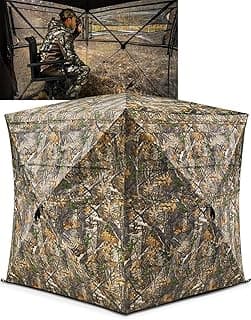
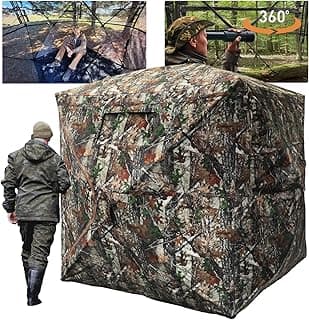
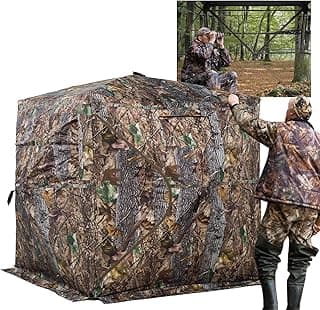
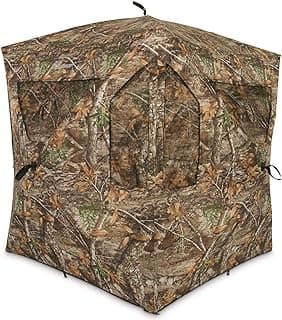
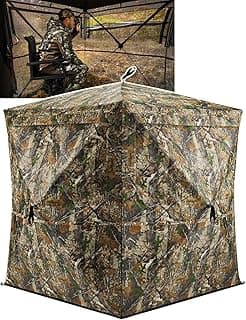
The primary failure point of budget-tier blinds is the denier of the fabric and the composition of the internal frame. Most recreational-grade products utilize a 150D (denier) polyester which, while lightweight, provides insufficient light-blocking capabilities and is highly susceptible to UV degradation. For a gift intended to last multiple seasons, a 600D heavy-duty polyester with a matte finish is the minimum standard. This prevents "shadowing," where the hunter's silhouette is visible to the prey through the fabric when backlit by the sun.
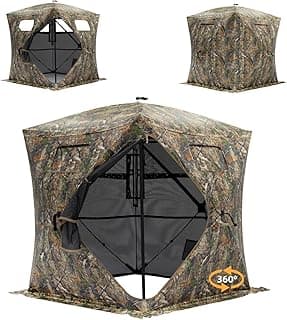
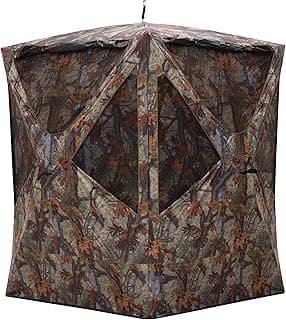
Mechanically, the "hub-style" blind has replaced the spring-steel "pop-up" design in the professional market. These hubs utilize heavy-duty fiberglass or aluminum rods that converge at a central point, creating high-tension walls that do not flap in the wind. Wind-induced vibration is not merely a noise issue; it is a visual cue that alerts cervids to an unnatural presence. A high-tension frame is essential for the stabilization of the blind during inclement weather. If you are researching how to come up with good gift ideas for a dedicated hunter, prioritizing frame stability over portability is a hallmark of expert-level gear selection.
Gifting tech is about more than specifications; it is about upgrading the recipient's window to the digital world, ensuring every frame is a testament to quality.
Spatial Ergonomics for the Archery Draw
Unlike firearm hunters who can operate in cramped quarters, a bow hunter requires significant horizontal and vertical clearance. The internal footprint must accommodate the "elbow room" needed to draw a compound or traditional bow without striking the rear wall. Furthermore, the window height must be adjustable. Archery shots often occur at steep downward angles or through narrow vertical lanes; a blind with static, horizontal windows is often unusable for high-angle bow shots.
We must also consider the needs of different hunters. For many, best gift ideas for him include gear that accommodates physical longevity. An elderly hunter or someone with mobility issues requires a blind with a "walk-through" door rather than a step-over zipper, which can be a tripping hazard in the low light of pre-dawn setups. True user empathy in design acknowledges that the hunting experience should not be a test of gymnastic ability.
| Technical Variable | Budget/Disposable Tier | Professional/BIFL Tier |
|---|---|---|
| Fabric Weight | 150D - 300D Polyester | 600D+ Oxford/Polyester Blend |
| Frame Material | Thin Spring Steel | Heavy-duty Fiberglass/Solid Aluminum Hubs |
| Window Mechanism | Velcro or Loud Zippers | Silent Slide Tracks or Magnetic Closures |
| Light Management | Single Layer (Translucent) | Blacked-out Interior Coating |
The "Buy It For Life" Philosophy: Durability and Maintenance
In the world of outdoor equipment, the hidden cost of ownership is often found in the lack of modularity. Cheap blinds are essentially monolithic; if a single fiberglass rod snaps or a zipper teeth misalign, the entire unit becomes waste. Independent repair communities often highlight that the best bow hunting blinds are those where the manufacturer offers replacement hub assemblies and skin patches. When evaluating a product, one should look for reinforced corners and "brush-in" loops. These loops allow the hunter to add local vegetation to the blind, which not only assists in camouflage but also protects the synthetic fabric from direct UV exposure, the primary killer of outdoor gear.
Furthermore, scent management is a critical technical variable. While no blind is "scent-proof," high-end models utilize carbon-infused liners or antimicrobial treatments to minimize the human odor footprint. This technical layer is a significant factor in why premium blinds command a higher price point. If you are asking what do men really want for father's Day, the answer is often gear that eliminates the variables of failure—in this case, the chance of being "winded" by a trophy buck.
Essential Accessory Integration
A blind is only one part of the tactical ecosystem. To maximize the effectiveness of the best bow hunting blinds, the recipient will need complementary equipment. For example, staying warm while remaining mobile is vital, making best high dexterity winter work gloves an excellent secondary gift to ensure the hunter can release the string cleanly in freezing temperatures. Additionally, since blinds restrict the natural field of view, high-quality optics such as best binoculars for whitetail hunting are necessary for scouting through window slits without exposing one's head. Safety is also paramount, and providing best hunting ear protection is a thoughtful gesture for hunters who may also engage in multi-season firearm hunting from the same blind.
Advanced Concealment Strategies
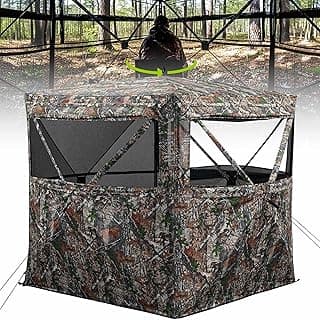
One-way see-through mesh is the most significant technological leap in blind design in the last decade. This material allows the hunter to have a 270-to-360-degree field of view of the surroundings while remaining completely invisible to the exterior. However, mechanical skepticism is required here: cheap mesh variants often blur the image when using high-powered optics or can cause a "haze" when the sun hits them directly. Only precision-woven mesh with high-transparency ratings provides the clarity needed for professional use.
For those looking for best ideas for fathers-day-gifts, consider a blind that emphasizes "black-out" technology. An interior painted or coated in a deep, non-reflective black ensures that even if the hunter moves to reach for a rangefinder, the movement is swallowed by the shadows. This is especially important for bow hunters, as the motion of drawing a bow is much more significant than the motion of raising a rifle.
Frequently Asked Questions
Are hub-style blinds better than spring-steel blinds for bow hunting?
Yes, hub-style blinds are superior because they provide a much stiffer wall tension and significantly more internal room for a full archery draw. Spring-steel blinds often have inward-sloping walls that can interfere with the bow's limbs or the hunter's elbow during the shot sequence.
How do I prevent my hunting blind from fading in the sun?
No synthetic fabric is immune to UV damage, but you can extend the life of a blind by choosing one with a high denier count and applying a UV-protectant spray annually. Additionally, using the integrated brush-in loops to cover the blind with natural branches provides a physical barrier against sunlight.
Can I leave a bow hunting blind out all season?
No, it is not recommended to leave a portable blind out for months at a time unless it is specifically rated as a semi-permanent "tower" or "insulated" blind. Standard portable blinds are subject to "weather-rot" and potential damage from heavy snow loads or high-speed winds that can collapse the hub system.
Is scent control in a blind actually effective?
While a blind provides a physical barrier that helps contain scent, it is only effective if used in conjunction with strict personal scent hygiene. The blind acts as a chimney; as your body heat rises, it carries scent out of the top vents. Therefore, blinds with adjustable roof vents are technically superior for controlling the direction of scent dispersion.
What is the most common mistake when using a hunting blind?
The most common mistake is opening too many windows. To remain invisible, the interior of the blind must remain dark. Opening windows on opposite sides creates a "silhouette" effect where the prey can see movement against the light coming through the far window. Only open the windows necessary for the immediate shot lane.