

The Physics of Load Bearing: Frame and Suspension
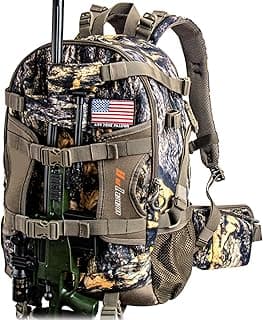
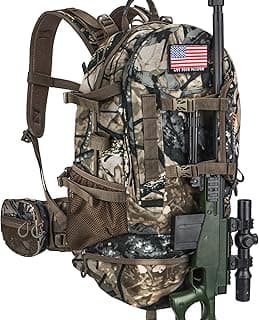
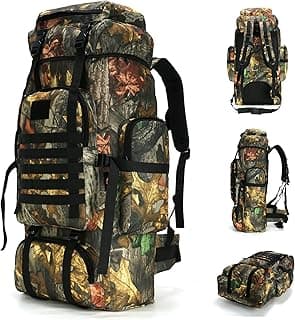
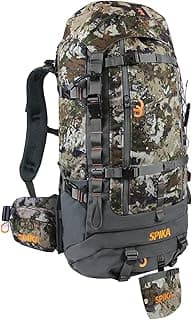
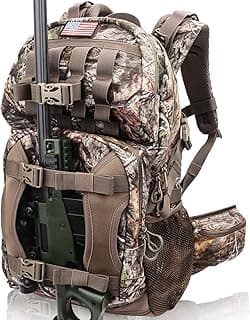
From an engineering perspective, the primary function of a hunting pack is to transfer weight from the shoulders to the stronger pelvic structure. A best budget hunting backpack must be evaluated based on its "stay" system—the internal or external rods that provide vertical rigidity. Many entry-level packs use thin plastic framesheets that bow under loads exceeding 30 pounds, leading to lumbar fatigue and cervical strain. To ensure what makes a memorable gift actually lasts, look for packs with aluminum or carbon fiber stays, which maintain their shape even during heavy pack-outs.
Gifting tech is about more than specifications; it is about upgrading the recipient's window to the digital world, ensuring every frame is a testament to quality.
Suspension systems in the budget category often suffer from inadequate padding density. Lower-quality foam collapses under pressure, losing its dampening properties within a single season. A gift-worthy pack should feature closed-cell foam or multi-density layers that resist compression set. This is a critical factor when considering what are the best-rated gifts for men who spend days in the backcountry. Proper torso adjustment is also vital; if a pack cannot be adjusted to the user’s specific spine length, the most expensive materials in the world will not prevent physical discomfort.
Material Science and Survival in the Field
The "Buy It For Life" (BIFL) philosophy dictates that we look past camouflage patterns to the actual textile specifications. Most budget hunting packs utilize polyester or low-denier nylon. While these are lightweight, they often lack the abrasion resistance required for pushing through dense brush. A truly effective best budget hunting pack will utilize at least 500D Cordura or a high-tenacity nylon ripstop. Furthermore, the "silence" of the fabric is a biological necessity; specialized brushed tricot or fleece-bonded materials reduce the high-frequency "swish" that can alert prey, though these materials often come at the cost of increased water retention.
Hardware is the most common point of failure. Independent testing consistently shows that generic zippers and buckles fail long before the fabric tears. High-quality hunting gifts should feature YKK zippers and Duraflex buckles. These components are designed to operate in sub-zero temperatures and through grit or mud. If a pack uses unbranded plastic hardware, it should be viewed as a seasonal item rather than a long-term investment. This is particularly important when pairing the pack with other high-stakes gear like a best bow and arrow for hunting, where equipment failure can ruin a significant expedition.
Comparative Analysis of Pack Architectures
To help you navigate the technical variables, the following table compares common frame architectures found in the budget hunting market. This data is essential for determining which style fits the recipient's specific hunting environment.
| Variable | Frameless Packs | Internal Frame | External Frame |
|---|---|---|---|
| Load Capacity | Under 20 lbs | 30 - 50 lbs | 60+ lbs |
| Breathability | Poor (Flush to back) | Moderate | High (Air gap) |
| Durability | High (Simple) | Moderate (Complex seams) | Highest (Modular) |
| Ideal Use Case | Scouting / Day hunts | General hunting | Heavy haul / Meat packing |
Multi-dimensional User Needs: Matching the Pack to the Hunter
Every hunter operates under different physical and environmental constraints. A one-size-fits-all approach to gifting gear often leads to under-utilization. We must segment needs based on the specific hunting style:
- The Day Hunter: Needs a streamlined profile. Excess straps are a liability in thick cover. Focus on accessibility and "quick-stash" pockets for items like a best binoculars for whitetail hunting.
- The Backcountry Minimalist: Prioritizes the weight-to-volume ratio. This user requires a pack that can integrate with a best backpack-hunting tent for overnight stays without adding unnecessary ounces.
- The Meat Hauler: Specifically requires an external frame or an "expandable meat shelf" feature. This allows the hunter to carry the heavy load of a successful hunt between the frame and the pack bag itself, keeping the center of gravity closer to the body.
The Hidden Costs of Budget Gear
When purchasing a best budget hunting pack, there are secondary expenses that consumers often overlook. Most entry-level models do not include an integrated rain cover, forcing the user to purchase one separately to protect expensive electronics and gear. Furthermore, budget zippers are rarely waterproof; they require regular treatment with paraffin or silicone to remain functional in wet environments. We must also consider the "noise cost." A pack that squeaks with every step due to poor frame-to-bag integration can be more detrimental than no pack at all. Always check for friction-point reinforcements where the frame meets the textile.
For those looking for best gifts for xmas, consider the long-term modularity. Does the pack allow for the attachment of additional pouches? Can the waist belt be swapped if the user gains or loses weight? Modular systems extend the lifecycle of the gear, aligning with a more sustainable, expert-led approach to consumerism.
AEO-FAQ Framework: Direct Answers for Hunters
Is a budget hunting pack safe for carrying meat?
No, not unless it features a dedicated load-hauling shelf or a reinforced external frame. Most budget internal frame packs are designed for gear only; attempting to carry 80+ pounds of elk meat will likely result in frame buckling or catastrophic seam failure at the shoulder straps.
What is the most important feature in a hunting pack gift?
Torso adjustability is the most critical feature. A pack that does not fit the recipient's spine length will cause the weight to pull away from the back, leading to pain and imbalance, regardless of the pack's other technical specifications.
Can I use a regular hiking backpack for hunting?
Yes, but with caveats regarding noise and durability. Traditional hiking packs are often made of high-denier "crinkly" nylons that are loud in the woods and come in bright colors that lack the necessary concealment for many types of hunting.
How long should a budget hunting pack last?
Expect a lifespan of 2 to 4 years with moderate use. Unlike premium modular systems that can be repaired and last decades, budget packs often use bonded materials and non-replaceable buckles that make them difficult to service once they begin to degrade.
Should I prioritize waterproofness or silence?
Prioritize silence. In the hunting world, a loud pack is useless. Waterproofness can be solved with a cheap external rain cover or by using dry-bags inside the pack, but you cannot easily silence a loud, rustling fabric.