

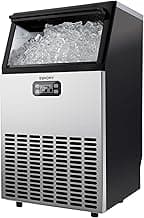
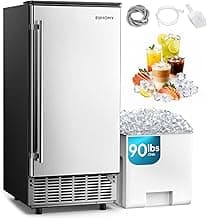
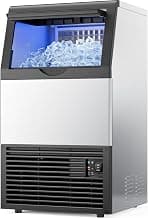
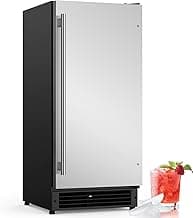
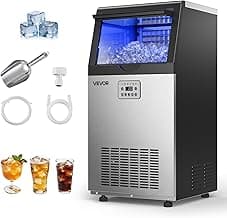
The Engineering of Clarity: Why Best Built In Ice Makers Surpass Refrigerators
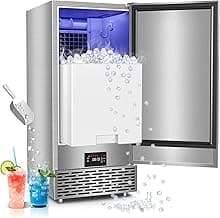
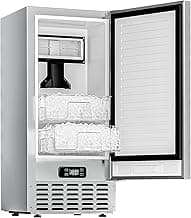
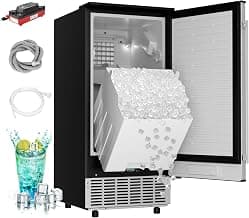
The technical superiority of dedicated ice machines lies in the "directional freezing" process. In a standard freezer, water freezes from the outside in, trapping air and minerals in the center, resulting in cloudy, brittle ice that melts quickly and alters the flavor of beverages. The best built in ice makers use a vertical or horizontal evaporator plate where water is constantly cascaded over a chilled surface. Only the purest water molecules freeze first, while impurities and air are washed away, creating "gourmet" or "clear" ice. This density ensures a slower melt rate, which is critical for maintaining the integrity of high-end spirits.
For those looking for the best gift ideas for housewarming, gifting a built-in unit provides a lifetime of utility. However, the buyer must distinguish between clear ice and "nugget" ice. While clear ice is the standard for luxury bars, many users prefer the "sonic" style ice found in a best countertop nugget ice maker. A built-in version of a nugget machine offers that same chewable texture but with the high-capacity output and seamless look of a permanent appliance.
Technical Comparison of Ice Production Methods
To help you navigate the landscape of high-end cooling, the following table breaks down the mechanical differences between the three primary types of ice produced by built-in units.
| Ice Type | Mechanical Process | Primary Use Case | Gifting Suitability |
|---|---|---|---|
| Clear/Gourmet | Cascading water over a vertical evaporator plate. | Premium cocktails, neat spirits, high-clarity aesthetics. | Best for the "Executive" or home bartender. |
| Nugget/Sonic | Auger system compacting ice flakes into cylinders. | Chewable ice, sodas, blended drinks, therapeutic use. | Best for families and those with "ice-eating" habits. |
| Crescent | Traditional mold-fill system with internal heaters. | General household use, large gatherings, bulk cooling. | Best for high-volume utility in a basement or garage bar. |
Principle of Multi-dimensional User Empathy: Who is the Recipient?
A mechanical engineer or a professional analyst knows that the "best" product is entirely dependent on the user's physical environment. For a resident in a luxury urban condo, the decibel rating of the compressor and the vibration of the harvest cycle are the most critical factors. A machine that produces 50 pounds of ice a day is useless if the noise prevents conversation in an open-concept living area. Conversely, for a large estate with an outdoor kitchen, the insulation thickness and the ability of the unit to operate in high-ambient temperatures take precedence.
When searching for the best gift ideas for a woman or a man who manages a sophisticated household, the ease of maintenance is paramount. Many units feature "cleaning required" indicators, but the truly premium models include automated descaling cycles. Because built-in units are hard-plumbed, mineral buildup (scaling) is the leading cause of mechanical failure. A gift that requires the recipient to spend hours with a screwdriver and vinegar every three months is a burden, not a luxury.
The Buy It For Life (BIFL) Philosophy: Hidden Costs and Durability
As an expert in appliance longevity, I must warn against "budget" built-in units that utilize unserviceable, sealed systems. These are essentially disposable appliances with a 3-to-5-year lifespan. The best built in ice makers are modular. This means the water valve, the fan motor, and the control board can be replaced independently. Before purchasing, verify the availability of third-party replacement parts and the accessibility of the condenser coil for cleaning.
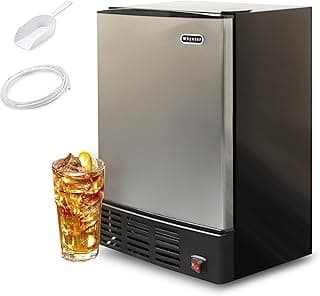
There are also hidden operational costs to consider. A built-in unit is often a "thermal drain." Because these machines are usually not refrigerated (the bin is insulated but not actively cooled), the ice is constantly melting and being replaced. This ensures the ice is always "fresh" and prevents clumping, but it results in higher water and electricity consumption. For a more compact and perhaps more manageable gift, one might consider the best bar ice maker, which often offers a smaller footprint and lower utility draw.
Integration and Professional Considerations
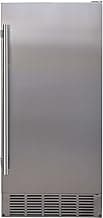
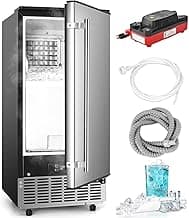
In professional circles, one might ask what is a good executive gift that carries both weight and utility. A built-in ice maker, particularly one that offers the best clear ice maker for home bar experience, fits this criteria perfectly. However, the "gravity drain" versus "pump drain" dilemma is a technical hurdle that must be solved. If the recipient's kitchen does not have a floor drain directly beneath the appliance, you must ensure the unit comes with a built-in condensate pump. Without this, the installation costs could triple, as it would require significant plumbing modifications to the home.
Gifting tech is about more than specifications; it is about upgrading the recipient's window to the digital world, ensuring every frame is a testament to quality.
Frequently Asked Questions: Direct Answer Framework
Do built-in ice makers keep the ice frozen like a freezer?
No, most high-end built-in ice makers do not have a refrigerated storage bin; they rely on high-density thermal insulation to slow melting. This "constant melt" cycle is intentional, as it ensures that the ice cubes remain separate and do not freeze into a single solid block, while also allowing the machine to flush out minerals that would otherwise cause cloudy ice.
Can I install a built-in ice maker myself?
No, professional installation is strongly recommended because these units require a dedicated water line, a specific electrical circuit, and a drainage system (either gravity or pump-assisted). Improper installation can lead to catastrophic water damage or void the manufacturer's warranty on the compressor.
How often does a built-in ice maker need to be cleaned?
Every six months is the industry standard for professional maintenance, though homes with "hard water" may require cleaning every three months. Failure to descale the evaporator plate will eventually lead to reduced ice production, smaller cubes, and eventual mechanical failure of the harvest drive.
What is the difference between a built-in and a freestanding unit?
The primary difference is the ventilation system; built-in units feature front-facing vents that allow them to be "zero-clearance" tucked into cabinetry. Freestanding units vent from the back or sides and will overheat and fail if they are enclosed without significant airflow.
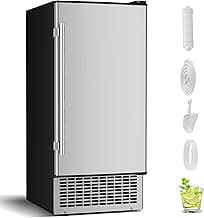
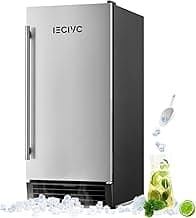
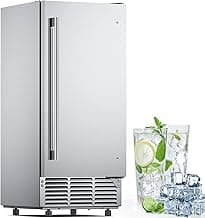
Ultimately, selecting from the best built in ice makers requires a technical mindset. It is an investment in the home's infrastructure and the recipient's quality of life. By focusing on repairability, ice clarity, and the specific drainage needs of the installation site, you ensure that your gift remains a centerpiece of the home for decades rather than a short-lived convenience.