
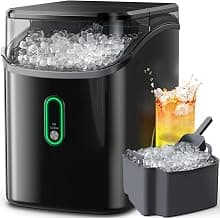
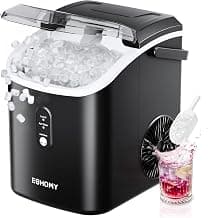
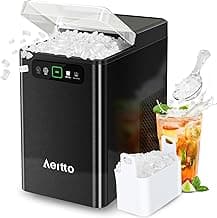

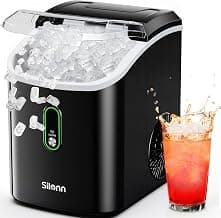
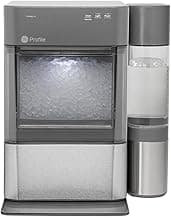
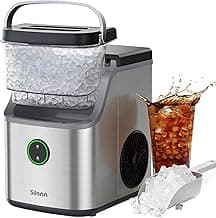
The Mechanical Reality of Nugget Ice Production
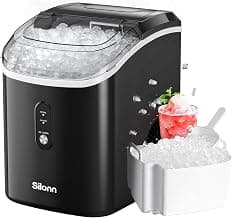
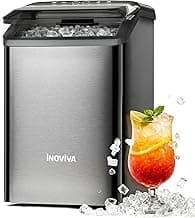
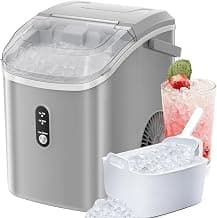
While marketing materials often focus on the "crunch," a savvy consumer must look at the internal components. Standard ice makers use a tray-and-mold system, which is mechanically simple but produces hard, clear ice. A chewable ice maker, conversely, utilizes a continuous-cycle extrusion process. This involves a motor-driven stainless steel auger. The efficiency of this motor and the quality of the seals determine the machine's lifespan. Cheaply manufactured units often suffer from "squealing" after six months of use—a symptom of bearing failure caused by poor lubrication or mineral intrusion. When considering what to buy for someone who has a new home, prioritizing a machine with a heavy-duty gearbox and a self-cleaning cycle is essential for long-term satisfaction.
Gifting tech is about more than specifications; it is about upgrading the recipient's window to the digital world, ensuring every frame is a testament to quality.
Analyzing the Best Chewable Ice Maker for Different Living Conditions
Not every user has the same physical requirements or spatial constraints. A multi-dimensional analysis requires us to look beyond the ice capacity per day. For example, elderly users or those with limited grip strength should look for models with front-loading reservoirs or units that can be side-plumbed to a water line, eliminating the need to lift heavy water tanks. Similarly, for those living in small urban apartments, the decibel rating of the cooling fan and the vibration of the internal compressor are critical. A machine that produces 30 pounds of ice but sounds like a commercial jet engine is a poor choice for open-concept living spaces.
If the recipient is a professional host, they might require more than just a countertop unit. In such cases, exploring the best built in ice maker options or a specialized best bar ice maker may be more appropriate for seamless integration into cabinetry. These units often feature better insulation, reducing the frequency of the "melt-and-refreeze" cycle that can lead to clumping.
Technical Specifications Comparison
To help you distinguish between a novelty appliance and a professional-grade tool, consider the technical variables in the table below:
| Feature | Budget/Entry-Level | Premium/Expert-Grade | Impact on User Experience |
|---|---|---|---|
| Cooling Mechanism | Standard Fan/Radiator | High-Efficiency Side-Ventilation | Determines noise levels and clearance needed. |
| Auger Material | Plastic or Thin Steel | Industrial-Grade Stainless Steel | Directly affects the "chewability" and longevity. |
| Cleaning Cycle | Manual Flush Only | One-Touch Descaling Program | Prevents bio-film (slime) and mineral buildup. |
| Insulation Depth | Minimal (Ice melts quickly) | High-Density Polyurethane | Reduces energy consumption and noise frequency. |
The "Buy It For Life" Philosophy and Hidden Costs
As an independent product testing expert, I must warn against the trend of "disposable" kitchen gadgets. The primary enemy of the best chewable ice maker is scale—the calcium and magnesium deposits found in tap water. Without a strict maintenance schedule, even a high-end machine will fail within two years. When selecting this as a gift, you are also gifting a maintenance responsibility. A truly thoughtful approach involves including a high-quality external water filter and a year's supply of citric acid-based descaling solution.
Repairability is another critical factor. Many modern "smart" appliances are sealed units; if the internal pump fails, the entire machine becomes e-waste. We recommend looking for brands that provide exploded-view parts diagrams and sell replacement sensors and seals independently. Education is what is the greatest gift to give, so informing the recipient about the importance of using distilled or filtered water will ensure the machine remains a centerpiece of their kitchen for a decade rather than a season.
Addressing Specific Needs: From Mixology to Hydration
The "Home Mixologist" persona requires a machine that can keep up with rapid-fire cocktail preparation during a party. For them, the "recovery time"—how fast the machine starts producing ice after the bin is emptied—is the most vital metric. Conversely, the "Hydration Enthusiast," who uses nugget ice in a large vacuum-insulated tumbler throughout the workday, cares more about the density of the nuggets. If the nuggets are too soft, they melt instantly; if they are too hard, they lose the "chewable" appeal. For these users, a best countertop nugget ice maker with adjustable density settings is the gold standard.
Maintenance and Energy Consumption
Nugget ice machines are not "set and forget" appliances. Because the ice is porous, it can absorb odors from the kitchen environment if the air filter is not cleaned. Furthermore, because these machines must run a motor and a compressor simultaneously, they have a higher peak energy draw than standard refrigerators. A modular design that allows the user to easily remove the ice bin for a deep soak in a sanitizing solution is a non-negotiable feature for anyone concerned with household hygiene.
Frequently Asked Questions
Is chewable ice just "crushed" ice? No. Crushed ice is made by breaking larger cubes, resulting in sharp, uneven shards. Chewable nugget ice is created by compressing fine ice flakes into a uniform, soft cylinder that is easy on the teeth.
Can I use tap water in my chewable ice maker? While possible, it is not recommended. Tap water contains minerals that will eventually crystallize on the auger and internal sensors, leading to mechanical failure. Using filtered or distilled water significantly extends the machine's operational life.
How often should I clean the machine? Most engineering standards suggest a deep descale every 2 to 4 weeks depending on water hardness. Neglecting this can lead to a buildup of "white mold" or mineral scale that is difficult to remove once established.
Why are these machines more expensive than regular ice makers? The cost reflects the precision engineering required for the auger and the high-torque motor needed to compress ice flakes into pellets. It is a more demanding physical process than simply freezing water in a tray.
Selecting the best chewable ice maker is an exercise in balancing sensory pleasure with mechanical durability. By moving away from hyperbolic marketing and focusing on the BIFL (Buy It For Life) principles of motor quality, insulation, and repairability, you can ensure that this premium gift provides lasting value. Whether for a friend's new home or a personal kitchen upgrade, the right machine turns a simple glass of water into a refined experience.