


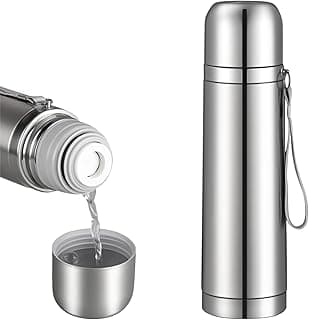
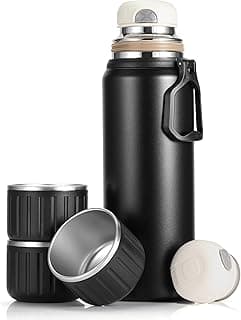
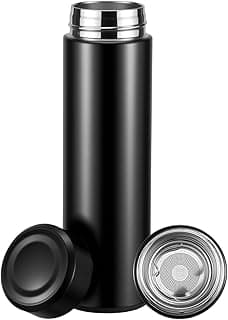
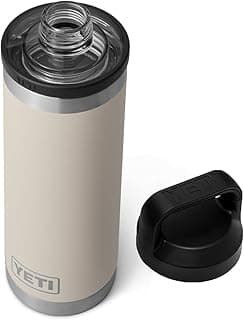
Understanding Vacuum Insulation: Why It Actually Works
Vacuum between double walls eliminates conduction and convection—heat transfer requiring matter to occur, so removing air from space between inner and outer walls leaves nothing for heat to travel through. This near-vacuum proves why vacuum bottles dramatically outperform foam or air-insulated alternatives attempting similar goal through different physics that prove far less effective when compared directly under identical conditions revealing vacuum's superiority isn't marketing but genuine physical advantage that thermodynamics confirms through measurable performance differences.
However, "vacuum" proves relative term—perfect vacuum remains impossible in consumer products, so manufacturers create partial vacuum reducing air pressure dramatically without achieving absolute vacuum that would require more sophisticated manufacturing than consumer price points justify. The remaining trace gases still permit some heat transfer but reduce it so dramatically compared to atmospheric pressure that practical performance proves exceptional despite imperfect vacuum technically allowing some thermal conductivity theoretically preventing but practically minimizing to negligible levels.
Radiation remains transfer pathway—even perfect vacuum can't prevent infrared radiation carrying heat across empty space, which is why some premium bottles add reflective coatings to inner walls bouncing thermal radiation back rather than allowing it radiating across vacuum gap. However, radiation proves minor heat loss mechanism compared to conduction and convection that vacuum eliminates, making reflective coatings marginal improvement that premium prices must justify through other features when thermal performance gains prove modest despite sounding technically sophisticated.
Lid design determines overall effectiveness—the opening where lid attaches creates thermal bridge allowing heat escape through solid material connecting inner and outer walls. Quality bottles minimize this through thoughtful lid engineering using minimal contact materials and sometimes incorporating additional insulation, but no lid completely eliminates this heat loss pathway making it primary performance differentiator between budget and premium vacuum bottles claiming similar vacuum quality between walls but differing in lid thermal engineering sophistication.
The best vacuum flask optimizes all these factors—achieving good vacuum between walls, minimizing lid heat loss, and using materials and construction preventing other heat transfer pathways from undermining theoretical vacuum insulation performance. The complete system integration determines real-world temperature retention versus just impressive-sounding vacuum specifications that prove incomplete when lid design or manufacturing quality allows heat escaping through pathways marketing materials conveniently omit when emphasizing vacuum technology superiority.
Coffee-Specific Considerations Beyond General Insulation
Coffee temperature preferences prove personal but specific—most people preferring consumption temperature around 140-160°F, cooler than fresh brew temperature but warmer than room temperature creating specific retention requirements. A bottle maintaining coffee at fresh brew 180-190°F for eight hours proves less useful than one delivering gradual cooling to preferred drinking temperature within first hour then maintaining that temperature remaining hours, making thermal performance curves matter more than maximum retention duration when practical use involves progressive consumption rather than storing for eventual single consumption.
Coffee oxidizes affecting flavor—exposure to air causing chemical changes that degrade taste over hours even when temperature maintained perfectly. Vacuum bottles can't prevent this when lid opens for drinking creating air exposure, but minimizing lid opening frequency through drinking directly from bottle rather than pouring preserves flavor longer when reduced oxygen exposure prevents some oxidation that frequent pouring into separate cup accelerates through repeated air exposure cycles.
Material reactivity affects taste—stainless steel inner walls proving inert don't impart flavors, while some cheaper bottles using inferior metals or inadequate coatings potentially reacting with coffee acids creating metallic taste that ruins carefully-prepared beverage. The material quality proves invisible until flavor impact becomes obvious, making it critical consideration when coffee taste sensitivity matters beyond just temperature retention that dominates marketing emphasis without addressing flavor preservation equally important to coffee experience.
Aromatics matter to coffee experience—opening bottle and smelling coffee before drinking proves part of enjoyment that sealed vacuum preservation can diminish through preventing aroma release until opened. This trade-off between maximum preservation and experiential pleasure means some coffee enthusiasts preferring drinking from open mugs accepting faster cooling for maintained aroma accessibility versus sealed bottles optimizing temperature at cost of sealed-in aromatics until consumption moment when temperature advantages prove more important than continuous aroma presence during drinking session.
[H2 CHỜ ĐỂ CHÈN TABLE SẢN PHẨM]
Who Actually Benefits From Premium Vacuum Bottles
Commuters spending hours between home and office: Those whose morning preparation to actual coffee consumption spans 30-90 minutes through driving, parking, walking, elevator rides creating extended time when coffee cools in regular containers. For these users, vacuum bottle transforms commute experience enabling enjoying hot coffee upon arrival rather than accepting lukewarm resignation that commute duration previously made inevitable when inadequate insulation allowed rapid heat loss.
Outdoor workers and field professionals: Construction workers, landscapers, utility technicians whose workdays span hours without access to coffee refreshment requiring their morning thermos lasting until lunch. The extended duration demands superior insulation when 6-8 hour retention proves functional requirement rather than nice-to-have feature that office workers with break room access don't depend on the way field workers rely on equipment maintaining beverage temperature through full shift without refill opportunity.
Road trip and camping enthusiasts: Those spending extended time away from conventional beverage preparation requiring portable solution maintaining temperature through activities where refreshment availability proves limited. The vacuum bottle enables bringing preferred beverages enjoying proper temperature rather than accepting whatever gas stations or camp facilities offer when self-sufficiency through proper equipment provides better experience than dependent on external commercial options might deliver.
Office workers avoiding break room coffee: Professionals preferring home-prepared coffee quality over office provisions wanting sustained temperature through morning meetings and work sessions. The bottle enables bringing superior home-brewed coffee maintaining quality rather than compromising on break room options when preference for specific preparation or roast makes bringing own coffee worthwhile investment in daily work experience quality despite inconvenience transporting liquids requiring proper equipment preventing spills and temperature loss.
For those watching friends constantly microwaving cold coffee or complaining about temperature loss during commutes, understanding vacuum bottle benefits demonstrates practical support. When considering practical gifts for men starting new commutes or thoughtful presents for women whose work situations demand sustained beverage temperature, quality vacuum bottles prove genuinely valuable addressing daily recurring frustration that appropriate equipment eliminates entirely through proper thermal engineering serving actual needs.
Brand Quality Tiers: What Premiums Actually Buy
Budget vacuum bottles ($15-30) deliver basic insulation—adequate for 4-6 hour retention under normal conditions representing sufficient performance for many users whose needs don't demand absolute maximum retention or premium construction. These prove entirely serviceable when expectations align with capability creating satisfaction despite lacking features or longevity that premium alternatives provide justifying higher prices through superior performance or durability extending ownership value across years versus shorter lifecycle budget construction delivers.
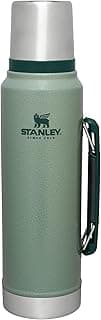
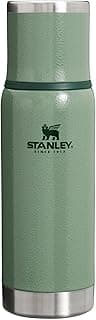
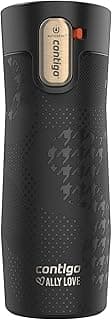
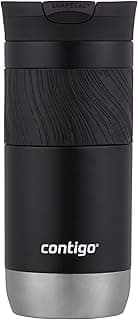
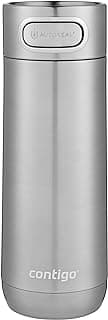
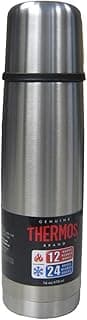
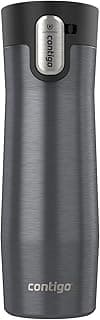
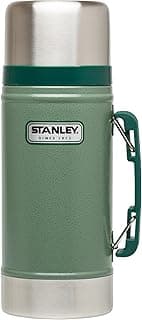
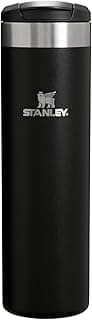
Mid-range quality ($35-60) represents sweet spot for most users—brands like Contigo, Thermos, Stanley delivering genuine performance within accessible pricing creating value proposition serving typical needs without premium features providing marginal improvement insufficient justifying substantial price increase. The best vacuum bottle for most people occupies this tier through balancing adequate capability with reasonable cost creating purchase decision most users feel satisfied with versus budget inadequacy or premium excess neither serving actual needs optimally.
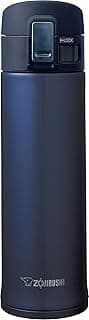
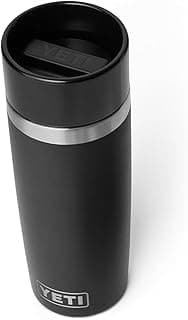
Premium brands ($60-150+) like Yeti, Hydro Flask, Zojirushi deliver maximum retention, superior construction, and comprehensive warranties justifying investment for users whose usage intensity or preference for absolute best justifies premium. However, diminishing returns prove real—premium $100 bottle might maintain temperature only 10-15% longer than quality $50 alternative making 2x price premium deliver marginal absolute improvement that percentage improvements suggest more impressive than actual experience reveals during daily use.
The best vacuum flask brand depends on your priorities—if maximum retention matters regardless of cost, Zojirushi or Stanley legendary series deliver. If value matters, Thermos or Contigo deliver 85-90% of premium performance at 40-60% of premium prices. If durability in extreme conditions matters, Yeti justifies premium through construction surviving abuse that breaks lesser bottles. The "best" proves contextual to actual needs rather than universal when different users facing different priorities and budgets find different optimizations serving their specific situations most effectively.
Capacity Selection: Bigger Isn't Always Better
Small formats (12-16 oz) suit single serving portable use—fitting cup holders, backpack side pockets, and providing enough for single consumption session without excess creating lukewarm remainder wasted or requiring consuming beyond actual thirst. The compact size enables carrying everywhere making it actually used versus larger formats staying home through portability burden that defeats purpose of portable hydration when size makes transport sufficiently inconvenient that bottle stays unused despite capability.
Medium sizes (20-32 oz) prove most versatile—adequate for extended periods while remaining reasonably portable fitting most bags and vehicle holders. This range serves most users most of time through balancing capacity with transportability creating practical middle ground between compact convenience and extended supply that extremes optimize differently while medium capacity serves adequately without major compromises either direction creates.
Large formats (40+ oz) suit specific situations—long workdays, group sharing, or extreme outdoor activities where carrying extra weight justifies extended supply security. However, these prove burdensome for general daily carry making them specialized tools for particular scenarios rather than everyday companions lighter formats enable through reduced carrying burden creating actual sustained use versus occasional deployment when specific situations demand capacity that normal daily patterns don't require.
Multiple sizes serve different needs—rather than seeking universal "best" capacity, maintaining 12 oz for light daily carry, 20 oz for work/commute, and 40 oz for outdoor activities enables optimization by context rather than compromise attempting single size serving all situations adequately but none optimally when varied use cases benefit from specialized sizing matching specific requirements.
Mouth Opening Size: The Overlooked Critical Factor
Wide mouth enables ice cubes and cleaning—large opening (typically 2+ inches) allowing ice fitting through mouth for cold beverages plus easy hand or brush access for thorough cleaning. However, wide mouth creates drinking challenges for hot beverages where liquid flow proves difficult controlling creating spill risks or awkward tilting angles that narrow openings avoid through regulated flow that wide openings can't match despite other advantages wide design provides.
Narrow mouth optimizes drinking—controlled flow preventing splashing and enabling comfortable drinking angle that wide mouth designs struggle matching despite attempting through lid designs that never quite solve fundamental physics of large opening creating difficult flow control during tipping motion. The drinking experience superiority makes narrow mouth preferred for hot beverages specifically where controlled sipping matters more than ice addition or cleaning convenience that cold beverage users prioritize differently.
Some bottles offer both—removable inner plugs reducing effective opening size from wide cleaning access to narrow drinking opening, though adding component complexity and potential loss of small parts that integrated designs avoid. The versatility proves valuable when single bottle serves multiple beverages requiring different opening characteristics, though complication some users prefer avoiding through maintaining separate bottles optimized for specific uses rather than compromise attempting universal solution.
The best vacuum flask thermos for coffee specifically favors narrow mouth—the controlled pour and comfortable drinking angle proving more important than cleaning convenience when coffee consumption experience takes priority over operational simplicity that cold beverages users might prioritize differently. However, this requires accepting cleaning challenges that wide mouth bottles avoid through direct access enabling thorough cleaning that narrow openings make more difficult despite superior drinking experience narrow design delivers.
The perfect vacuum bottle doesn't exist—just designs optimizing different trade-offs that matter differently to different users, making "best" prove entirely personal based on which compromises align with your specific use patterns and priorities.
Hot vs Cold: Performance Differences That Matter
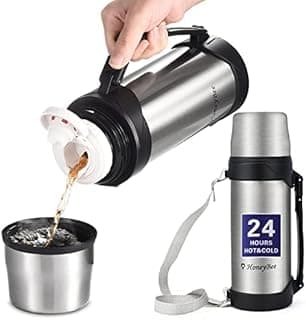
Heat retention proves easier than cold retention—thermodynamically, preventing heat escape from hot liquid proves simpler than preventing heat absorption into cold liquid when ambient temperature sits closer to cold beverage temperature than hot beverage temperature creating different thermal gradient challenges. This means bottles claiming "24 hour hot, 48 hour cold" actually reflect physics rather than just marketing number inflation when cold retention genuinely proving superior under identical insulation conditions.
However, cold beverages face condensation—moisture accumulating on exterior of cold bottles creating annoyance and potential damage to bags or surfaces that hot bottles avoid. Quality bottles prevent this through effective insulation maintaining outer wall near ambient temperature, but imperfect vacuum or poor lid seal allowing cold reaching outer wall creates condensation problems that reveal insulation inadequacy invisible when using for hot beverages only.
Preheating or precooling improves performance—filling bottle with boiling water or ice water before adding actual beverage pre-conditions bottle to desired temperature reducing the thermal load beverage must overcome in reaching equilibrium. This technique proves particularly valuable first thing morning or when maximum retention matters, though adding operational step many users skip despite effectiveness when convenience trumps optimizing performance that pre-conditioning enables.
Material Quality: Stainless Steel Grades Matter
18/8 stainless steel proves industry standard—containing 18% chromium and 8% nickel providing corrosion resistance and durability without excessive cost. This grade serves adequately for most applications through proven track record across millions of bottles providing reliable service without material-related failures that inferior grades create through inadequate corrosion resistance or structural weaknesses.
304 and 316 grades offer premium options—enhanced corrosion resistance particularly valuable for coastal environments or users adding acidic beverages potentially challenging lesser grades. However, premium grades cost more without delivering meaningful performance improvement for typical users in normal environments making grade premium prove unjustifiable luxury funding theoretical improvement that practical use never reveals through conditions never stressing material beyond what standard 18/8 handles perfectly adequately.
Interior finish affects flavor—food-grade electropolishing creating smooth non-reactive surface preventing flavor absorption or transfer that rougher finishes potentially create through providing surface area where flavors might accumulate affecting subsequent beverages. However, finish quality proves difficult assessing without laboratory testing or extensive use experience making it consideration requiring brand trust rather than visual inspection determining adequacy during purchase evaluation.
Lid Complexity: Balancing Function and Reliability
Simple screw lids prove most reliable—fewer components mean fewer failure points and easier cleaning despite requiring two-handed opening and lacking one-touch convenience that complex lids attempt providing through mechanisms that prove convenient when working but frustrating when failing or requiring complicated cleaning maintaining functionality. The simplicity delivers sustained reliability that complexity sacrifices for initial convenience that proves less valuable when maintenance burden or mechanical failure undermines operational advantages sophisticated design theoretically provides.
Flip-top and button-release lids enable one-handed operation—valuable when driving or working requiring maintaining hold on bottle while drinking. However, these add mechanical complexity and cleaning challenges through small crevices and moving parts accumulating residue that simple screw lids avoid. The convenience proves genuine when mechanisms work properly but creates frustration when buildup affects operation or components break requiring replacement that integrated simple designs don't need through avoiding complexity that sophistication introduces.
Some manufacturers offer interchangeable lids—enabling switching between simple reliability for thorough cleaning and sophisticated convenience for daily use. This modularity proves ideal when multiple lids serve different scenarios, though requiring purchasing and tracking multiple components that some users find excessive when single-lid simplicity proves adequate despite operational compromises integrated designs force accepting versus modular approach that enables optimization by context.
When Vacuum Bottles Actually Underperform
Very short duration doesn't justify vacuum—if coffee gets consumed within 30-60 minutes, regular insulated mug delivers adequate retention at fraction of cost and weight making vacuum bottle prove overkill when situation doesn't demand extended retention that vacuum technology enables. The investment only proves worthwhile when duration demands exceeding what simpler insulation provides making vacuum's superior performance translate into actual user benefit versus theoretical superiority never manifesting as practical advantage during actual use patterns.
Frequent opening defeats insulation—repeatedly opening bottle to drink releases heat and introduces cold air undermining insulation effectiveness regardless of quality when behavior creating constant thermal disruption that no insulation can overcome. Users sipping continuously rather than consuming in single session might benefit more from heated mug on desk versus portable thermos whose portability proves unused while insulation gets undermined through constant opening that enclosed preservation attempts prove incompatible with actual consumption pattern.
Extreme temperatures challenge materials—bottles designed for typical coffee or cold drink temperatures sometimes struggling with boiling water or dry ice creating thermal stress beyond design parameters. Users attempting extreme applications should verify specifications rather than assuming vacuum bottle universally handles all temperature extremes when actual design optimization targets typical beverage temperatures that extreme conditions exceed creating potential damage or reduced performance from use beyond intended parameters.
The Fake Vacuum Bottle Problem
Some cheap bottles claim vacuum insulation falsely—using double-wall construction without actual vacuum between walls creating appearance of vacuum bottle while delivering only marginal improvement over single-wall designs. The deception proves difficult detecting visually when construction looks similar but performance reveals inadequacy through rapid temperature loss that genuine vacuum prevents. The prevalence of counterfeit or falsely-marketed bottles makes brand reputation valuable indicator when visual inspection or specifications can't verify actual vacuum quality.
Weight provides imperfect clue—genuine vacuum bottles weigh less than similar non-vacuum double-wall bottles because vacuum replaces air that has mass. However, weight differences prove subtle and vary with materials making definitive identification difficult without testing. The most reliable verification involves purchasing from reputable retailers and known manufacturers rather than no-name products making impressive performance claims at suspiciously low prices suggesting too-good-to-be-true deals that prove exactly that when performance fails matching legitimate vacuum bottle capabilities.
Gift Considerations: When Vacuum Bottles Make Sense
Commuter lifestyle changes: Someone starting new job requiring longer commute deserves quality vacuum bottle enabling sustained coffee quality through extended transit time. Recognition that lifestyle change creates new equipment needs demonstrates thoughtful attention to their specific situation changes rather than generic gift disconnected from actual life circumstances affecting daily experience that appropriate equipment addresses.
Outdoor hobby development: Friends taking up hiking, camping, or outdoor activities requiring portable hydration deserves equipment matching their new pursuits. Timing gift to hobby adoption supports their interest through practical tools enabling sustained engagement versus just congratulating new interest without providing infrastructure that successful hobby participation demands creating either additional purchase burden or accepting inadequate equipment compromising experience.
Health and wellness initiatives: Those committing to reducing disposable cup use or improving hydration through bringing own beverages. Support for environmental or health goals proves more meaningful than just verbal encouragement when practical tools enable actually achieving stated objectives that good intentions alone prove insufficient sustaining without appropriate equipment that removes friction enabling success versus accepting defeat when inadequate tools undermine commitment despite genuine desire achieving goals.
Office return after remote work: Professionals going back to offices after extended home work discovering commute and office environment creating beverage temperature challenges home life didn't involve. Recognition that return-to-office creates resumed challenges they'd forgotten during remote period demonstrates empathy about transition difficulties beyond just congratulating return when actually supporting practical adaptation requiring equipment addressing renewed challenges that home environment didn't create during remote period making them feel foreign again.
For comprehensive gift thinking beyond single items, explore milestone gift options addressing complete life situations rather than isolated needs when comprehensive support proves more meaningful than piecemeal solutions.
Cleaning and Maintenance Reality
Daily rinsing prevents buildup—immediately cleaning after use preventing residue establishment that hardens into difficult-removing stains or odors that develop from neglected organic material accumulating in warm moist environment perfect for bacterial growth. The daily discipline proves less burdensome than periodic deep cleaning addressing neglect accumulation that simple immediate attention would have prevented entirely through consistent minimal effort versus occasional intensive remediation requirements.
However, coffee and tea cause staining—tannins and oils from these beverages creating persistent discoloration that regular rinsing doesn't prevent despite preventing sanitation concerns. The staining proves cosmetic not functional, but bothers some users more than others determining whether accepting discoloration as use patina or pursuing removal through abrasive cleaning that might scratch interior finish creating worse problems than staining represents aesthetically.
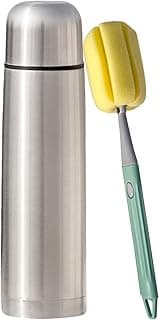
Baking soda and vinegar prove effective cleaners—natural solutions dissolving organic buildup without harsh chemicals potentially damaging bottle or leaving residue affecting taste. However, narrow bottles require bottle brushes accessing full interior surface that wider openings enable hand cleaning but narrow openings make difficult without dedicated tools that wide mouth bottles avoid needing through direct access enabling thorough manual cleaning narrow designs can't match without specialized tools.
The Warranty and Durability Consideration
Lifetime warranties indicate manufacturer confidence—brands like Stanley offering generations-spanning warranties reflecting genuine belief in product durability through proven track record creating confidence that marketing alone can't establish without operational history backing claims. However, lifetime warranties prove worthless if company disappears making modern startup claims less valuable than established brands whose corporate longevity suggests they'll exist honoring warranties decades hence when startup might have already ceased operations.
However, warranties have exclusions—normal wear, misuse, or damage from accidents typically excluded making coverage less comprehensive than "lifetime" implies when fine print reveals limitations creating gaps between warranty headline and actual protection scope that careful reading discovers before problems arise requiring understanding whether specific situation qualifies for coverage or falls within exclusions that marketing de-emphasizes during purchase consideration.
Repairability matters more than warranty—bottles with replaceable parts like lid seals or components enabling user repair without manufacturer involvement prove more sustainable than sealed designs requiring complete replacement when single component fails. However, user-serviceable designs prove rarer in vacuum bottles than desirable when most manufacturers preferring customers purchasing replacements over enabling DIY repairs that prove more environmentally friendly and economical for users but less profitable for manufacturers whose business models depend on product replacement rather than repair.
Reading Vacuum Bottle Reviews Strategically
Temperature testing methodology matters—reviewers filling bottles with temperature-measured water then testing hours later provide useful data, while those just reporting "kept coffee hot all day" offer subjective impressions lacking verification that claims match actual measured performance. Look for specific temperature measurements over time rather than general satisfaction statements when evaluating actual thermal performance versus just general positive impressions that might reflect low standards rather than genuine excellence.
Long-term durability reports prove most valuable—reviews from users reporting "still perfect after 2 years daily use" validate manufacturer quality claims better than enthusiastic initial impressions. The sustained performance indicates quality surviving long enough that early enthusiasm proven accurate through years of operation versus premature failures revealing manufacturing shortcuts or design weaknesses that short-term reviews miss through insufficient exposure duration revealing problems that time makes obvious.
Usage context matching yours matters—reviews from office workers drinking coffee provide different relevant information than outdoor enthusiasts using for camping, making finding reviews from users whose situations match yours essential getting applicable information. Generic positive reviews from incomparable users prove less useful than specific context-matched feedback revealing whether product serves your particular needs versus just working well for applications that differ from yours requiring different optimization priorities.
Temperature retention proves measurable objectively—but whether that retention matters enough justifying vacuum bottle investment versus simpler alternatives proves entirely personal based on your actual beverage consumption patterns and preferences that specifications alone can't determine.
Alternative Approaches When Vacuum Proves Unnecessary
Ceramic travel mugs offer flavor-neutral option—avoiding any metallic taste concerns while providing adequate insulation for shorter durations like commutes under hour. The ceramic interior proves completely inert unlike stainless steel that high-quality versions make negligible factor but budget alternatives sometimes create concerns through questionable inner coatings or inferior metal grades that ceramic construction definitively avoids.
Heated travel mugs using batteries—maintaining temperature through active heating rather than passive insulation enabling sustained temperature regardless of ambient conditions or duration. However, these require charging, prove heavier, cost more, and create electronic waste when batteries fail making them niche solutions for users whose specific needs justify technological complexity versus passive insulation proving adequate for most applications without electronic complications heated designs introduce.
Simply accepting temperature change—some users preferring drinking coffee at various temperatures through consumption session finding pleasure in experiencing flavor evolution as temperature drops revealing different notes that uniform maintained temperature prevents appreciating. This philosophy makes vacuum bottles prove contrary to enjoyment goals when temperature preservation prevents experience diversity these users deliberately seek through accepting natural cooling as feature rather than bug their equipment actively prevents.
Environmental Impact of Vacuum Bottle Choices
Single vacuum bottle replacing thousands of disposable cups—environmental calculation strongly favoring reusable bottle over disposables when lifecycle analysis includes both manufacturing impact and use-phase impact comparing single durable bottle manufacturing cost against thousands of disposable cup manufacturing plus disposal costs creating overwhelming environmental advantage for reusables despite higher initial resource investment in manufacturing durable product.
However, unused bottles create waste—purchasing vacuum bottle that stays unused proves worse environmentally than continuing disposable use that gets eliminated through actual behavior change rather than just equipment acquisition without behavioral modification. The environmental benefit only realizes through actual sustained use replacing disposables rather than joining collection of well-intentioned purchases that never achieve actual use displacing previous behaviors creating net environmental improvement.
Durability determines environmental value—bottle lasting 10 years delivering far better environmental return than one lasting 2 years requiring replacement despite lower initial cost making durability critical environmental consideration beyond just purchase price when lifecycle perspective reveals quality construction enabling sustained use proves more environmentally sound than cheap frequent replacement despite per-unit cost appearing more economical at purchase moment.
The Psychology of Temperature Maintenance
Hot coffee comfort proves more than physical—psychological satisfaction from knowing beverage maintains proper temperature creates enjoyment beyond just taste experience when security of sustained quality enables relaxing about consumption timing rather than rushing before coffee cools creating anxiety about wasted preparation if consumption delayed. The peace of mind vacuum bottle provides proves genuine benefit beyond just physical temperature retention when psychological comfort matters to overall satisfaction.
However, some users prefer urgency—accepting coffee cools creating motivation consuming it promptly rather than deferring indefinitely when temperature security enables procrastination. For these individuals, cooling coffee provides natural consumption deadline that vacuum bottle elimination of creates removing forcing function that prompted timely drinking they value despite technically preferring coffee warm but actually benefiting from cooling-induced urgency their behavior patterns respond to despite stated temperature preferences.
Success Metrics for Vacuum Bottle Gifts
Success involves daily visible use—seeing recipient actually carrying bottle regularly rather than occasional deployment suggests gift integrated into routine creating sustained value versus just occasional use indicating marginal improvement insufficient changing behavior substantially. The consistent presence indicates convenience and performance meeting needs adequately that sustained use proves worthwhile versus theoretical benefits not materializing into actual behavior change gift-giver hoped enabling.
Reduced disposable cup use proves tangible—environmental or economic motivation realized through actual behavior change that quality bottle enabled through removing friction that inadequate previous equipment created preventing sustained reusable adoption despite good intentions. The measurable reduction in waste or spending validates that gift served practical purpose enabling goals recipient articulated but struggled achieving without appropriate equipment removing barriers their motivation alone couldn't overcome.
Unsolicited positive comments signal satisfaction—when recipients mention unprompted how much they love bottle or recommend to their friends, this word-of-mouth reveals genuine satisfaction beyond just polite appreciation. The authentic enthusiasm that prompts volunteering positive feedback indicates gift exceeded adequate into genuinely valuable category that recipients feel compelled sharing beyond just thanking giver when probed creating social proof that gift selection succeeded matching recipient's needs excellently versus just avoiding disappointment adequately.
Gifts are for making an impression, not just for the sake of it.
GiftsPick - Meticulous, Kind, Objective.