
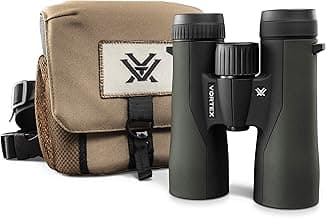
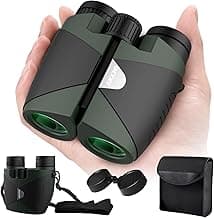
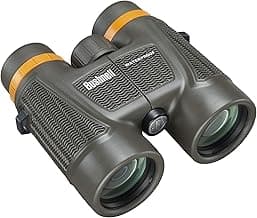
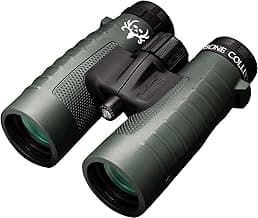
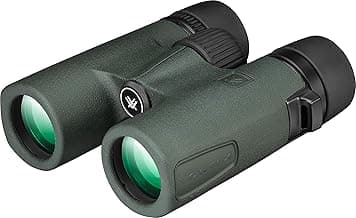
The Physics of Compactness: Why Optical Quality Matters
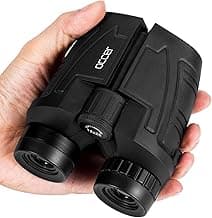
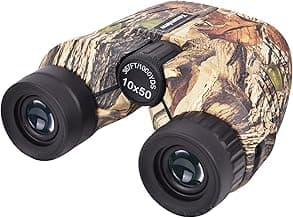
The primary challenge in designing compact binoculars is the physical constraint of the objective lens. While the best 10x50 binoculars for hunting offer a massive 5mm exit pupil for low-light performance, a compact model—typically featuring a 25mm or 28mm objective—must work significantly harder to deliver a bright image. This is where the recipient will notice the difference between budget glass and a premium gift. High-quality compacts utilize dielectric prism coatings and Extra-low Dispersion (ED) glass to minimize chromatic aberration, ensuring that the buck standing in the shadows of a cedar thicket is rendered with sharp contrast rather than a purple-fringed blur.
When curating best gift ideas for him, especially for an active hunter who covers miles of terrain on foot, weight becomes the enemy. A heavy pair of optics around the neck leads to fatigue and cervical strain. The best compact hunting binoculars alleviate this, often weighing less than 12 ounces, yet they must maintain a ruggedized, rubber-armored exterior to withstand the inevitable impacts of field use. It is a gift of utility that respects the physical demands of the hunt.
Comparison of Optical Chassis Materials
The longevity of a pair of binoculars is largely dictated by the material hidden beneath the rubber armor. For those considering what to get a parent that has everything, understanding the structural "bones" of the gift ensures it doesn't become a disposable item after one drop.
| Material Type | Weight Profile | Thermal Stability | Durability Assessment |
|---|---|---|---|
| Polycarbonate | Ultralight | High (Resists expansion) | Prone to structural warping under extreme impact; found in budget tiers. |
| Aluminum Alloy | Moderate | Low (Expands/Contracts) | Standard durability; requires precision sealing to maintain fog-proofing. |
| Magnesium Alloy | Lightweight | High | The "Buy It For Life" choice; highest strength-to-weight ratio for elite hunting optics. |
The "Buy It For Life" (BIFL) Philosophy in Gifting Optics
The marketplace is saturated with "folding" binoculars that appear convenient but possess a fatal flaw: the double-hinge design. Every hinge is a potential point of failure where moisture can ingress or collimation (the alignment of the two barrels) can be lost. When selecting the best compact hunting binoculars, I recommend single-hinge or asymmetric designs that utilize high-tolerance machining. This ensures that the two optical paths remain perfectly parallel for the life of the product.
Gifting tech is about more than specifications; it is about upgrading the recipient's window to the digital world, ensuring every frame is a testament to quality.
Furthermore, one must consider the hidden cost of "cheap" optics. Budget binoculars often use inferior glues that off-gas over time, creating a permanent haze on the internal lens surfaces that cannot be cleaned. A premium gift avoids this by using mechanical spacers and high-grade O-ring seals. While they might cost more upfront than generic gifts for my best friend, the cost-per-year of a high-end magnesium-chassis compact is significantly lower than replacing a polycarbonate pair every three seasons.
Selecting Magnification: 8x vs. 10x for the Field
A common mistake when buying the best compact hunting binoculars is assuming more power is better. In a compact frame, 10x magnification can be difficult to hold steady, especially when the hunter is breathing heavily after a climb. An 8x magnification provides a wider field of view and a larger exit pupil (3.1mm on a 25mm lens vs. 2.5mm on a 10x25), making it much easier to "find" the target quickly. If the recipient spends a lot of time in dense timber, the 8x is the superior choice. If they are glassing across wide canyons, then the 10x becomes a viable, though more specialized, option.
If you are looking for what is a good gift for a girlfriend who enjoys birding or light hiking alongside hunting, the versatility of a high-quality 8x25 compact cannot be overstated. It fits into a jacket pocket or a small pack easily, much like how best backpacking gloves are chosen for their ability to provide protection without adding bulk to a kit.
Essential Features for the Modern Hunter
To qualify as the best compact hunting binoculars, the unit must include several non-negotiable technical features:
- Fully Multi-Coated Lenses: Every air-to-glass surface must have multiple layers of anti-reflective coatings to maximize light transmission.
- Phase-Corrected Prisms: Essential for Roof Prism designs to keep light waves in sync, preventing loss of resolution.
- Long Eye Relief: At least 15mm is required for those who wear glasses to see the full field of view.
- Nitrogen or Argon Purging: This replaces internal air to prevent internal fogging during rapid temperature changes.
For those who prefer a standard size, the best 8x42 binoculars for hunting remain the industry benchmark, but for the specialist who values a minimalist footprint, the compact remains king. This attention to detail is what separates a thoughtful gift from a generic purchase.
Frequently Asked Questions
Are the best compact hunting binoculars waterproof? Yes, high-quality compact hunting optics are O-ring sealed and nitrogen-purged to be fully waterproof and fog-proof; however, "weather-resistant" models should be avoided as they cannot withstand submersion or heavy downpours.
Can I use compact binoculars for low-light hunting at dawn or dusk? No, compact binoculars are not optimized for low light due to their small objective lenses; while they perform admirably in daylight, they cannot compete with the best binos for hunting that feature 42mm or 50mm lenses when the sun is below the horizon.
Why do some compact binoculars cost five times more than others? The price discrepancy is driven by the quality of the glass (ED vs. standard), the precision of the prism coatings (dielectric vs. silver), and the chassis material (magnesium vs. plastic). High-end models offer a lifetime warranty and superior resolution that reduces eye strain during long glassing sessions.
Is 10x magnification too much for a compact binocular? Usually, yes; the 10x magnification in a light, compact body amplifies hand tremors, making the image appear shaky unless the user has a very steady hand or a rest to lean on.
In summary, the best compact hunting binoculars represent a masterclass in engineering trade-offs. By prioritizing lens coatings and chassis durability over raw magnification, you can provide a gift that enhances every outdoor excursion. Whether it is a primary tool for a mountain hunter or a backup set kept in the truck, high-quality compact optics are a testament to the idea that the best things often come in small, rugged packages.