

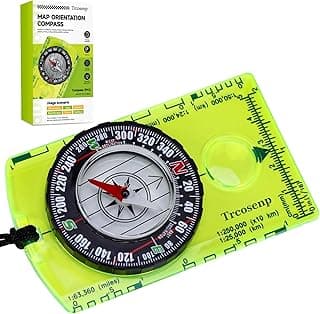
The Mechanics of Direction: Beyond the Needle
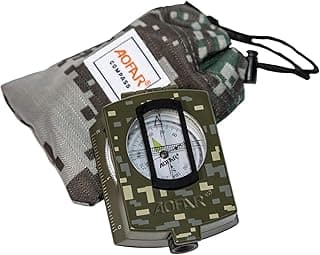
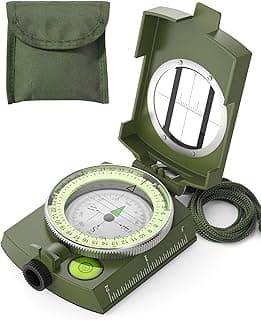
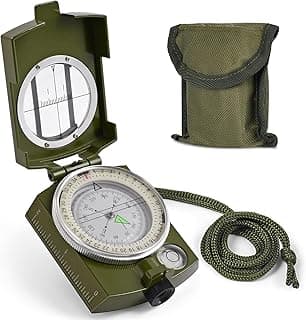
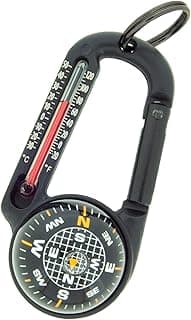
The "best" label is often applied loosely in commercial marketing, but in navigation, it is defined by specific mechanical tolerances. A hunting compass must utilize a global needle or a balanced needle calibrated for a specific magnetic zone. Furthermore, the housing material—typically high-impact acrylic or machined metal—must be resistant to thermal expansion. Cheaper models often develop the "bubble of death," where air enters the liquid-filled capsule due to seal failure in cold climates, hindering the needle's ability to settle accurately.
Gifting tech is about more than specifications; it is about upgrading the recipient's window to the digital world, ensuring every frame is a testament to quality.
While often categorized under best backcountry hunting sleeping bag or other survival essentials, the compass is uniquely stationary in its technology. Unlike electronic gadgets that depreciate the moment a new chip is released, a high-quality analog compass remains functional for decades. This longevity makes it one of the gifts for my best friend that can eventually be passed down through generations, assuming the magnetic needle is not stored near high-intensity neodymium magnets which could reverse its polarity.
User-Centric Selection: Matching the Tool to the Hunter
A multi-dimensional analysis of hunting styles reveals that no single compass suits every environment. The physical limitations of the user, such as the need to operate the device while wearing best hiking gloves, should dictate the bezel design. A small, sleek compass may look attractive, but in sub-zero temperatures, a large, high-torque bezel with aggressive knurling is a non-negotiable requirement for accurate input.
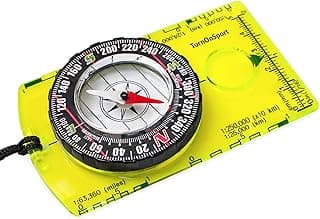
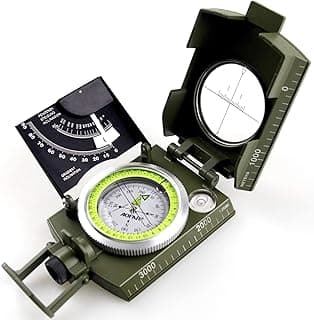
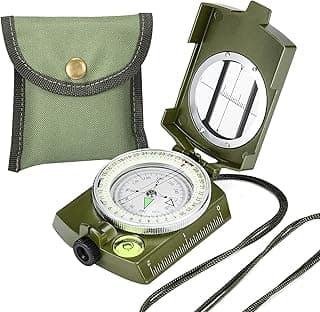
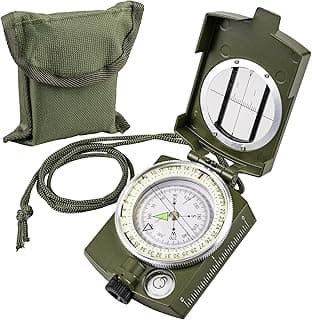
| Feature | Baseplate Compass | Sighting (Mirror) Compass | Lensatic (Military) Compass |
|---|---|---|---|
| Primary Use | Mapping and plotting routes | Precision long-distance sighting | Tactical navigation and durability |
| Technical Advantage | Transparent for map reading | Allows simultaneous sighting and reading | Indestructible metal housing |
| Declination | Usually manual adjustment | Often features tool-less adjustment | Fixed (requires mental math) |
| Weight Profile | Ultralight (approx. 30-50g) | Mid-weight (approx. 70-90g) | Heavy (150g+) |
For the hunter who pairs their navigation with best 10x50 binoculars for hunting to glass ridges, a mirror-sighting compass is indispensable. The mirror allows the user to see the compass dial and the distant landmark simultaneously, reducing parallax error. This level of precision is vital when navigating through dense timber where landmarks are scarce and every degree of deviation matters.
The "Buy It For Life" Philosophy in Navigation
In the world of outdoor gear, the hidden cost of ownership often manifests in the failure of inexpensive equipment at the most inconvenient times. A compass that loses its luminosity (the ability to glow in the dark) after two years is a liability. High-end models use photoluminescent pigments or even tritium vials that remain active for over a decade without requiring a light charge. When discussing what is the greatest gift to give, the answer is often "peace of mind." An instrument that can be repaired or has a lifetime warranty against capsule leaks represents a shift away from "fast consumerism."
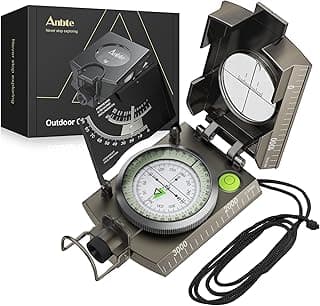
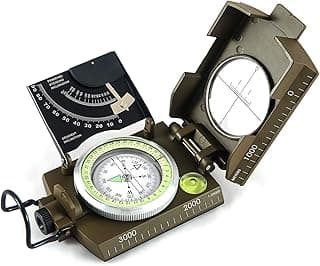
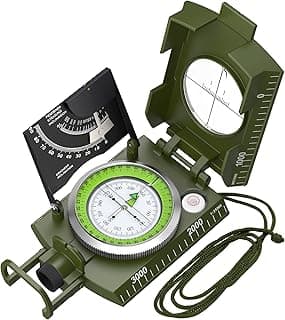
Modular systems, such as those that allow for the replacement of the lanyard or the attachment of a clinometer for measuring slope angles, provide a layer of utility that budget models cannot match. A clinometer is particularly useful for hunters in mountainous terrain to assess avalanche risks or determine the height of a tree for stand placement. These features transform a simple needle-in-a-box into a comprehensive survival computer.
Addressing Common Navigation Questions
Is a smartphone compass as accurate as a magnetic one for hunting?
No, a smartphone's digital compass is significantly less reliable for hunting due to its dependence on battery life and susceptibility to electromagnetic interference from other gear. Digital sensors require frequent calibration and can be "tricked" by local metal objects or internal hardware heat. A magnetic compass relies on the physical laws of the earth's magnetic field, making it inherently more dependable in remote backcountry areas where electronic failure is a high-risk factor.
What is declination adjustment, and why does it matter?
Declination is the angular difference between True North (the North Pole) and Magnetic North (where your needle points). Because this angle varies depending on your geographical location, the best compass for hunting should feature an adjustable scale. This allows the hunter to set the offset once, enabling them to read "True" bearings directly from the map without performing constant mental subtraction or addition, which is a frequent source of error during periods of physical exhaustion or low light.
How does liquid dampening affect compass performance?
Liquid dampening involves filling the compass capsule with a specialized oil (usually a multi-grade silicone) to slow the needle's movement. This prevents the needle from wobbling excessively, allowing for a quicker and more stable reading while the hunter is on the move. However, if the fluid is of poor quality, it may thicken in extreme cold or leak at high altitudes. Gifting a compass with a high-grade, thermally stable fluid ensures the needle remains "quick" and accurate across all hunting seasons.
Ultimately, a compass is a symbolic gift. It represents the desire for the recipient to always find their way home safely. While it may not have the flash of a new digital rangefinder, its status as an immutable, physics-based tool makes it one of the most respected items in any hunter's kit. By selecting a model that emphasizes mechanical precision over aesthetic frills, you are providing a tool that may one day save a life.