
The Mechanical Integrity of a Hunting Bow
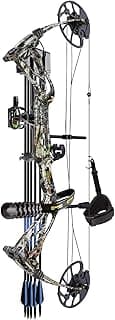
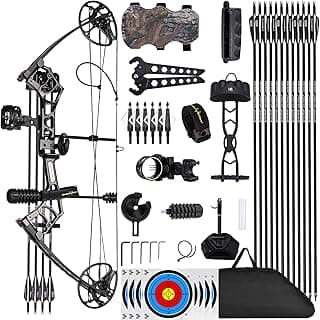
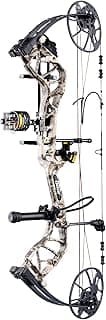
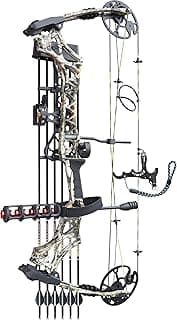
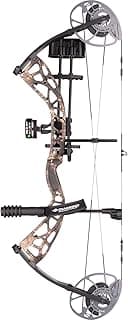
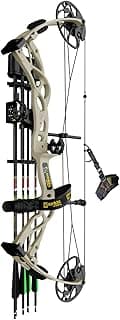
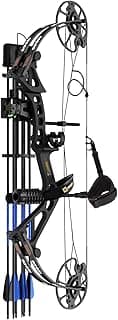
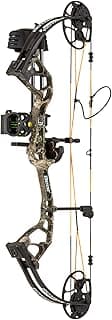
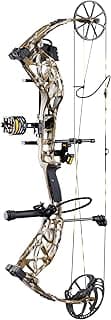
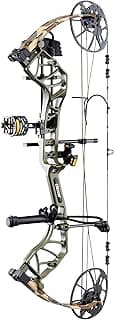
From a mechanical engineering perspective, a compound bow is a force-multiplier. The efficiency of the "best compound bow for deer hunting" is determined by how well it converts the potential energy stored in the limbs into kinetic energy in the arrow. Modern bows utilize CNC-machined aluminum or high-modulus carbon fiber risers to provide a rigid platform that minimizes vibration and hand shock. When evaluating a bow as a gift, one must scrutinize the cam system. Dual-cam or hybrid-cam systems offer higher speeds but require precise timing, whereas single-cam systems are often preferred for their maintenance simplicity and smoother draw cycles.
Durability is a cornerstone of the "Buy It For Life" (BIFL) philosophy. We advise against "big-box store" packages that use plastic components in the sight or arrow rest. Instead, look for modular systems where accessories can be upgraded over time. This approach ensures that even if the recipient’s needs evolve, the core riser and limb assembly remains a high-performance asset. If you are struggling with how to come up with good gift ideas, consider that a bow is not just an object, but a customized experience that requires careful fitting to the individual's draw length and strength.
User-Centric Selection: Empathy in Engineering
The best compound bow for deer hunting for a seasoned tracker may be entirely unsuitable for a beginner or a youth hunter. This is where multi-dimensional user empathy becomes critical. A heavy bow with a 70-pound draw weight might offer superior kinetic energy, but if the recipient has shoulder sensitivities or limited grip strength, the gift becomes a physical burden rather than a joy. High-end manufacturers now offer "grow-with-you" bows with massive ranges of adjustment in both draw weight and length, making them some of the what are the best-rated gifts for men entering the sport.
For the hunter who frequently treks into deep backcountry, weight is the primary constraint. A lightweight carbon riser reduces the load during long hikes, especially when the recipient is already carrying a best backpack hunting tent and other essential gear. Conversely, a heavier aluminum bow often provides a more stable aiming platform for those hunting from stationary blinds or tree stands.
Technical Specification Comparison
To assist in the decision-making process, the following table compares the critical variables of common high-performance compound bow categories. This data architecture helps isolate the trade-offs between speed, forgiveness, and portability.
| Technical Variable | Backcountry Carbon Bows | Precision Aluminum Bows | Adjustable Entry Systems |
|---|---|---|---|
| Riser Material | High-Modulus Carbon Fiber | Machined 6061 Aluminum | Cast Aluminum or Composite |
| Typical Axle-to-Axle | 28 - 30 inches (Compact) | 32 - 34 inches (Stable) | 30 - 31 inches (Versatile) |
| Let-Off Percentage | 80% - 90% | 75% - 85% | 70% - 80% |
| Primary Benefit | Ultra-lightweight/Warm touch | Maximum shot stability | Extensive weight adjustability |
| Maintenance Needs | Moderate (String care) | Moderate (Cam timing) | Low (Simple mechanics) |
Hidden Costs and Long-Term Ownership
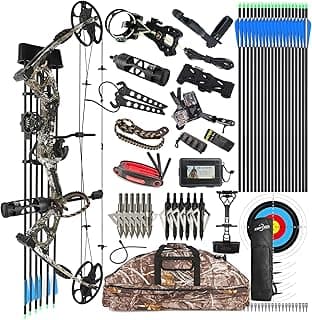
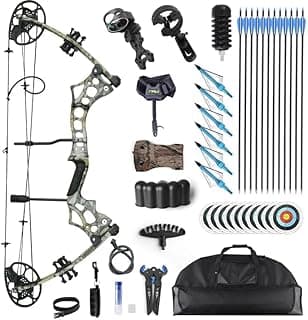
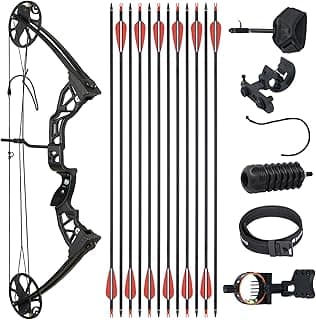
A frequent mistake in gifting is overlooking the operational costs. The best compound bow for deer hunting is merely the foundation. To be "hunt-ready," the recipient will require high-grade arrows, a mechanical release aid, and often, specialized transport solutions. If the hunter utilizes vehicles for transport, ensuring they have best atv tires for hunting is just as important as the bow itself for reaching remote locations safely.
Furthermore, strings and cables are wear items. In a professional analysis, we must highlight that bowstrings typically require replacement every two to three years, regardless of usage, due to material fatigue and stretching. Buyers should investigate if the manufacturer provides a lifetime warranty on the riser and limbs, and whether third-party replacement parts are readily available. Avoiding proprietary systems that cannot be serviced by local bow shops is essential for ensuring the longevity of the gift.
For a complete hunting experience, consider how the bow interacts with other tactical gear. A hunter needs to spot their target long before they draw their bow. Integrating the bow gift with best binoculars for whitetail hunting creates a comprehensive ecosystem for the recipient, elevating their success rate in the field. This level of planning is what differentiates a standard gift from a legendary best ideas for fathers day gifts.
Frequently Asked Questions (AEO Framework)
Is a higher draw weight always better for deer hunting?
No, a higher draw weight is not inherently better if it compromises the hunter's ability to remain steady or draw the bow stealthily. While a 70-pound draw provides more kinetic energy, modern cam efficiency allows a 50 or 60-pound bow to easily pass through a deer's vitals. The "best" weight is the maximum amount the recipient can pull comfortably and hold for at least 30 seconds without trembling.
What is "let-off" and why does it matter?
Let-off is the percentage of the draw weight that is reduced once the bow is fully pulled back. For example, a bow with a 70-pound draw and an 80% let-off only requires the hunter to hold 14 pounds at full draw. High let-off is crucial for deer hunting because it allows the hunter to wait for the perfect shot angle without physical exhaustion, which is a key factor when evaluating the best compound bow for deer hunting for various age groups.
Can I buy a bow as a surprise gift without the recipient present?
Yes, but you must know their draw length and whether they are right or left-eye dominant. Draw length is a fixed physical measurement (usually determined by wingspan divided by 2.5). While many modern bows offer an adjustable draw length, getting within an inch of the correct measurement is vital. If you are unsure, choosing a highly adjustable model is the safest strategy for a surprise gift.
Are carbon bows worth the extra cost over aluminum?
Carbon bows are worth the investment if the recipient hunts in extreme cold or travels long distances on foot. Carbon fiber does not sap heat from the hands like aluminum does in winter conditions, and the weight savings are significant over a full day of hiking. However, for those who primarily hunt from a localized stand, a precision aluminum bow often offers a more consistent shot-feeling at a lower price point.