


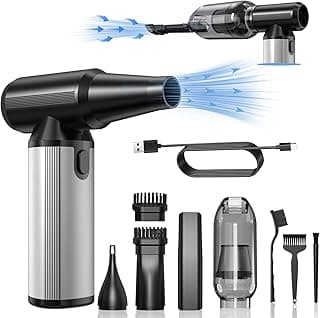
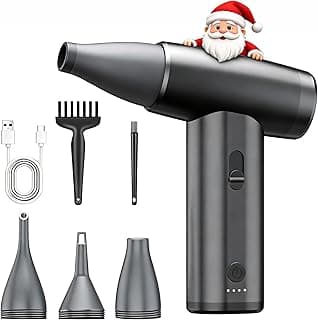
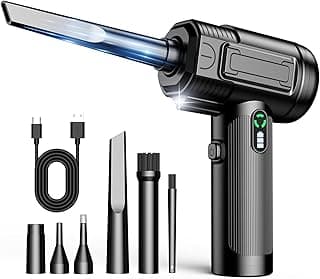
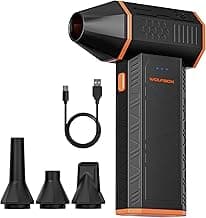
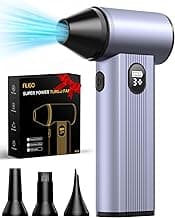
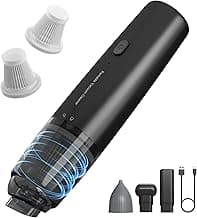

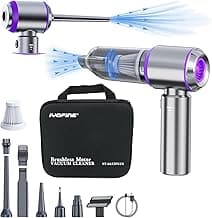
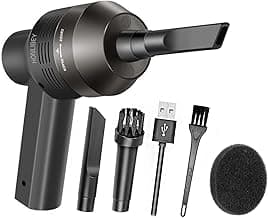
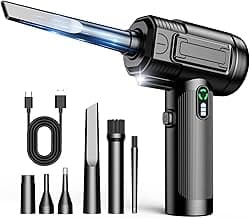
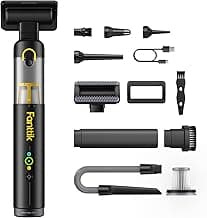
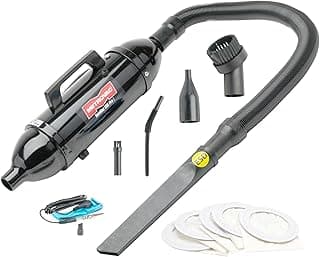
Why Keyboards Become Biological Hazard Zones
Keyboards trap everything falling between keys—food particles from desk eating, dead skin cells from constant finger contact, hair from head and pets, dust settling from air, and miscellaneous environmental particles accumulating over months creating concentrated contamination zones studies suggest harboring more bacteria per square inch than typical toilet seats creating genuine hygiene concerns beyond just aesthetic displeasure seeing visible debris accumulation between keys you touch hundreds of times daily.
Key gaps prove perfect debris traps—the spacing between keys creating valleys where gravity ensures anything falling on keyboard works downward into mechanisms rather than sliding off smooth surfaces where casual wiping removes contamination. The geometry deliberately creates problem requiring intervention beyond simple surface dusting proving adequate for most household items lacking keyboard's contamination-concentrating architecture.
Warmth from electronics encourages bacterial growth—computer heat combined with moisture from hands and environment creating conditions bacteria thrive in when provided organic matter keyboards accumulate through normal use. The combination of contamination and favorable growth conditions transforms keyboards into active ecosystems rather than inert contaminated objects, making cleaning prove genuinely important health intervention rather than just cosmetic preference for tidy workspace appearance.
Remote work intensified keyboard contamination—eating at desks becoming normalized during pandemic lockdowns created exposure patterns office environments previously prevented through separate eating areas and social pressure against desk dining. The behavior change increased contamination intensity making problem many people tolerated in offices become unavoidable in home workspaces where keyboard cleaning responsibility falls entirely on user without IT departments performing occasional maintenance wipes.
For those watching coworkers or family members whose keyboards show visible contamination or hearing complaints about sticky keys and malfunction potentially stemming from debris accumulation, understanding cleaning solutions demonstrates hygiene awareness. When considering practical gifts for men working from home or thoughtful presents for women managing home offices, cleaning tools addressing actual desk hygiene prove more valuable than decorative office accessories looking nice but not addressing actual workspace maintenance challenges sustained productivity requires.
The Keyboard Vacuum Category: What Actually Exists
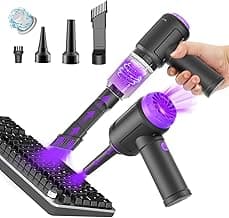
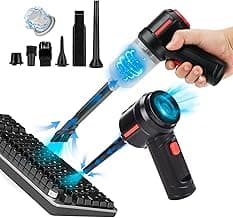
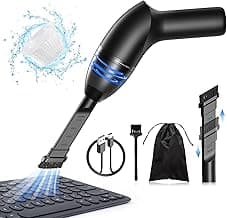
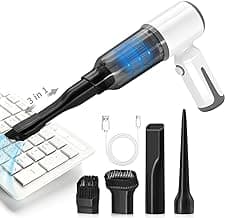
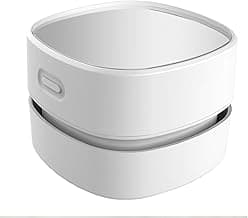
USB-powered mini vacuums prove most common—tiny devices drawing power from computer USB port using minimal suction attempting lifting debris from keyboard surfaces. These cost $10-25, consume no batteries, and prove convenient but deliver suction barely exceeding strong breath making effectiveness questionable for anything beyond loose surface dust. The low power proves both advantage preventing key damage and limitation preventing adequate debris extraction from between keys where accumulation actually concentrates.
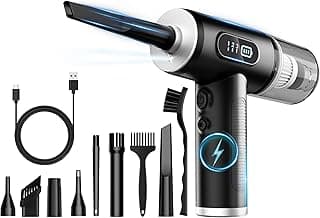
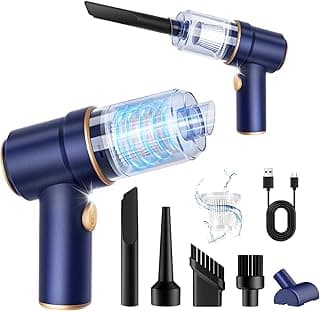
Battery-powered handheld units deliver more suction—small cordless vacuums running on AA batteries or rechargeable lithium cells generating greater power than USB models can draw from port limitations. These cost $15-40 depending on construction quality and battery type, proving more effective but requiring battery maintenance and proving bulkier than USB alternatives that stay plugged into computer ready for impulse cleaning whenever motivation strikes.
Compressed air alternatives—while not technically vacuums, compressed air cans costing $5-10 prove arguably more effective for keyboard cleaning by blowing debris out from between keys rather than attempting sucking it out against gravity and mechanical obstacles. The effectiveness and low cost make compressed air genuine competitor questioning whether vacuum purchase proves justified when simpler cheaper solution potentially works better for actual keyboard cleaning versus just appearing more sophisticated through mechanical approach.
The best computer keyboard vacuum must justify its existence versus these alternatives—delivering cleaning results meaningfully superior to compressed air while costing reasonable premium, or providing convenience so dramatic that modest performance compared to air proves acceptable trade-off for users prioritizing different factors than absolute cleaning effectiveness alone.
Who Actually Benefits From Keyboard Vacuums
Office workers with visible crumb problems: Those regularly eating at desks creating contamination accumulation requiring frequent maintenance preventing sticky keys or visible embarrassment when colleagues notice debris. The convenience of USB-powered unit enabling quick cleaning between meetings proves valuable when alternative involves compressed air can requiring storage and creating noise potentially disturbing office mates in open floor plans.
Pet owners whose animals shed near keyboards: Those working from home where cats sitting on desks or dogs nearby distribute fur infiltrating everything including keyboards creating contamination beyond typical food and skin cells. Pet hair proves particularly problematic because length allows tangling around key mechanisms creating sticky or non-responsive keys requiring removal versus just cosmetic concern surface debris represents.
Allergy sufferers managing dust exposure: Individuals whose respiratory sensitivities make accumulated keyboard dust prove genuine health concern rather than just cleanliness preference. Regular debris removal reduces allergen exposure during extended computer work when hands constantly contacting contaminated surfaces then touching face creating repeated allergen exposure vacuum cleaning potentially minimizes through removing accumulation before it reaches problematic levels.
Mechanical keyboard enthusiasts maintaining expensive equipment: Those investing $150-300 in premium mechanical keyboards deserving proper maintenance protecting investment through preventing debris accumulation causing switch malfunction or requiring professional cleaning costing significant amount. The equipment value justifies specialized cleaning tools when keyboard itself represents substantial investment deserving protection through proper ongoing maintenance.
The Effectiveness Reality: Honest Performance Expectations
Most keyboard vacuums prove marginally effective—removing loose surface debris and very light dust but struggling with anything wedged between keys or stuck to surfaces through oils from skin contact. The suction power limitations inherent to small battery or USB-powered motors can't match what compressed air delivers through pneumatic force dislodging debris mechanical suction can't extract when particles wedge into crevices or adhere to surfaces.
Brush attachments help somewhat—small bristles supposedly agitating debris while suction removes it, though effectiveness varies dramatically between designs. Some brushes prove too stiff risking key cap damage, others too soft achieving no meaningful agitation, and rare well-designed versions delivering adequate function making attachment quality critical differentiator between designs appearing similar on specifications but performing dramatically differently during actual use.
Angle and technique matter significantly—pressing vacuum intake perpendicular to keyboard versus angled approach creates performance differences users discover through trial and error when intuitive technique proves ineffective requiring experimentation finding approach delivering adequate results with specific vacuum design and keyboard combination creating results variability reviews can't predict because individual circumstances affect performance more than specifications suggest.
Complete cleaning still requires additional methods—even best keyboard vacuums supplement rather than replace compressed air, keycap removal for deep cleaning, or isopropyl alcohol wipes for sanitization. The vacuum addresses one aspect of comprehensive keyboard maintenance without eliminating need for complementary approaches creating question whether partial solution justifies dedicated tool purchase or whether occasional thorough cleaning using basic supplies proves more practical than maintaining specialized equipment serving limited role.
When Compressed Air Works Better
Air pressure dislodges stuck debris—blowing particles out from between keys proving more effective than attempting sucking them out against gravity and mechanical obstacles created by key switch mechanisms and keyboard structure. The pneumatic force reaches where suction can't, making compressed air genuinely superior for removing wedged particles rather than just convenient alternative delivering equivalent results through different approach.
However, compressed air creates mess—debris blows everywhere requiring subsequent wiping or vacuuming collecting particles compressed air dispersed. The process proves effective but messy, making it better suited for occasional thorough cleaning in location where debris dispersion proves acceptable versus daily desk maintenance where containing mess matters more than absolute cleaning effectiveness compressed air delivers alongside uncontained contamination distribution.
Environmental concerns affect compressed air—disposable cans generating waste through single-use metal containers plus propellant gases proving environmentally questionable. Rechargeable electric air dusters costing $40-80 eliminate this but require charging and prove less powerful than compressed propellant making them compromise between convenience and environmental consciousness versus absolute performance or simplicity disposable cans provide.
For gift contexts, pairing approaches proves thoughtful—compressed air for deep cleaning plus small vacuum for daily maintenance creating complete system addressing different cleaning needs appropriately rather than expecting single tool optimally serving varied scenarios better addressed through multiple complementary approaches working together. When exploring comprehensive desk organization, reference practical gift options supporting complete workspace rather than isolated tools.
The Noise Factor in Office Environments
Compressed air creates distinctive loud hiss—potentially disturbing coworkers in open offices or disturbing family members in home environments when seeking quick cleaning during calls or meetings. Vacuum operation proves quieter enabling more socially-acceptable impromptu cleaning when noise consideration outweighs effectiveness advantage compressed air delivers through pneumatic force that inherently generates sound wireless vacuum avoid through mechanical approach.
The best keyboard cleaning tool isn't most sophisticated—it's whatever you'll actually use consistently rather than impressive specialized equipment sitting unused because deployment friction or operational complications prevent establishing regular maintenance habits.
Manual Cleaning Alternatives That Cost Nothing
Sticky notes or tape removing debris—folding sticky note and running adhesive between keys capturing particles or using tape pressed into gaps lifting out contamination proves surprisingly effective for surface cleaning without any specialized tools. This zero-cost approach works adequately for light maintenance between deeper interventions using compressed air or vacuum when accumulation requires more aggressive removal.
Cotton swabs with isopropyl alcohol—sanitizing keyboard surfaces while loosening stuck debris through combined mechanical and chemical action. The alcohol evaporates quickly preventing liquid damage concerns while dissolving oils and sanitizing surfaces removing bacterial contamination vacuum or air can't address. This addresses hygiene concerns beyond just visible debris removal creating comprehensive cleaning simple mechanical approaches miss.
Keycap removal for thorough access—popping off individual keycaps enabling complete cleaning of switch mechanisms and keyboard plate underneath where debris ultimately accumulates beyond reach of any surface-level cleaning approach regardless of technique or tool sophistication. This proves most thorough method but requires time investment and confidence removing/reinstalling keycaps without damage making it occasional deep-clean approach rather than regular maintenance technique.
These manual methods question whether specialized vacuum purchase proves justified—when free or minimal-cost approaches deliver adequate or superior results through accepting slightly more effort, the convenience premium keyboard vacuum represents requires honest evaluation whether that convenience justifies equipment purchase, ownership, and maintenance versus just performing slightly more involved cleaning occasionally using supplies already owned.
The Sanitation Versus Debris Removal Distinction
Vacuums remove visible debris but don't sanitize—collecting particles without addressing bacterial or viral contamination requiring disinfection beyond mechanical removal. A clean-looking keyboard might remain significantly contaminated microbiologically when visible debris removal creates false confidence about hygiene when bacteria and viruses invisible to eye remain after mechanical cleaning proving cosmetically successful but hygienically inadequate.
UV sanitizers address different concern—some keyboard cleaning tools incorporating UV-C light attempting bacterial reduction alongside or instead of mechanical debris removal. However, UV effectiveness requires sustained exposure and proper surface contact that handheld waving over keyboard unlikely achieves, making UV sanitizer claims requiring skepticism when brief exposure duration and inconsistent coverage patterns create performance gap between laboratory-tested UV effectiveness and actual handheld device application delivering far less exposure than controlled testing demonstrates necessary for advertised sanitization.
Alcohol wipes prove most reliable sanitization—70% isopropyl alcohol on cloth or wipes providing both mechanical cleaning and chemical disinfection through combined action. The approach requires care avoiding excessive liquid but delivers genuine sanitization that vacuums or UV can't match through proven chemical action versus mechanical collection or theoretical UV exposure rarely achieving adequate intensity and duration in handheld consumer application versus controlled laboratory conditions informing effectiveness claims.
Specialized Keyboard Types Creating Unique Challenges
Mechanical keyboards with exposed switches prove easier cleaning—gaps around keycaps providing access for vacuum or compressed air reaching switch housings without requiring keycap removal. However, premium mechanical keyboards costing hundreds of dollars deserve careful cleaning avoiding damage to expensive switches making cautious gentle approach mandatory despite easier access potentially tempting aggressive cleaning risking damage to equipment investment justifying extra care despite accessibility suggesting straightforward maintenance.
Laptop keyboards prove most difficult—shallow key travel and tight integration with computer chassis limiting cleaning access and creating damage risk if excessive force damages delicate scissor switches or membrane contacts. Laptop keyboard cleaning demands gentler approach accepting partial results versus risking damage attempting thorough cleaning that desktop keyboards' replaceable nature makes less concerning when aggressive cleaning risks component damage.
Membrane keyboards accumulate debris beneath rubber dome layer—surface cleaning addresses only visible contamination while debris working under membrane creating progressively less responsive keys requiring eventual complete disassembly for thorough cleaning. The design limitation makes regular surface maintenance delay rather than prevent eventual need for thorough intervention regardless of diligent surface cleaning maintaining appearance without addressing internal accumulation affecting functionality progressively over time.
USB Power Limitations and Battery Trade-offs
USB ports provide only 5 volts at 0.5-1 amp—severely limiting motor power keyboard vacuums can generate when drawing from computer port. The power constraint explains weak suction USB models deliver despite appearing similar to battery-powered versions that access greater voltage and current generating meaningfully stronger suction. Understanding this physical limitation prevents disappointment expecting USB vacuum matching battery-powered performance when power source fundamentally limits capability regardless of design optimization attempts.
Battery-powered units deliver better suction—accessing full battery voltage without USB port power limitations enabling stronger motors generating superior suction. However, batteries require charging or replacement creating maintenance burden USB models avoid through parasitic computer power eliminating charging discipline requirement. The performance versus convenience trade-off determines which approach suits specific users based on whether they prioritize maximum effectiveness or minimum maintenance complexity.
Battery degradation affects long-term value—rechargeable battery-powered vacuums experiencing performance decline over 12-18 months as battery capacity deteriorates. The initially-adequate suction gradually weakening until equipment requires recharge mid-cleaning or battery replacement restoring performance. This lifecycle consideration affects whether rechargeable proves practical versus disposable batteries avoiding degradation but creating ongoing supply expense and environmental waste concerns.
Gift Appropriateness: When It Feels Right Versus Weird
Keyboard vacuum as gift risks implying judgment—suggesting someone's keyboard proves so dirty they need specialized cleaning equipment potentially feeling like criticism about their hygiene or housekeeping rather than thoughtful practical support. The implication proves unavoidable making keyboard cleaning gifts risky unless recipient has explicitly mentioned wanting one or keyboard contamination provides obvious visible evidence creating shared acknowledgment about cleaning need that gift addresses rather than presumptively identifying problem they didn't recognize or request assistance addressing.
However, pairing with other desk accessories softens message—including keyboard vacuum within larger desk organization or workspace upgrade gift set frames cleaning tool as component of comprehensive workspace improvement rather than isolated focus on their presumably dirty keyboard. The context changes perception from critical to supportive when cleaning tools appear alongside organizational supplies, quality desk pad, or other workspace enhancements creating holistic upgrade rather than targeted hygiene intervention.
Office white elephant or team gifts prove safer context—group gift exchange removing personal judgment implications when everyone receives random items including keyboard cleaning tools that become humorous commentary on shared office experiences rather than personal criticism. The social context transforms potentially-awkward gift into shared joke about universal desk-eating guilt everyone relates to without singling out individual for specific hygiene concerns.
For gift timing, new computer setup or keyboard purchase proves natural—pairing cleaning tools with new equipment frames as preventive maintenance enabling sustained condition rather than remedial intervention addressing existing contamination. The timing positions gift as forward-looking protection rather than backward-looking criticism about current condition creating psychological difference determining whether recipient appreciates thoughtfulness versus feels defensive about implied judgment regardless of identical physical gift.
Budget Reality: Is Specialized Tool Worth Cost?
Basic USB keyboard vacuums cost $10-15—minimal investment delivering marginal results potentially justifiable for convenience despite weak performance when desk eating habits create regular light contamination requiring frequent quick cleaning. However, compressed air costing half as much while delivering superior results questions whether keyboard vacuum represents good value or just appealing gadget creating false sense of comprehensive solution when actually providing partial cleaning that alternatives address more effectively at lower cost.
Premium battery models reach $30-50—higher investment demanding honest assessment whether improved performance over USB models justifies 2-3x cost premium when compressed air costing fraction still outperforms both for actual deep cleaning effectiveness. The premium might prove justifiable for convenience or specific use cases but requires honest evaluation rather than assuming more expensive automatically means better value when cheaper alternatives potentially serving more effectively for actual keyboard cleaning versus just appearing more sophisticated through motorized approach.
For most users, $5 compressed air plus existing cleaning supplies proves optimal—delivering best actual results at lowest cost accepting occasional mess from air dispersion versus ongoing ownership of specialized tool serving limited purpose. The honest value calculation rarely favors keyboard vacuum despite appealing convenience when cost-effectiveness and actual cleaning performance get evaluated rather than just purchase impulse finding specialized tool intrinsically appealing regardless of practical justification.
When Keyboard Vacuum Makes Genuine Sense
Open office environments prohibiting compressed air—workplace policies restricting aerosol use or noise concerns in shared spaces making vacuum only practical option for desk-side keyboard maintenance. The constraint creates genuine justification when environmental factors eliminate superior alternatives forcing compromise accepting lesser cleaning effectiveness versus complete inability performing any maintenance creating binary choice between vacuum or nothing.
Daily desk eaters needing frequent cleaning—those whose work habits create constant keyboard contamination requiring multiple daily cleaning interventions where vacuum convenience enables maintaining cleanliness that occasional compressed air deep cleaning couldn't sustain alone. The frequency makes convenience premium worthwhile when alternative involves daily compressed air use proving impractical through noise, mess, or supply expense at elevated frequency intensive desk eating creates.
Minimalists wanting single-purpose tool—those philosophically opposed to accumulating multiple cleaning supplies preferring single specialized tool even if less effective than multi-tool approach using various supplies addressing different aspects comprehensively. The preference proves valid when simplicity and single-tool commitment outweigh performance optimization that complexity enables through accepting adequate versus excellent cleaning from unified approach matching minimalist values.
Reading Keyboard Vacuum Reviews Skeptically
Paid reviews and affiliate relationships bias recommendations—many keyboard vacuum reviews come from tech blogs earning commissions on purchases creating incentive recommending products regardless of whether they represent best solution versus alternatives generating no revenue. The conflict requires reader skepticism cross-referencing multiple independent sources rather than trusting single enthusiastic review potentially motivated by affiliate earnings rather than genuine product assessment.
Before-after photos prove easily manipulated—showing dirty keyboard then clean keyboard after vacuum use doesn't prove vacuum provided cleaning when photographer might have used compressed air or manual cleaning creating dramatic results photos attribute to vacuum regardless of actual tool used. The visual evidence proves less reliable than detailed text descriptions explaining specific technique and challenges encountered during actual use revealing whether product lived up to marketing claims.
Short-term enthusiasm proves less valuable than sustained use reports—reviewers excited about new gadget providing initial positive impressions before weeks of actual use reveal limitations or complications preventing continued deployment. Look for reviews from users reporting "still using after 6 months" versus just initial unboxing impressions that often prove more enthusiastic than eventual long-term satisfaction warrants once novelty fades and practical limitations reveal themselves.
The Behavioral Change Alternative
Stopping desk eating eliminates most contamination—addressing behavior creating problem rather than managing symptoms through specialized cleaning equipment. The prevention approach proves more effective than any cleaning tool regardless of sophistication when contamination simply doesn't occur versus requiring removal after accumulation. However, habit change proves difficult and many people accepting they'll continue desk eating despite knowing it creates maintenance needs they'd prefer avoiding but won't actually prevent through behavioral modification they're unwilling sustaining.
Keyboard covers prevent debris infiltration—silicone or plastic covers fitting over keys protecting from contamination while enabling continued desk eating without keyboard accumulation. However, covers affect typing feel and potentially interfere with key travel making them unacceptable to many users despite effectively solving contamination problem that keyboard vacuums merely manage rather than prevent. The trade-off between protection and typing experience proves personal preference determining whether prevention through covers or management through cleaning tools better serves individual priorities.
For gift contexts, suggesting behavioral changes alongside or instead of cleaning equipment proves risky—implying someone should stop desk eating or use keyboard cover feels more personally critical than providing cleaning tools addressing consequences of behavior you're not explicitly criticizing. The psychology around habit commentary makes equipment gifts safer than behavioral suggestions even when behavior change would prove more effective solution requiring consideration about whether gift-giving involves accepting recipient's choices and providing support versus attempting modifying behaviors you find problematic.
Alternative Compact Vacuum Applications
These mini vacuums serve purposes beyond keyboards—cleaning car interiors, craft workspaces, desktop dust, or other small-scale applications where full vacuum proves excessive. The versatility potentially justifies purchase when keyboard cleaning represents just one of multiple uses rather than single narrow application alone struggling justifying specialized equipment investment. However, evaluating actual likelihood using for other purposes versus just theoretical versatility that sounds appealing but never gets realized requires honest assessment about actual usage patterns versus aspirational ideas about tool deployment.
However, optimization means compromise—mini vacuums designed broadly serving multiple purposes might perform adequately at everything but excel at nothing versus specialized tools optimized for specific applications. The universal approach proves practical when actually deployed across varied uses but proves wasteful when theoretical versatility never materializes into actual multi-application use making specialized design compromises unnecessary when primary or only actual application would have been better served by different tool without versatility features adding cost and complexity providing no realized value.
Environmental Impact of Disposable Electronics
Small electronics create disproportionate waste—cheap keyboard vacuums failing within year becoming e-waste contributing to growing electronics disposal problem. The environmental cost questions whether modest convenience justifies creating disposal problem when manual alternatives or durable compressed air options avoid generating waste through being either zero-impact manual cleaning or long-lasting durable compressed air can proving reusable many times before disposal or refillable electric duster eliminating disposal entirely through rechargeable operation.
Battery disposal proves particularly problematic—lithium or alkaline batteries requiring proper recycling most users neglect creating toxic waste environmental contamination. The hidden environmental cost of battery-powered convenience rarely gets considered during purchase enthusiasm about gadget acquisition but accumulates across millions of units creating collective impact that individual purchase decision seems too insignificant mattering when actually contributing to larger problem requiring systemic addressing through individual responsible consumption decisions.
Success Metrics: What Indicates Gift Value
Success involves sustained equipment use maintaining cleaner keyboard—not just initial cleaning creating spotless keys followed by return to previous contamination because cleaning process proved burdensome or equipment access created friction preventing regular maintenance despite owned appropriate equipment theoretically enabling cleanliness recipient doesn't actually maintain long-term because psychology and convenience factors matter more than equipment capability specifications alone.
Positive indicators: noticeably cleaner keyboard maintained over months, recipient mentioning easier quick cleaning enabling regular maintenance, or observed behavioral changes like more frequent impromptu cleaning sessions equipment convenience enables. Negative indicators: equipment stored in drawer rather than remaining accessible on desk, continued visible keyboard contamination despite equipment availability, or comments about it being "more hassle than worth" revealing operational friction preventing sustained use despite initial positive intentions.
For uncertain gift situations, pairing with complementary cleaning supplies proves safer—compressed air plus small vacuum plus alcohol wipes creating complete keyboard maintenance kit demonstrating thoughtfulness about comprehensive solution rather than single-tool gift that might prove inadequate. The system approach shows consideration of complete cleaning needs while providing options for different scenarios enabling recipient choosing appropriate method for specific situations rather than forcing single approach that might not suit their preferences or circumstances.
Gifts are for making an impression, not just for the sake of it.
GiftsPick - Meticulous, Kind, Objective.
```