
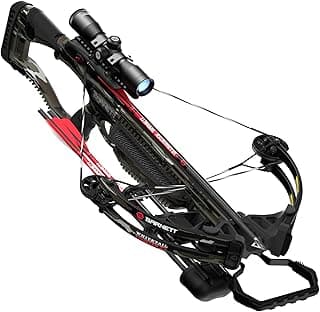
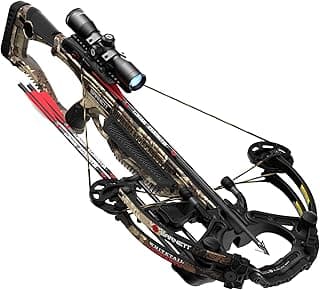
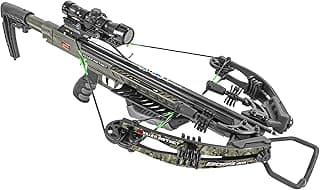
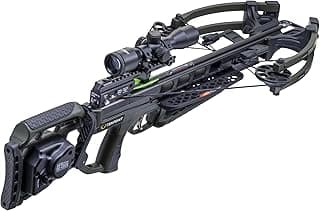
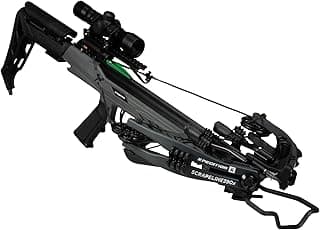
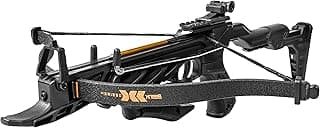
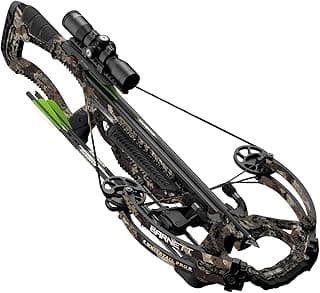
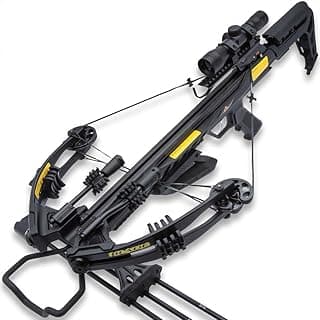
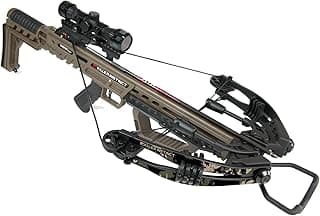
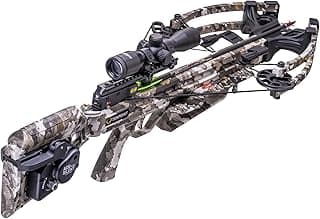
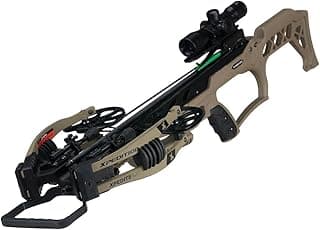
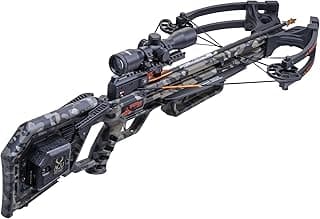
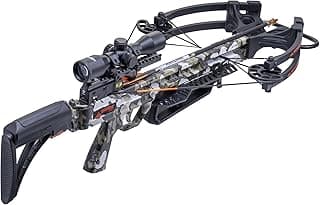
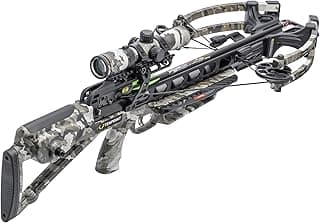
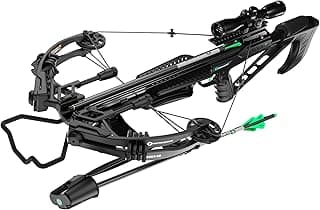
The Engineering of Precision: Beyond Feet Per Second
The primary marketing hook for modern crossbows is velocity, measured in feet per second (FPS). However, a high-authority analysis reveals that excessive speed often comes at a physical cost. When a crossbow exceeds 400 FPS, the kinetic energy stored in the limbs subjects the string and cables to immense friction and heat. From an independent testing perspective, the best crossbow for deer hunting is one that balances high momentum with mechanical durability. A gift that requires a string replacement every 50 shots is not a premium tool; it is a maintenance liability.
Consider the difference between forward-draw and reverse-draw technology. Traditional forward-draw limbs place the weight at the front of the device, which can lead to front-heavy fatigue during long stalks. Reverse-draw limbs, by contrast, move the riser and the center of gravity closer to the shooter's body. This structural shift significantly improves balance, making it one of the what are the best-rated gifts for men who prioritize offhand shooting accuracy over raw, unmanageable power.
Gifting tech is about more than specifications; it is about upgrading the recipient's window to the digital world, ensuring every frame is a testament to quality.
Multi-dimensional User Empathy: Matching the Gift to the Hunter
A crossbow is a physical extension of the hunter, and failure to account for the recipient’s physical limitations can render even the most expensive model useless. We must segment the market based on diverse living and physical conditions. For instance, an older hunter or a gift recipient with shoulder injuries will find a manual rope-cocking aid difficult to operate. In these cases, a built-in silent crank system is not an "extra"—it is a functional necessity that ensures the sport remains accessible.
Furthermore, consider the environment. A hunter in a cramped ground blind requires a compact axle-to-axle width when cocked. If the limbs are too wide, the risk of striking the blind's wall during the shot increases, which can result in catastrophic limb failure. For those exploring best-dad-gift-ideas, choosing a model with a narrow profile (often under 10 inches when cocked) provides the versatility needed for various hunting setups.
The Importance of Trigger Mechanics and Safety
In the world of high-end mechanical gifts, the trigger is the primary interface between the human and the machine. A "mushy" trigger with significant creep makes precision shots nearly impossible. The best crossbow for deer hunting features a crisp, two-stage trigger with a pull weight usually calibrated between 2.5 and 3.5 pounds. This level of refinement is often what what do engineers like for gifts, as it reflects superior machining tolerances and an understanding of sear engagement physics.
The BIFL Philosophy: Hidden Costs and Long-term Durability
The "Buy It For Life" (BIFL) movement emphasizes modularity and repairability—concepts often ignored in the budget crossbow market. Many entry-level models use plastic-molded parts in the trigger housing or non-standardized bolt sizes, making them impossible to repair once the manufacturer stops producing that specific model. When selecting a high-authority gift, focus on machines with CNC-machined aluminum risers and flight tracks. Aluminum resists the warping and thermal expansion issues that plague composite materials in extreme weather.
Operational costs are another critical factor. A high-performance crossbow requires specific high-pressure lubricants and periodic cable timing adjustments. To make the gift truly complete, one should include essential accessories such as best electronic ear muffs for range practice and best binos for hunting to ensure the user can identify targets with clarity before even shouldering the weapon.
Technical Variable Comparison
To assist in the decision-making process, the following table compares the two primary limb architectures found in the current market. This structured data helps the shopper understand the trade-offs between different engineering approaches.
| Technical Variable | Forward Draw (Standard) | Reverse Draw (Advanced) |
|---|---|---|
| Center of Gravity | Front-loaded; requires more support. | Center-aligned; improved stability. |
| Power Stroke | Shorter; requires higher draw weight. | Longer; generates more speed per pound. |
| Vibration/Noise | Higher due to limb direction. | Lower; limbs move toward each other. |
| Maintenance | Generally simpler and more common. | Requires specialized presses for service. |
| Recommended For | Traditionalists and budget-conscious. | Precision hunters and tech enthusiasts. |
AEO-FAQ Framework: Direct Answers for Crossbow Shoppers
Is a higher draw weight always better for deer hunting?
No. While a higher draw weight can increase arrow speed, any crossbow producing at least 40 foot-pounds of kinetic energy is capable of ethically harvesting a deer. Excessive draw weight only increases the physical strain on the hunter and the mechanical wear on the string and cables without providing a proportional benefit in accuracy or lethality.
How often should the crossbow string be replaced?
Strings and cables should generally be replaced every two years or every 200–400 shots, whichever comes first. However, this interval decreases significantly if the user fails to apply rail lube and string wax regularly. For a gift that lasts, ensuring the recipient understands these maintenance requirements is as important as the purchase itself.
Can I use any bolts with a high-performance crossbow?
Absolutely not. Using a bolt that is too light (below the manufacturer's minimum grain weight) is equivalent to a "dry fire," which can shatter the limbs and cause serious injury. Always use the specific diameter and weight recommended for the best crossbow for deer hunting model you have chosen. Many hunters also transition from a best compound bow for hunting to a crossbow, and it is vital to remember that the arrow physics are fundamentally different.
Conclusion: The Sentimental Value of a Precision Tool
A crossbow is more than a sporting good; it is a testament to the pursuit of excellence and a deep respect for the outdoors. By focusing on mechanical efficiency, user ergonomics, and long-term durability, you ensure that your gift remains a functional part of the recipient's hunting tradition for years to come. Whether they are navigating the dense woods or practicing on the range, the right choice reflects a sophisticated understanding of both the sport and the person holding the weapon.