
The Physics of Compact Archery: Width and Clearance
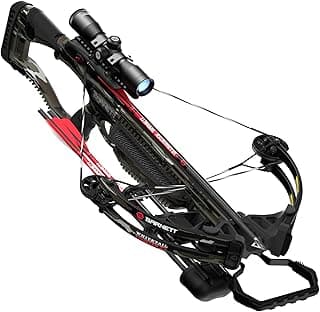
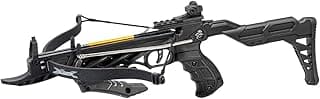
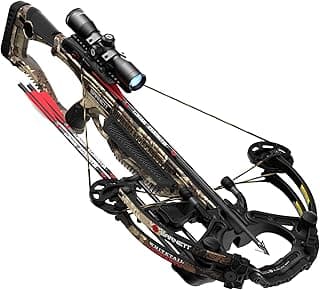
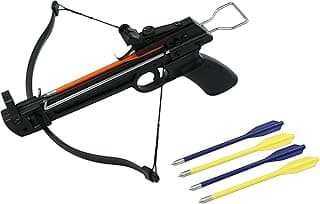
The primary technical variable in treestand hunting is the cocked width of the crossbow. Traditional recurve or wide-limb compound crossbows pose a significant risk in tight quarters. If the limbs strike a tree limb or a stand support during the release, the result is often catastrophic for the equipment and potentially dangerous for the user. Modern engineering has solved this through narrow-limb technology and reverse-draw configurations. These designs move the riser closer to the trigger, shifting the center of gravity toward the shooter's body, which reduces the perceived "front-heaviness" of the machine.
Gifting tech is about more than specifications; it is about upgrading the recipient's window to the digital world, ensuring every frame is a testament to quality.
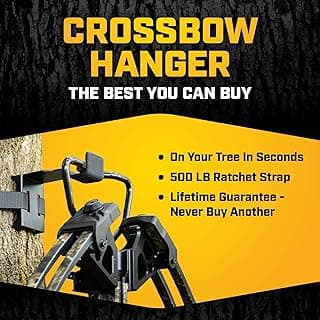
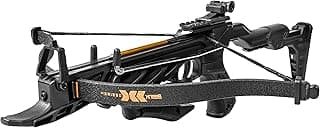
When selecting the best crossbow for treestand hunting, look for a model that measures under 10 inches between the axles when cocked. This compactness ensures that the hunter can pivot and track game through a full 180-degree arc without fear of limb obstruction. Furthermore, weight distribution is a critical, often overlooked metric. A bow that weighs 8 pounds but has its mass concentrated in the front will cause muscle fatigue during long periods of aiming, a common scenario when waiting for a buck to enter a narrow shooting lane.
| Technical Variable | Standard Crossbow Design | Treestand-Optimized Design |
|---|---|---|
| Axle-to-Axle (Cocked) | 15 - 18 inches | 6 - 10 inches |
| Weight Distribution | Front-heavy (Riser forward) | Rear-weighted (Center-balanced) |
| Cocking Mechanism | Rope Sled (High exertion) | Integrated Silent Crank (Minimal effort) |
| Power Stroke | Short (Requires higher draw weight) | Long (Efficient energy transfer) |
Addressing User Constraints: Empathy in Design
Gifting a crossbow is an exercise in understanding the recipient's physical realities. For an aging hunter or someone with joint limitations, the act of cocking a 200-pound draw weight bow using a rope sled is not just difficult—it is often a barrier to participation. If you are researching what to buy a father that has everything, consider the value of an integrated, silent cranking system. These mechanical aids reduce the required force to under 10 pounds and, crucially, allow the bow to be de-cocked safely without firing a bolt at the end of the day. This level of safety and convenience is the hallmark of a thoughtful, high-end gift.
Similarly, for the mobile hunter who treks deep into public lands with a best backpack hunting tent, total system weight is paramount. A "bare" crossbow weight is often misleading. Once a scope, quiver, and bolts are added, the weight can increase by 25%. A truly specialized gift includes a lightweight carbon-fiber stock and a streamlined profile that fits into a dedicated carry pack, ensuring the recipient can navigate dense brush and steep terrain without the gear becoming a physical burden.
Long-Term Durability: The BIFL (Buy It For Life) Perspective
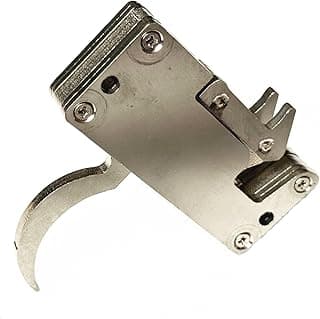
In the world of professional archery, there is a clear distinction between consumer-grade products and professional tools. A "Buy It For Life" crossbow must feature a frictionless trigger assembly and modular cams. Avoid systems that utilize plastic trigger housings or proprietary strings that cannot be serviced by local shops. The best crossbow for treestand hunting is one that can be maintained for a decade. This includes looking for a rail-less design, which reduces string friction and extends the life of the servings, saving the recipient hundreds of dollars in maintenance over the product's lifespan.
When determining how much should you spend on a father's Day gift of this magnitude, remember that you are paying for the quality of the glass in the scope and the precision of the limb-pocket tolerances. A budget crossbow often utilizes "HEPA-like" equivalents in the archery world—components that look right but fail under the stress of high-vibration shots. Investing in a brand with a proven track record of warranty support and available replacement parts is the only way to ensure the gift doesn't end up as an unrepairable "wall hanger" after two seasons of heavy use.
Complementary Essentials for the Hunt
A crossbow is only one part of the successful hunting equation. To provide a complete experience, consider pairing the gift with high-utility accessories. Clear vision is essential, making best 10x50 binoculars for hunting a logical companion. Furthermore, the noise of a high-speed crossbow release can be startling; providing best electronic ear muffs that amplify ambient sound while suppressing the crack of the shot can enhance the hunter's situational awareness. Finally, comfort in the stand is non-negotiable. If the recipient spends hours in a cramped position, the best hunting chair for blind or a high-quality treestand cushion will be as appreciated as the bow itself.
Frequently Asked Questions
Is a high-speed crossbow always better for hunting?
No. While speed (FPS) is a popular marketing metric, the stability and momentum of the bolt are more important for ethical harvests. A crossbow shooting 380 FPS with a heavy, high-FOC (Front of Center) bolt will often outperform a 500 FPS bow shooting a lightweight bolt that is susceptible to wind drift and loses kinetic energy rapidly at distance.
Can I leave a crossbow cocked all day in the treestand?
Yes, modern limbs made of glass-reinforced composites are designed to hold tension for the duration of a standard hunt. However, it is a best practice to de-cock the bow at the end of every session to relieve stress on the string and cables, especially in extreme temperature fluctuations which can affect limb timing.
What is the most critical safety feature for a new hunter?
The most critical feature is a robust Anti-Dry Fire (ADF) mechanism. This prevents the crossbow from firing unless a bolt is properly seated. Without this, a simple mistake can lead to the limbs shattering under their own tension. Additionally, look for "finger reminders" or flared fore-grips that keep the shooter's hand safely below the path of the string.
How often should the strings be replaced on a premium crossbow?
Strings and cables should generally be replaced every two years or every 200–400 shots, whichever comes first. Regular application of high-quality rail lube and string wax can extend this lifespan, but the high-tension nature of the best crossbow for treestand hunting means that fiber degradation is an inevitable physical reality that must be monitored for safety.
Ultimately, gifting a crossbow for treestand use is about providing the recipient with a tool that respects the challenges of his environment. By focusing on mechanical balance, compact dimensions, and long-term serviceability, you ensure that the gift is not just a seasonal trend, but a lasting legacy of precision and outdoor tradition.