

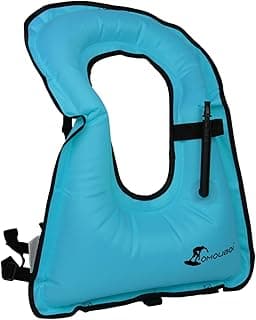
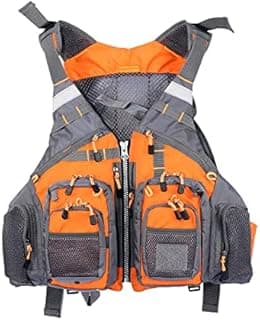
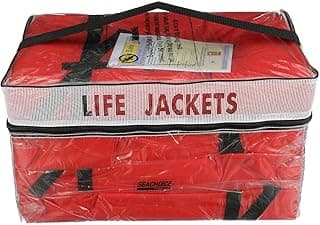
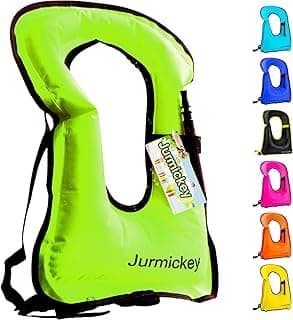
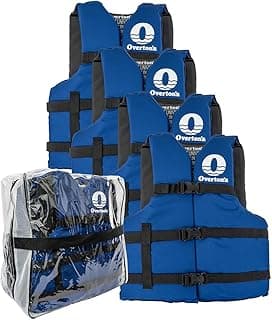
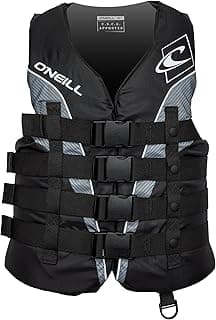
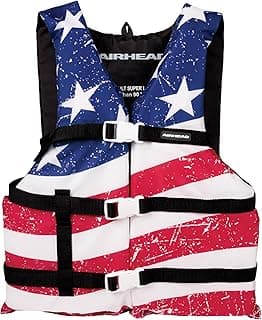
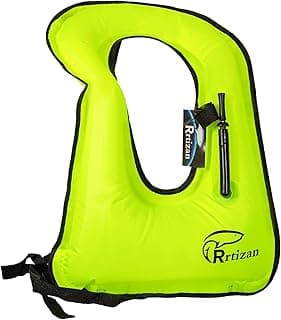
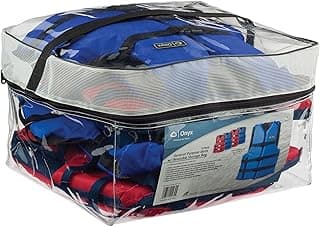
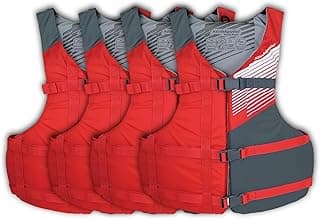
The Engineering of Buoyancy: Why Quality Matters in Budget PFDs
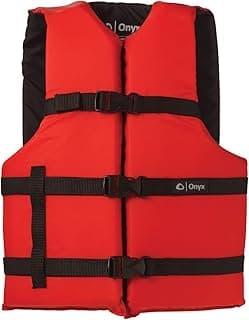
From a mechanical engineering standpoint, a life jacket’s primary function is to maintain "airway clearance"—the distance between the water surface and the wearer's mouth. When navigating the market for the best deals on life jackets, one must scrutinize the "inherent buoyancy" provided by the internal materials. High-quality foam PFDs utilize closed-cell PVC or PE foam, which resists compression and water absorption over several years. Conversely, "deals" found in the ultra-low-cost segment often utilize lower-grade foams that can lose up to 10% of their buoyancy after just one season of improper storage or heavy use.
For a gift to be meaningful, it must be fit for the specific activity of the recipient. A gift for someone who has a best inflatable fishing boat will differ significantly from a gift for a high-speed jet skier. The former may prioritize comfort and pocket storage, while the latter requires a high impact rating and multiple heavy-duty buckles to withstand high-speed water entry.
Gifting tech is about more than specifications; it is about upgrading the recipient's window to the digital world, ensuring every frame is a testament to quality.
Evaluating Material Integrity and Long-Term Durability
The "Buy It For Life" (BIFL) philosophy is particularly relevant in marine safety. The external shell of a life jacket is its first line of defense against UV radiation and salt-water corrosion. When assessing the best deals on life jackets, compare the denier count of the fabric. A 200-denier polyester shell may be lightweight and cheap, but it will succumb to UV degradation and tearing far faster than a 500-denier Cordura or high-tenacity nylon shell. For those wondering how to come up with good gift ideas, a rugged, high-denier PFD is a choice that demonstrates a commitment to the recipient’s long-term safety.
Below is a technical comparison of standard PFD types to help you differentiate between various "deals" based on their mechanical utility:
| PFD Category | Mechanical Advantage | Physical Limitation | Best Use Case |
|---|---|---|---|
| Type I (Offshore) | Maximum buoyancy (22 lbs+); turns unconscious wearers face-up. | Bulky, restrictive movement, high static weight. | Remote, rough waters where rescue is delayed. |
| Type II (Near-shore) | Inexpensive, easy to store, reliable foam. | Uncomfortable for long-term wear; limited turning capability. | Calm inland waters, backup safety equipment. |
| Type III (Flotation Aid) | High ergonomic mobility, tailored for specific sports. | Requires wearer to tilt head back to keep face out of water. | Kayaking, fishing, water skiing. |
| Type V (Special Use) | Optimized for specific tasks (e.g., work vests, auto-inflators). | Must be worn to be legal; requires maintenance of CO2. | Sailing, professional marine work. |
User Empathy: Matching the PFD to the Person
A gift should solve a problem for the user. When searching for the best deals on life jackets, consider the physical ergonomics of the recipient. For elderly users or those with limited mobility, a heavy foam vest can be exhausting. In these cases, a manual or automatic inflatable PFD offers a lightweight alternative that remains unobtrusive until needed. However, these require "hidden cost" considerations, such as the periodic replacement of CO2 cylinders and bobbin sensors, which can cost between $20 and $50 per year.
For families with pets, don't forget the four-legged passengers. Finding the best dog life jackets is as much about the grab handle's tensile strength as it is about buoyancy, allowing owners to safely lift their pets back onto a best kayaks if they fall overboard. This holistic approach to water safety is often considered what is the greatest gift to give—the peace of mind that everyone on board is protected.
Hidden Costs and Maintenance: The Skeptic's Guide to PFD Deals
The "deal" you find today may become an expense tomorrow. Independent testing and repair communities often highlight that budget PFDs are "sealed units." If a buckle snaps or a strap frays on a cheap vest, the entire unit is rendered unsafe and must be discarded. Higher-end models often feature modular components or are built with standardized hardware that can be replaced.
Operational Longevity Checklist:
- Salt-water Exposure: Check if the zippers are plastic or metal. Metal zippers, unless made of high-grade marine stainless steel, will corrode and seize in salt-water environments.
- UV Resistance: Look for fabrics with specialized coatings. A faded life jacket is a structurally compromised life jacket, as UV rays break down the synthetic fibers of the straps.
- Closure Systems: Multiple adjustment points (at least three) are necessary to prevent the jacket from "riding up" over the wearer’s head upon water entry.
Frequently Asked Questions
Are the cheapest life jackets actually safe to use?
Yes, provided they carry a valid Coast Guard approval stamp, but they often lack the ergonomic refinement and breathable materials found in premium models. While a basic orange "horse-collar" vest will provide the legal minimum of buoyancy, it is often so uncomfortable that users are tempted to take it off, which defeats the purpose of the safety device during an emergency.
How often should a gifted life jacket be replaced?
A life jacket should be replaced immediately if the foam feels "crunchy," the fabric is severely faded, or the straps show signs of fraying. For foam-based models, a lifespan of 5 to 7 years is typical with moderate use, while inflatable models can last longer if the internal bladder is pressure-tested annually and the firing mechanism is serviced regularly.
Is an inflatable life jacket a better gift than a foam one?
It depends entirely on the user's swimming ability and the water temperature. Inflatable PFDs are superior for comfort and hot-weather use, but they are generally not recommended for weak swimmers or for high-impact activities like tubing, where the wearer might be knocked unconscious before they can manually inflate the vest (if using a manual model).
How do I check the size of a life jacket for someone else?
The most accurate way to size a PFD is by chest measurement, not weight (except for children). When buying a gift, try to find the recipient's chest circumference; most manufacturers provide detailed sizing charts. A properly fitted jacket should be snug enough that you cannot pull it up past the recipient's ears when you lift them by the shoulder straps.
In conclusion, finding the best deals on life jackets is a process of balancing technical specifications with the specific needs of the user. By avoiding fast-consumerism models and focusing on material integrity and activity-specific design, you can provide a gift that is both practical and potentially life-saving.