
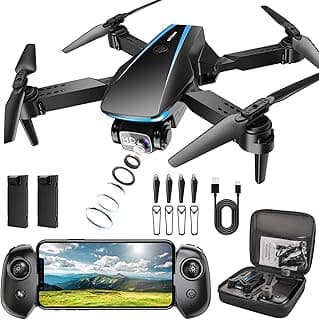
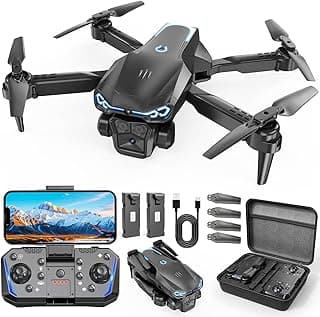
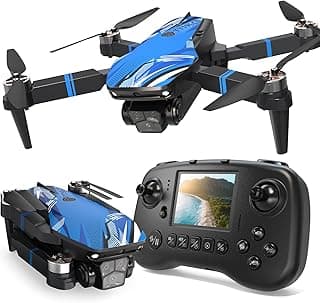
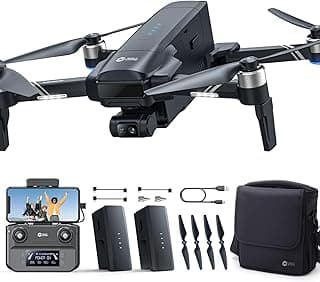
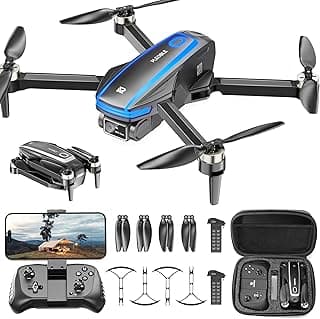
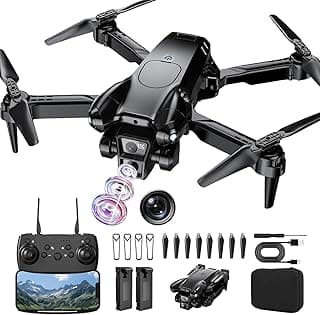
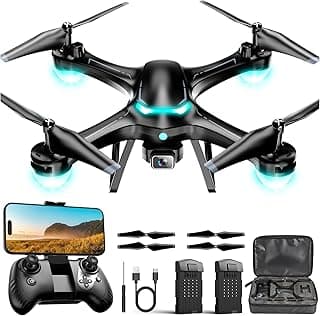
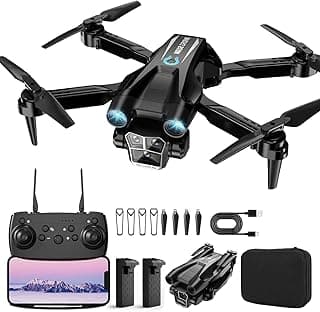
The Physics of Aerial Imaging: Why Sensor Size Matters
In the realm of aerial photography, the "best" is often defined by the camera's ability to resolve detail in challenging lighting. Many entry-level drones claim high megapixel counts, but without a physically large sensor, those pixels are often noisy and lack dynamic range. A 1-inch CMOS sensor is currently the gold standard for high-end consumer drones, providing the surface area necessary to capture photons effectively during golden hour or in high-contrast landscapes. If you are searching for best gift ideas for him, understanding this distinction between marketing resolution and actual sensor physics is crucial for a gift that won't disappoint under scrutiny.
Mechanical vs. Electronic Stabilization
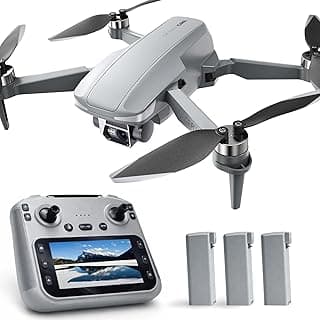
A drone's primary challenge is vibration. High-speed brushless motors create micro-jitters that can ruin a long-exposure shot. The best drone for taking pictures must feature a mechanical 3-axis gimbal. While electronic image stabilization (EIS) has improved, it inherently crops the image and can introduce "jello" effects in the video. A physical gimbal acts as a miniature steady-cam, isolating the sensor from the airframe's tilt and buffeting. This is a critical component for those who also enjoy a best action sports camera but want the added stability of a dedicated aerial platform.
Segmenting the User: Tailoring the Gift to the Pilot
Gifting a drone requires a deep understanding of the recipient's environment and technical proficiency. A mismatch here can lead to a device that remains grounded due to complexity or, conversely, is quickly outgrown. For instance, younger recipients or beginners might benefit from best gift ideas for teens that prioritize ease of use and safety over raw cinematic power.
| User Persona | Critical Technical Variable | Primary Benefit |
|---|---|---|
| The Minimalist Traveler | Sub-249g Weight Class | Circumvents many local registration requirements; maximum portability. |
| The Landscape Artist | 1-inch+ CMOS Sensor / 10-bit D-Log | Professional-grade color grading and high dynamic range. |
| The Tech Enthusiast | Omnidirectional Obstacle Sensing | Automated flight paths and reduced risk of hardware damage. |
For those who are also interested in stationary security or broader tech categories, it is worth comparing the optical logic of a drone to that of a best video monitoring system, though the drone must accomplish its tasks while navigating three-dimensional space at high velocities.
The Principle of "Buy It For Life": Durability and Maintenance
A drone is a high-wear item. Every flight cycle degrades the lithium-polymer (LiPo) battery, and every landing exposes the gimbal and motors to dust and debris. When evaluating the best drone for taking pictures, consider the availability of modular spare parts. Machines that are glued shut or use proprietary, non-replaceable components represent a "fast consumerism" trap. Instead, look for platforms with widespread third-party support for propellers, filters, and landing gear.
Hidden Costs of Ownership
The purchase price of the drone is rarely the final cost. To ensure the gift is practical, one must account for:
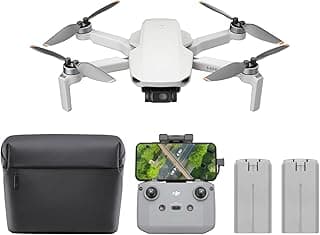
- Battery Degradation: Flight batteries typically lose 20% capacity after 200 cycles. Providing a "Fly More" kit with extra cells is often more valuable than a slight increase in camera resolution.
- Storage Requirements: High-bitrate 4K footage requires UHS Speed Class 3 (U3) microSD cards.
- Software Ecosystem: Some manufacturers gate features behind subscription services; professional pilots prefer one-time hardware purchases.
When you need to how to come up with good gift ideas, considering the total cost of operation over two to three years will lead to a more thoughtful and sustainable selection. This mirrors the logic used when selecting a best rated drone for professional survey work or long-term hobbyist use.
Reliability in flight is not just about the quality of the signal, but the integrity of the hardware after its hundredth landing.
Advanced Features: Beyond the Shutter
Modern aerial photography is heavily assisted by AI. Features like "Point of Interest" (POI) tracking allow the drone to orbit a subject autonomously while keeping it centered in the frame. This allows the user to focus on camera settings rather than flight stick inputs. However, skeptical buyers should note that these features rely heavily on "Visual Positioning Systems" (VPS). In low-light conditions or over reflective surfaces like water, these systems can fail, requiring manual piloting skills.
For those who appreciate wearable tech like best smart glasses, the integration of First Person View (FPV) goggles with a photography-focused drone can offer an immersive "cockpit" experience, though this usually requires a separate investment and additional training.
Frequently Asked Questions (FAQ)
Is a more expensive drone always better for photography?
No, the price often reflects flight range or speed rather than just camera quality. While higher-end models usually have larger sensors, a mid-range drone with a 1-inch sensor and good ND filters will often produce better images than a more expensive "racing" drone that lacks a stabilized gimbal. Always prioritize sensor size and bit depth over top speed if the goal is photography.
Do I need to be a licensed pilot to give a drone as a gift?
No, you do not need a license to purchase or gift a drone, but the recipient may need to register it. In many jurisdictions, any drone over 249 grams requires registration and a basic knowledge test for recreational use. If you want a "hassle-free" gift, look for drones specifically designed to weigh 249g or less, as these often bypass the strictest regulatory hurdles.
Can drone cameras be upgraded later?
Generally, no. Most consumer drones have fixed, integrated camera and gimbal systems to maintain weight balance and aerodynamic efficiency. Unlike a DSLR where you can swap lenses, a drone's camera is a permanent fixture. This makes the initial choice of the best drone for taking pictures critical, as the optical hardware will be the limiting factor for the life of the aircraft.
In conclusion, gifting the best drone for taking pictures requires a balance of technical skepticism and user empathy. By focusing on sensor quality, mechanical stabilization, and the long-term availability of parts, you ensure that the recipient receives a tool that expands their creative horizons rather than a toy that quickly becomes obsolete.