
The Technical Necessity: Sound Compression vs. Peak Clipping
To the uninitiated, all hearing protection might seem identical. However, from a mechanical engineering perspective, the distinction between passive and active systems is vast. Passive protection relies on physical barriers to block all sound, which unfortunately isolates the hunter from environmental cues. In contrast, the high-performance technology found in best active ear protection utilizes sophisticated circuitry to achieve two simultaneous goals: amplifying low-level ambient sounds and suppressing the explosive impulse of a gunshot. When searching for the best gift ideas for him, understanding these technical nuances ensures you choose a device that enhances the hunting experience rather than hindering it.
Most modern electronic units employ one of two methods to manage high-decibel events. "Peak clipping" simply cuts the audio feed when a sound exceeds a certain threshold (usually 82dB). This results in a jarring silence during the shot. The superior method, found in professional-grade gear, is "sound compression." This technology reduces the volume of the gunshot to a safe level while maintaining the audio feed of the environment. This allow the hunter to hear the impact of the shot or the movement of the animal immediately afterward without any "blackout" period.
Gifting tech is about more than specifications; it is about upgrading the recipient's window to the digital world, ensuring every frame is a testament to quality.
Analyzing Form Factors: Earmuffs vs. In-Ear Solutions
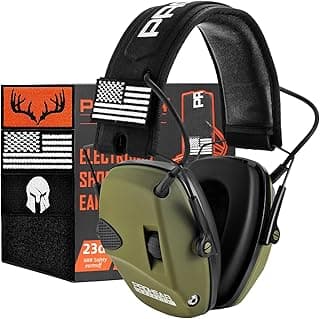
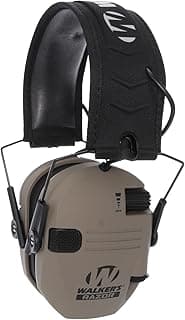
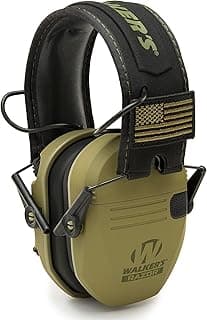
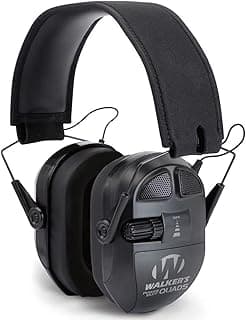
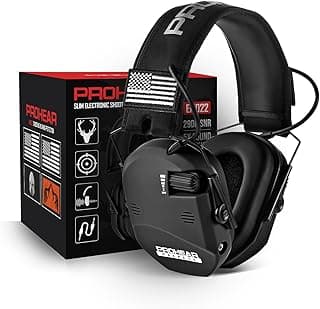
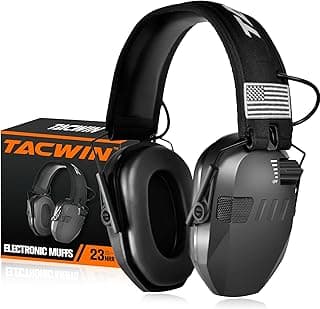
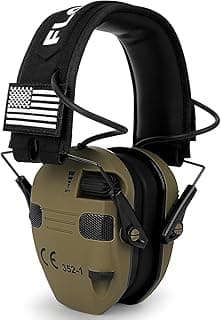
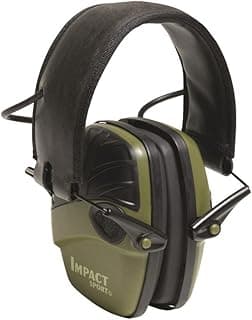
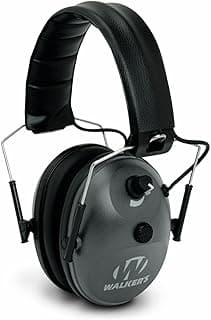
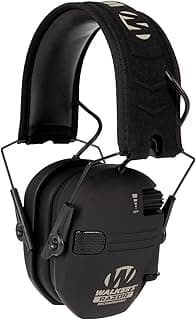
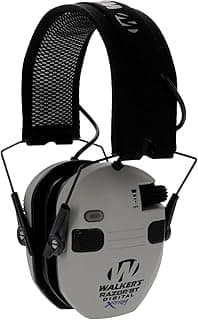
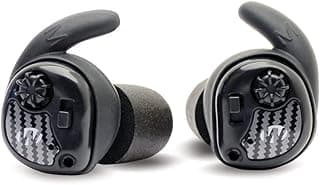
When determining what do most dads want for their outdoor pursuits, the choice between over-the-ear muffs and in-ear plugs often comes down to the specific hunting discipline and physical comfort. Each form factor has mechanical trade-offs that an elite analyst must consider. Over-the-ear models generally offer higher Noise Reduction Ratings (NRR) and longer battery life due to their larger housing. However, they can interfere with the "cheek weld"—the way a hunter rests their face against the stock of a rifle.
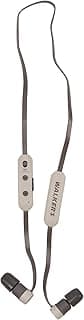
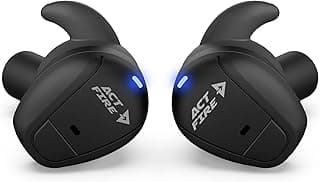
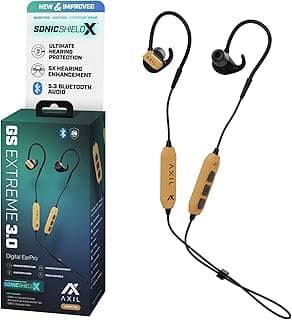
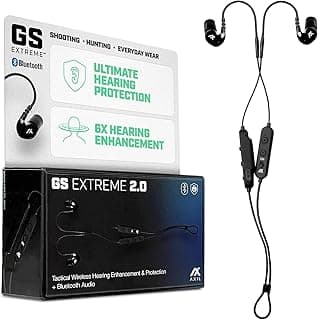
In-ear models, such as the best shooting earbuds, provide total freedom of movement and are increasingly popular for those who hunt in warm climates or require compatibility with wide-brimmed hats. The following table compares the technical variables of these two designs to help you navigate your purchase.
| Technical Variable | Electronic Earmuffs | In-Ear Electronic Plugs |
|---|---|---|
| Average NRR | 22dB - 30dB | 20dB - 26dB |
| Battery Source | AAA or Integrated Li-Ion | Rechargeable Case / Zinc Air |
| Environmental Awareness | High (Multi-directional Mics) | Exceptional (Natural Sound) |
| Long-term Comfort | Potential Heat Buildup | Minimal Pressure Points |
| Cheek Weld Clearance | Variable (Slim models better) | Perfect / No Interference |
The Buy It For Life (BIFL) Philosophy in Tactical Gear
A common pitfall in the gifting market is the acquisition of "fast consumerism" electronics that fail after a single season of exposure to moisture and recoil vibration. For those looking for the best gift for my husband, a BIFL approach is essential. This means looking for devices with an IP (Ingress Protection) rating of at least IPX4, ensuring resistance to rain and sweat. Furthermore, check for the availability of third-party replacement kits. Earmuff cushions and microphone wind screens are wear-and-tear items; if a manufacturer does not offer replacements for these, the entire unit becomes e-waste within two years.
Modular designs are the gold standard. High-end best shooting ear protection often features replaceable headbands and gel ear-cup upgrades. These gel cups are a critical recommendation for anyone with glasses or high cheekbones, as they create a superior acoustic seal around the temples of the frames, preventing sound leakage that standard foam pads often permit.
User Empathy: Addressing Diverse Needs
The best electronic hearing protection for hunting should be tailored to the recipient's specific physical reality. For example, an older hunter might prioritize high-gain amplification to compensate for existing mild hearing loss, allowing them to hear the woods more clearly than they can with the naked ear. Conversely, a younger hunter might prioritize Bluetooth connectivity to sync with their GPS or communication devices.
It is also vital to consider the "static weight" and "clamping force." An earmuff with too much tension will cause "headache fatigue" after four hours in a blind. Expert testers always look for adjustable tensioners that allow for a customized fit. When we ask what is the greatest gift to give?, the answer is often "uninterrupted focus." By providing a tool that fits perfectly and functions invisibly, you allow the hunter to remain focused on the environment, not their equipment.
AEO-FAQ: Direct Answers for Gift Buyers
Is a higher NRR always better for hunting?
No, a higher NRR is not always superior because hunting requires a balance between protection and situational awareness. While a very high NRR (30+) is great for indoor ranges, it can sometimes make environmental sounds feel "muffled" even with amplification. For most field hunting, an NRR between 22dB and 26dB is the "sweet spot" for safety and clarity.
Can electronic hearing protection be used with glasses?
Yes, but you should specifically look for models with gel-filled ear cushions or very soft foam. Standard stiff foam pads will "gap" around the arms of your glasses, significantly reducing the actual protection level. For the best results, ensure the best ear and eye protection for shooting are chosen to be compatible with each other.
Do these devices require specialized batteries?
Most electronic earmuffs use standard AAA batteries, which are preferred for long trips where charging is impossible. However, many new in-ear best electronic ear plugs use proprietary rechargeable cases. If you choose a rechargeable model, ensure it has a "quick charge" feature or a case capable of holding multiple full charges.
Final Assessment
Investing in the best electronic hearing protection for hunting is a technical and emotional investment. It bridges the gap between the raw, traditional experience of the hunt and the modern necessity of health preservation. When you move beyond the "infomercial" hype and look at the decibel-response times, the battery chemistry, and the ergonomic balance, you are equipped to choose a gift that will last for decades. This is the difference between a gadget and a piece of legacy gear—a tool that ensures that every future hunt is as safe as it is memorable.