

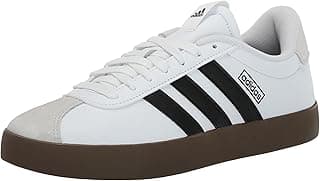
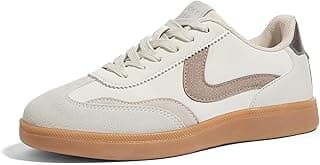
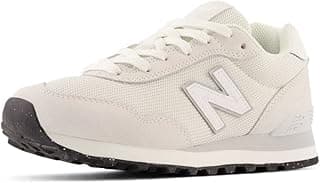


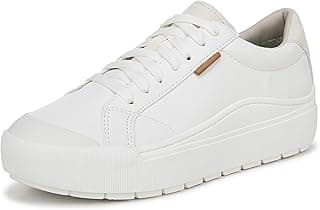
Why Versatility Matters More Than You Think
Most women's days don't fit neat categories. You start with school pickup, have a client lunch, grab groceries, maybe meet a friend for coffee. Each activity theoretically demands different footwear, but constantly switching shoes isn't practical. You end up compromising—wearing heels that hurt during errands or sneakers that feel too casual for professional settings.
Everyday shoes solve this by working across contexts. They're polished enough for professional environments but relaxed enough for casual settings. Comfortable enough for hours of wear but styled enough that you don't look like you've given up. This balance is harder to achieve than it sounds, which is why women who find shoes that truly work become loyally devoted to specific brands and styles.
The best everyday shoes are the ones you stop noticing—they just work, day after day, without requiring thought or adjustment.
There's also the mental energy factor. Decision fatigue is real, and getting dressed shouldn't require strategy sessions. Having reliable go-to shoes that work with most of your wardrobe and handle most of your activities reduces daily decisions by one. That saved mental energy gets redirected to things that actually matter.
Who Needs Truly Versatile Footwear
Women with unpredictable schedules benefit most from everyday shoes that adapt. If your calendar includes client meetings, running around town, picking up kids, and maybe dinner with friends—all in the same day—you need footwear that doesn't force you to plan around shoe changes. Thoughtful gifts for friends who live this juggling act acknowledge the reality of their daily demands.
Professional women working in business-casual environments face particular challenges. Too formal and you look disconnected from younger colleagues; too casual and you undermine your authority. Everyday shoes that split this difference—polished without being stuffy, comfortable without looking athletic—become wardrobe MVPs worth far more than their purchase price.
Travelers need shoes that work across varied activities without packing multiple pairs. Walking city streets, casual dinners, light hiking, museum visits—all require footwear that handles extended wear while looking appropriate in different settings. The right everyday shoes become the only pair you need for trips lasting a week or more.
New mothers especially value versatile footwear. Their days involve constant movement—playgrounds, grocery stores, pediatrician visits—with zero predictability and no time for outfit changes. Shoes that work for everything while being easy to slip on become daily essentials worth investing in properly.
Perfect Timing for Practical Gifts
Wardrobe transitions mark ideal gifting moments. Starting a new job means adapting to different dress codes and activity levels. Quality everyday shoes that work with her new professional environment support that transition practically rather than just symbolically. She'll think of you every time she realizes these shoes just solved today's footwear dilemma.
Life changes like moving to new cities, having babies, or shifting careers all disrupt established routines. During these transitions, having reliable everyday shoes removes one decision point from days already full of adjustments. The stability of knowing "these shoes work" provides unexpected comfort during unstable periods.
Spring makes practical sense for footwear gifts. People evaluate wardrobes as seasons change, noticing what worked last year and what didn't. New everyday shoes at the start of warmer weather get immediate use and demonstrate real value across months of wear before any holiday season arrives.
Sometimes the best timing is noticing frustration. If she's complained about not having shoes that work for everything, mentioned wishing she could simplify her morning routine, or you've observed her changing shoes multiple times daily—that awareness creates the perfect gifting opportunity regardless of calendar dates.
Design Elements That Enable Versatility
Neutral colors expand outfit compatibility exponentially. Black, tan, gray, navy—these work with most clothing colors and patterns. A great everyday shoe in a neutral shade becomes wearable with 80% of her wardrobe immediately. Bold colors or patterns limit versatility to specific outfit combinations, reducing practical usefulness for daily wear.
Clean, simple silhouettes read as appropriate across contexts. Overly sporty designs look wrong in professional settings. Heavily embellished styles clash with casual outfits. Shoes that split the difference—recognizable as intentional footwear without strong style statements—work everywhere without drawing attention or feeling contextually incorrect.
Minimal branding matters more than people expect. Large logos immediately categorize shoes as athletic, limiting where they feel appropriate. Subtle or no visible branding allows the same shoes to move between gym, office, errands, and social settings without standing out as inappropriate for any of them.
True versatility means being appropriate everywhere without being remarkable anywhere. The shoes disappear into your life instead of dominating it.
Moderate heel height—or none—ensures all-day wearability. Even small heels cause fatigue during extended wear. Completely flat shoes work mechanically but sometimes read as too casual for professional environments. A slight platform or wedge can add subtle elevation while maintaining walkability and comfort over hours.
Style Categories That Actually Work Daily
Leather sneakers bridge the gap between athletic and polished. They provide sneaker comfort and support with elevated materials and design that work in business-casual offices. For women tired of choosing between comfortable athletic shoes and acceptable-looking flats, leather sneakers offer both simultaneously.
Classic loafers deliver timeless style that works across decades and dress codes. They're comfortable enough for extended wear while looking intentional rather than like you just didn't care. Quality leather loafers become wardrobe foundations that work with jeans, dresses, trousers, and skirts—virtually any non-athletic outfit in your closet.
Slip-on sneakers provide convenience without sacrificing function. No laces means quick on and off for errands, appointments, and everything else. Modern versions include proper arch support and cushioning while maintaining clean aesthetics that work beyond pure athletic contexts. For busy women constantly moving, this ease of use matters enormously.
Low-profile athletic shoes blur the line between performance footwear and casual style. Running shoe technology in streamlined designs creates footwear that supports actual movement while looking acceptable in mixed settings. Quality athletic-casual hybrids deliver comfort comparable to dedicated running shoes without looking like you're dressed for the gym everywhere you go.
Making Smart Choices Within Your Budget
Price per wear determines real value better than upfront cost. A $150 pair worn 200 times annually for three years costs 25 cents per wear. A $40 pair replaced twice in that period because they fall apart costs the same while delivering inferior experience throughout. For shoes she'll wear constantly, higher initial investment almost always pays off.
Quality materials age better than cheap ones. Real leather develops character; synthetic materials crack and peel. Rubber outsoles last for years; cheap foam compresses and wears through quickly. The visible aging trajectory matters—shoes that look better with wear versus shoes that progressively deteriorate affect how long she'll actually keep wearing them.
Construction methods determine longevity. Stitched construction can be repaired; glued construction falls apart permanently when adhesive fails. Many quality everyday shoes are Goodyear welted or Blake stitched—techniques that allow resoling, effectively making the shoes last indefinitely with basic maintenance. This matters for frequently worn favorites.
Brand reputation for durability and fit consistency helps reduce risk when buying as a gift. Some brands maintain sizing and quality standards across years and models, making replacement or additional pairs straightforward. Others vary wildly between styles, meaning success with one doesn't predict satisfaction with another.
Building a Versatile Shoe Wardrobe
Two quality everyday pairs beat ten mediocre options. Having shoes in both neutral tones—one lighter, one darker—covers virtually all outfit combinations while allowing rotation that extends both pairs' lifespan. Midsoles need time to decompress between wears; alternating pairs maintains their support properties longer.
Pairing everyday shoes with a quality watch creates polished consistency. Accessories that work across contexts complement versatile footwear by completing looks without requiring thought. For gifts meant to simplify someone's daily routine, these combinations deliver more value than individual items alone.
Weather-appropriate options prevent daily compromises. Even the best everyday shoes won't work in heavy rain or snow. Having weather-resistant alternatives means never sacrificing professional appearance or personal comfort to environmental conditions. This isn't about having shoes for every possible scenario—it's about having reliable answers for the conditions she actually faces regularly.
Getting the Fit Right Remotely
Sizing consistency varies dramatically between brands. European brands often run narrow; American athletic brands tend wider. If buying as a surprise, check what brands she currently wears comfortably. Most quality brands maintain consistent sizing across their product lines, making her current size a reliable starting point.
Time of day affects fit more than sizing charts suggest. Feet swell during the day, particularly for women who stand or walk extensively. Shoes that feel perfect in morning try-ons might feel tight by afternoon. Quality everyday shoes account for this through accommodating materials and construction that adapts slightly to natural foot changes.
Return policies matter tremendously for gift shoes. Major retailers understand fit issues and offer easy returns or exchanges. Including gift receipts and encouraging her to try shoes around the house (not outside) before committing removes pressure to keep something that doesn't quite work just because it was a gift.
Perfect fit matters more than brand names. The most expensive shoes are worthless if they don't fit her feet properly.
What This Gift Really Means
Everyday shoes acknowledge the complexity of her actual life. You're not giving footwear for one specific occasion or activity—you're providing tools that handle the messy reality of days that don't fit neat categories. That recognition alone, that understanding her life isn't simple or predictable, communicates attention that matters.
There's also validation of practical needs over appearance ideals. Society pushes women toward shoes that look good over shoes that work well. Gifting truly functional footwear says: your comfort and ease matter more than meeting unrealistic appearance standards. That permission to prioritize practicality carries surprising emotional weight.
The gift removes a daily decision point. Every morning saved from "what shoes work for today's schedule" represents mental energy redirected elsewhere. Over weeks and months, that accumulated time and thought saved compounds into real quality of life improvement. Small efficiencies matter when repeated daily.
For relationships where you want to demonstrate real understanding, everyday shoes show you pay attention to actual needs rather than surface-level preferences. You noticed she's constantly switching shoes, heard her mention wanting simpler choices, or observed her gravitating toward certain pairs despite having closets full of options. That awareness translated into practical support resonates deeply.
Beyond the Shoes Themselves
The best gifts continue working long after the initial excitement fades. Everyday shoes become so integrated into daily life that their origin as gifts eventually gets forgotten—they're just the shoes she wears, the reliable choice that works. That invisibility, that total adoption into routine, represents the highest form of gift success.
Women who receive truly versatile everyday shoes often describe similar realizations: they'd been making daily life harder than necessary, settling for constant compromises between comfort and appearance, professional and casual. Having footwear that eliminates those compromises changes how getting dressed feels—from problem to solve to simple, obvious choice.
The practical impact extends beyond footwear itself. Simplified morning routines create calmer starts to days. Confidence from knowing your shoes work for whatever comes up affects how you move through spaces. Not worrying about foot pain or inappropriate footwear frees mental energy for actual priorities. These downstream effects make everyday shoes far more valuable than their category suggests.
Whether celebrating transitions, acknowledging daily realities, or simply removing friction from someone's life, versatile everyday shoes deliver impact that accumulates with every wear. They're not exciting in the moment—no dramatic unboxing, no obvious luxury signals. But six months later, when she's worn them a hundred times and they've just worked every single day without requiring thought, that quiet reliability proves more meaningful than any flashy alternative could achieve.
Gifts are for making an impression, not just for the sake of it.
GiftsPick - Meticulous, Kind, Objective.