

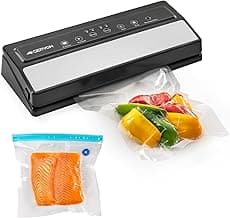
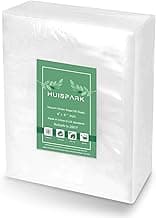

![[2025 Upgraded] Syntus 11" x 150' Vacuum Sealer Bags for Food with Cutter, Vacuum Sealer Bags Roll Keeper BPA-free Heavy-duty Commercial Grade for Food Storage, Meal Prep and Sous Vide](/_next/image/?url=https%3A%2F%2Fm.media-amazon.com%2Fimages%2FI%2F71gLaCYfn8L._AC_UY218_.jpg&w=640&q=75)
Bag Material Science: What Actually Matters
Thickness measurements indicate durability and puncture resistance—3-mil (0.003 inch) minimum for standard use, 4-mil+ for bones, sharp edges, or extended storage. Thinner bags cost less but puncture easily, leak slowly, and prove false economy when food spoils requiring replacement. However, restaurant-grade 6-mil bags prove overkill for residential use—wasting money on capability home environments don't demand.
Multi-layer construction prevents oxygen permeation better than single-layer designs—critical for long-term storage where air slowly infiltrates compromising preservation despite initial vacuum. Quality bags use nylon/polyethylene combinations balancing puncture resistance with heat sealability. Budget single-layer bags work for short-term storage (weeks) but fail for extended preservation (months) regardless of initial seal quality.
BPA-free food-safe certification proves mandatory—not optional safety feature but basic requirement for anything contacting food you'll consume. However, "BPA-free" doesn't guarantee overall safety—other plasticizers potentially concerning. FDA-approved food contact materials specifically, not just generic "BPA-free" marketing, separates genuinely safe from potentially problematic. When exploring food storage solutions, reference vacuum storage options for non-food applications where different material standards apply.
Reusable vs Disposable: The Environmental Math
Reusable silicone bags cost $10-20 each but withstand 50-100+ uses—economically superior to disposable $0.25-1.00 plastic bags after 20-40 uses. Environmental benefit comes from reduced waste, though silicone production carries its own footprint. The best reusable vacuum seal bags for food justify premium through sustained use—collapsing into expensive waste if abandoned after initial trial because they prove inconvenient washing and drying between uses.
However, reusable bags demand discipline—washing thoroughly, drying completely, and maintaining seal integrity through many cycles. Someone barely maintaining basic dish-washing routines won't suddenly embrace elaborate bag maintenance regardless of environmental intentions. Disposable bags serve those accepting environmental cost for convenience they'll actually use versus reusable systems requiring maintenance commitment they won't sustain.
For raw meat storage specifically, disposable often proves wiser—contamination concerns and thorough cleaning difficulty making reusable bags risky for repeated raw meat contact. Reusables work better for dry goods, vegetables, or cooked foods where contamination risks stay manageable. This usage division enables combining approaches—reusables for appropriate foods, disposables for contamination-prone items—rather than forcing single-solution ideology onto varied practical realities.
Sous Vide Specific Requirements
The best vacuum bags for sous vide must withstand sustained temperatures (130-185°F typical) without leaking, degrading, or leaching chemicals into food. Standard freezer bags melt or leak—creating water-logged disappointing meals and potential chemical exposure concerns. Purpose-rated bags prove non-negotiable for this specific application despite working adequately for simple freezer storage.
Chamber vs. edge sealers create different bag requirements—edge sealers needing textured/embossed bags enabling air evacuation, chamber sealers working with smooth flat bags. Many people buy wrong bag type for their sealer, experiencing poor results they attribute to technique or equipment when actually just incompatible bag-sealer combinations. Matching bag to sealer type proves essential, not optional optimization.
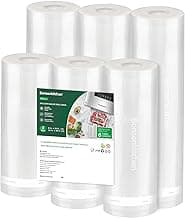
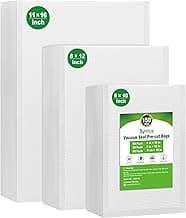
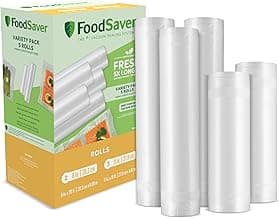
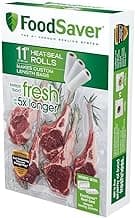
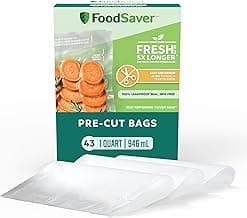
Pre-cut bags versus rolls present convenience versus economy trade-offs—pre-cut eliminates cutting and measuring but costs 30-50% more per bag. Rolls enable custom sizing reducing waste from oversized bags but add prep steps potentially preventing regular use. For gift contexts, pre-cut proves safer recommendation unless recipient explicitly embraces roll customization's efficiency versus convenience calculation.
The Cost Reality Check
Name-brand bags from sealer manufacturers cost $0.50-1.50 per bag—significant expense when vacuum sealing frequently. Generic compatible bags often deliver 80-90% performance at 40-60% cost—adequate for most applications despite manufacturer warnings about using only official bags. The premium funds brand recognition more than proportional quality improvement at consumer use levels versus commercial demands.
However, cheapest generic bags prove false economy—$0.10 bags that leak within weeks waste both food and money. The value zone sits at $0.25-0.40 per bag from established third-party manufacturers producing FoodSaver-compatible products specifically versus truly generic imports of unknown quality and safety. This middle ground delivers adequate capability at reasonable cost without premium brand tax or risk from bottom-tier quality compromises.
Cost-per-meal calculations determine whether vacuum sealing justifies expense—preserving expensive proteins (steak, fish, game) easily justifies bag costs. Vacuum sealing $2/pound chicken quarters seems elaborate unless buying in sufficient bulk that preservation prevents waste offsetting bag expense. Match preservation method to food value rather than uniform approach treating all foods identically regardless of whether preservation cost makes economic sense.
The best food preservation isn't most elaborate—it's whatever prevents waste you'll actually sustain rather than complicated systems abandoned after initial enthusiasm fades.
When Vacuum Sealing Proves Overkill
Weekly meal prep for fresh consumption within days doesn't justify vacuum sealing complexity—simple containers work fine when food gets consumed quickly. The preservation benefit requires storage duration measuring weeks to months, not days. Someone prepping Sunday through Thursday meals doesn't need oxidation prevention relevant for multi-month freezer storage making elaborate sealing system unnecessary overhead.
Small households consuming food rapidly find vacuum sealing solves problems they don't actually have. If everything you freeze gets eaten within two weeks, standard freezer bags suffice despite inferior long-term preservation. The technology serves specific storage duration needs—acknowledging when those needs don't exist prevents purchasing elaborate solutions for non-existent problems.
Foods consumed at quality-indifferent applications—smoothie ingredients getting blended, soups requiring reheating, pet food—don't demand premium preservation maintaining texture and appearance. Standard storage proving adequate for non-presentation uses makes vacuum sealing unnecessary expense funding preservation quality wasted on applications where degradation proves imperceptible in final product.
Gift Timing Considerations
Alongside vacuum sealer purchase: Someone buying sealer needs compatible bags immediately—gifting appropriate bag supply shows attention to complete system requirements rather than just appliance itself. However, verify compatibility before assuming bags work with their specific sealer model avoiding frustration from incompatible products despite good intentions.
After hunting or fishing success: Someone processing significant harvest needing long-term storage deserves tools protecting their effort's value. Timing gift to successful season shows support for their outdoor pursuits while enabling enjoying results throughout year rather than rushing consumption or accepting quality loss inadequate storage creates.
When meal prep interest emerges: Someone expressing intention toward batch cooking deserves enabling tools if they demonstrate actual commitment beyond just verbal planning. However, avoid gifting elaborate systems for aspirational behaviors people mention but never actually implement—assess genuine follow-through likelihood versus just enthusiasm about ideas they won't sustain practically.
Bulk purchase opportunities: When recipients gain access to bulk buying—new warehouse club membership, split half-cow with neighbors, farm share subscriptions—proper storage tools protect investment these opportunities represent. Recognition of their economic strategy demonstrates understanding beyond just congratulating participation in bulk buying without acknowledging preservation requirements making such purchases worthwhile.
What Success Actually Looks Like
Success isn't elaborate vacuum-sealed freezer organization photos posted on social media—it's sustained system use six months later, reduced food waste evident in less-full trash cans, and reported satisfaction with eating quality of preserved foods. These practical outcomes demonstrate gift served actual utility rather than just generating momentary enthusiasm for organizational systems that collapse once novelty fades.
Positive indicators include: recipient regularly mentioning vacuum sealing food, visible reduction in grocery spending through bulk buying and preservation, or unprompted reports about how much better freezer food tastes now. Negative indicators: bags sitting unopened months after gifting, recipient complaining about system complexity, or return to previous storage methods suggesting vacuum sealing proved incompatible with actual routines despite theoretical advantages.
For gift contexts involving significant bag quantity investment, include gift receipt explicitly—enabling exchange if specific bag type proves incompatible with their sealer or usage patterns. Some people discover after trial that reusable bags require more maintenance than they'll sustain, or that pre-cut bags cost more than their usage justifies, or that entire system proves more elaborate than their lifestyle accommodates. Flexibility enables correcting mismatches without waste or guilt about not using inappropriate gift regardless of thoughtful selection intentions.
Gifts are for making an impression, not just for the sake of it.
GiftsPick - Meticulous, Kind, Objective.