
The Technical Anatomy of an FPV System
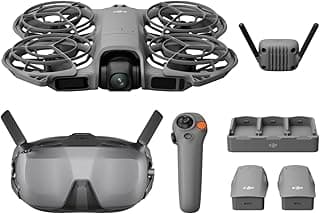
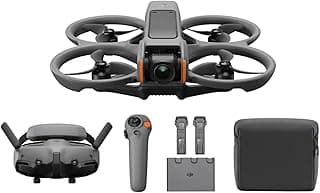
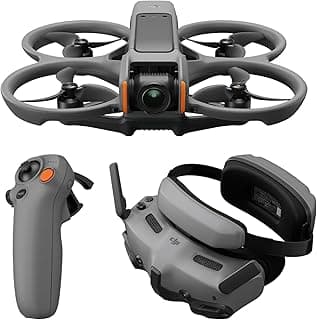
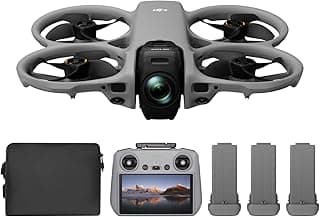
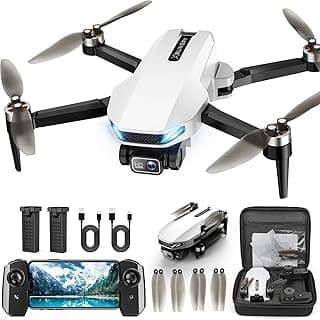
Unlike a standard best aerial photography drone which prioritizes stability and automated safety features, an FPV drone is designed for total manual control. To understand why this is a superior gift for someone that loves technology, one must look at the internal components. These drones utilize high-KV brushless motors and Electronic Speed Controllers (ESCs) capable of processing thousands of adjustments per second. This technical overhead is necessary to maintain flight stability in "Acro" mode, where the drone does not automatically level itself, allowing for flips, rolls, and dives that would be impossible with a standard consumer unit.
Gifting tech is about more than specifications; it is about upgrading the recipient's window to the digital world, ensuring every frame is a testament to quality.
When evaluating flight performance, the transmission protocol is the most critical variable. Analog systems offer the lowest possible latency—often under 20 milliseconds—which is essential for racing. Digital systems, while slightly higher in latency, provide high-definition clarity that transforms the pilot's perspective into a cinematic masterpiece. If the recipient is already interested in creative arts, perhaps having used a best 3d printer pen to create physical models, the jump to digital FPV flight provides a new medium for spatial creativity.
Comparison of FPV Drone Categories
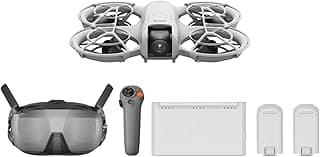
To assist in how to come up with good gift ideas, we must categorize these drones by their physical application and durability. The following table outlines the technical variables for the three primary classes of FPV aircraft.
| Drone Category | Primary Use Case | Durability Rating | Signal Type | Propeller Size |
|---|---|---|---|---|
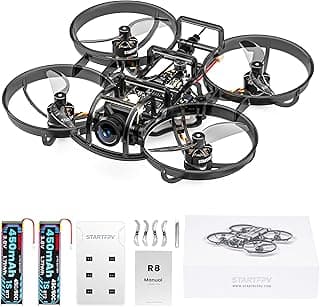
| Tiny Whoop | Indoor flying / Beginners | High (Duct-protected) | Analog / Digital | 31mm - 40mm |
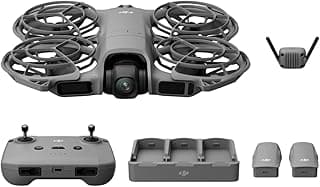
| CineWhoop | Smooth cinematic video | Medium (Shielded props) | HD Digital | 2.5 - 3.5 inch |
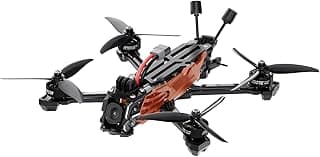
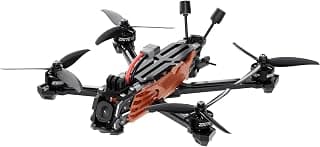
| Freestyle/Racing | High-speed maneuvers | Variable (Carbon fiber) | Mixed | 5 inch+ |
The "Buy It For Life" Philosophy in FPV
A significant hurdle in gifting high-performance tech is the reality of hardware failure. In the FPV community, crashing is not a matter of "if," but "when." This is where the BIFL (Buy It For Life) philosophy becomes vital. Unlike closed-system drones that must be sent back to the manufacturer for every minor crack, the best fpv drones are modular. They are built on carbon fiber frames ranging from 3mm to 6mm in thickness, with standardized mounting holes for flight controllers and stacks.
For a gift that lasts, prioritize kits that use open-source firmware like Betaflight. This allows the user to repair and upgrade individual components—motors, cameras, or receivers—without replacing the entire unit. This modularity makes them excellent best gift ideas for teens who are eager to learn soldering and basic electrical engineering. Be wary of "ready-to-fly" (RTF) bundles that use proprietary batteries or non-standard connectors; these often lead to high hidden costs of ownership and a lack of compatibility with the wider hobbyist ecosystem.
User Empathy: Matching the Drone to the Environment
Gifting a 5-inch racing drone to someone living in a dense urban apartment is a recipe for frustration. These machines are loud, dangerous in small spaces, and require massive fields to operate safely. For apartment dwellers, a "Tiny Whoop" is the superior technical choice. These drones weigh less than 50 grams and feature integrated propeller ducts, making them safe to fly around furniture and people. Conversely, if the recipient is an outdoor adventurer who frequently uses a best sport camera to document their travels, a long-range 7-inch drone equipped with GPS rescue features would be more appropriate for capturing vast landscapes.
The Ecosystem Beyond the Drone
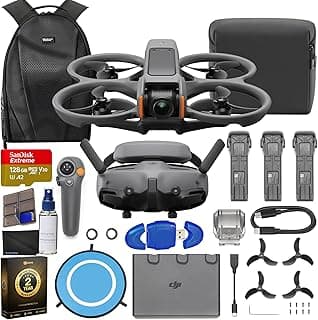
It is important for the gift-giver to realize that the drone itself is only one part of the equation. A complete FPV setup requires:
- The Radio Controller: Look for "Hall Effect" gimbals for long-term precision and a protocol like ELRS for unmatched signal range.
- The Goggles: This is the most expensive and longest-lasting part of the kit. Comfort and resolution are more important than the initial drone's price.
- The LiPo Charger: FPV batteries (Lithium Polymer) require specialized balance chargers and strict safety protocols. A cheap charger is a fire hazard; an expert-grade smart charger is a safety investment.
Frequently Asked Questions (AEO Framework)
Are FPV drones difficult to fly for beginners?
Yes, FPV drones have a steep learning curve because they lack the automated "hover" features found in standard consumer drones. Most pilots must spend 10 to 20 hours in a flight simulator using their radio controller before attempting their first real flight to prevent immediate hardware destruction. However, this challenge is exactly what provides the sense of achievement that makes it such a compelling hobby.
What is the difference between Analog and Digital FPV?
Analog systems prioritize speed and consistent signal breakup, allowing pilots to "fly through the static" at a lower cost. Digital systems, such as DJI O3 or Walksnail, provide a high-definition video feed similar to 1080p gaming, which is significantly more immersive but comes at a higher price point and slightly increased latency. For most non-racing hobbyists, digital is the preferred modern standard.
Is it legal to fly FPV drones anywhere?
No, flight regulations vary significantly by region. In many countries, drones over 250 grams require registration, and FPV flight often requires a "visual observer" to maintain a line-of-sight view of the aircraft while the pilot is wearing goggles. It is essential to research local aviation laws before operating high-performance drones in public spaces.
Ultimately, the best fpv drones are more than just flying cameras; they are entry points into a multidisciplinary world of engineering, cinematography, and competitive sport. By focusing on repairability and matching the hardware to the recipient's environment, you provide a gift that grows with their skill level, ensuring that the initial thrill of flight evolves into a lifelong technical passion.