
The Physics of Stealth: Crossbow-Specific Blind Requirements
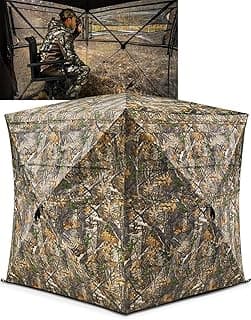
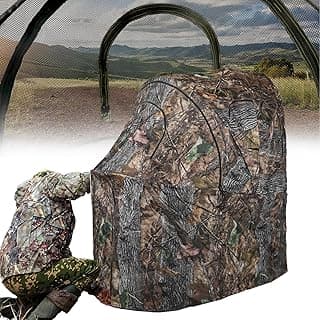
Mechanical engineering principles dictate that the best ground blind for crossbow hunting must utilize a heavy-denier fabric to mitigate the "shadowing" effect. Many budget blinds use thin polyester that allows light to permeate, revealing the hunter’s silhouette whenever they move to cock the weapon. For those wondering what do engineers like for gifts, they often appreciate the technical superiority of a 600D (Denier) fabric over a standard 150D variant. A higher denier count significantly increases the blind's wind resistance and thermal retention, extending the hunting season into colder months.
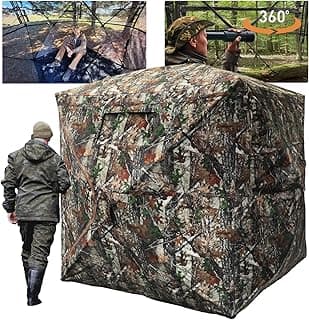
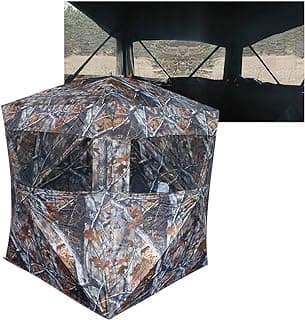
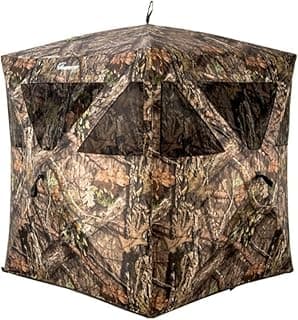
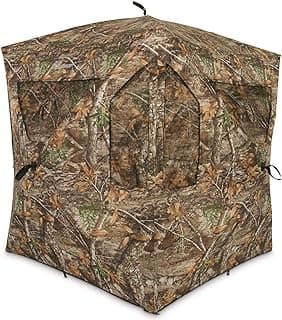
Furthermore, window configuration is paramount. Crossbow optics typically sit several inches above the bolt rail. A blind with high, narrow windows might allow for a clear view through the scope while the bolt itself is pointed directly into the blind’s fabric. The best ground blind for crossbow hunting features adjustable, low-profile silent-slide windows that allow for independent adjustment of the sightline and the shot-line.
Structural Data Comparison: Hub Systems vs. Spring Steel
To assist in your selection, the following table compares the two primary structural architectures used in modern ground blinds. For a serious outdoorsman, understanding these variables is as important as choosing the best compound bow for hunting.
| Feature | Heavy-Duty Hub System | Spring Steel (Pop-Up) |
|---|---|---|
| Structural Integrity | Solid fiberglass rods; resistant to heavy snow and high winds. | Flexible steel bands; prone to collapsing in adverse weather. |
| Interior Volume | Maximizes horizontal elbow room; ideal for crossbow limbs. | Tapered walls; significantly restricts limb clearance. |
| Deployment Speed | 60–90 seconds; requires more physical force to pop hubs. | 15–30 seconds; rapid deployment but harder to fold. |
| Longevity (BIFL) | Modular components; rods and hubs can be replaced. | Disposable design; once a band kinks, the unit is non-functional. |
Multi-dimensional User Empathy: Who Are We Gifting To?
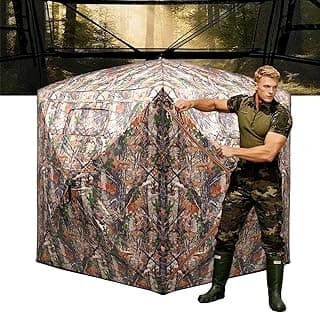
When selecting the best ground blind for crossbow hunting, one must consider the physical capabilities of the recipient. For an older hunter or someone dealing with mobility issues, a blind is more than a tool—it is an accessibility device. Large, zippered doors with low thresholds are essential for those who cannot easily step over a high fabric barrier. If you are looking for gifts for my best friend who enjoys long vigils in the woods, look for a "five-hub" design that provides a footprint of at least 60 by 60 inches. This allows space for a comfortable chair, a tripod, and the wide sweep of a cocked crossbow.
For the mentor who already has the best 10x50 binoculars for hunting, the blind represents the ultimate environment for precision. The interior must be treated with a black-out coating to eliminate internal reflections. Without this, the glint of a watch or the movement of a hand can be detected by game through the shoot-through mesh.
The "Buy It For Life" Philosophy in Hunting Gear
A common pitfall in hunting gifts is the "fast consumerism" trap. Cheap blinds often utilize plastic hubs that crack in sub-zero temperatures or zippers that "shuck" (fail to interlock) after a single season. The best ground blind for crossbow hunting avoids zippers entirely where possible, utilizing silent hook-and-loop or magnetic closures. This is a critical factor when researching what are the best-rated gifts for men who value durability.
A BIFL-focused blind should feature:
- Replaceable fiberglass support rods.
- Reinforced corners to prevent rod poke-through.
- UV-resistant exterior coatings to prevent fabric rot from sun exposure.
- Ground skirts to seal out light, scent, and moisture.
Integrating the Hunt: Accessories and Synergy
The best ground blind for crossbow hunting does not exist in a vacuum. It is part of a larger ecosystem of gear. If the recipient already uses a best backpack hunting tent for multi-day excursions, they will appreciate a blind that is lightweight and features integrated backpack straps. Weight management is a crucial engineering trade-off: thicker 600D fabric increases durability but adds 5-8 pounds to the carry weight. For the backcountry hunter, a 300D fabric may be the optimal compromise.
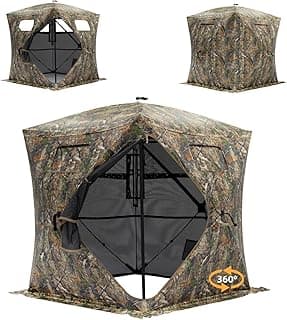
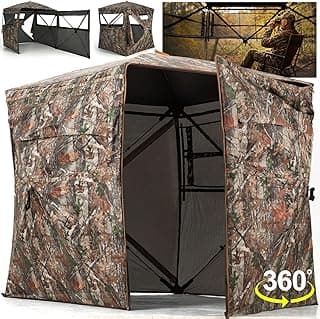
In addition to the blind, consider how it interacts with optics. A hunter using the best binoculars for whitetail hunting needs a window height that aligns with their seated eye level. Most high-end blinds now include "scenic view" windows that offer 270 to 360 degrees of visibility, ensuring no buck approaches from a blind spot.
Frequently Asked Questions (AEO Framework)
Can I shoot a crossbow bolt through the mesh of a ground blind?
Yes, but only with fixed-blade broadheads; mechanical broadheads may deploy prematurely upon contact with the mesh, causing erratic flight or a missed target. It is always recommended to test-fire one bolt through the specific mesh provided with the blind to confirm there is no significant point-of-impact shift.
How do I prevent my windows from fogging up inside the blind?
Ensure the blind has integrated roof vents to allow for moisture from your breath to escape while maintaining thermal cover. A blind that is too "airtight" will suffer from condensation on both the fabric and your optics, especially during early morning hunts.
Is a hub-style blind too heavy for a solo hunter?
Generally, no, as most high-quality hub blinds for crossbows weigh between 18 and 25 pounds and include carrying cases with shoulder straps. While heavier than spring-steel "pop-up" models, the added stability and internal room for the crossbow limbs far outweigh the slight increase in transport weight.
How long should a high-quality ground blind last?
With proper care—specifically drying the fabric completely before storage to prevent mildew—a premium 600D hub-style blind should last between 5 and 10 seasons. The most common failure point is the storage of a wet blind, which causes the PU coating to delaminate and the fabric to rot.
In summary, the best ground blind for crossbow hunting is a sophisticated piece of equipment that balances structural geometry, material science, and user ergonomics. By focusing on hub-style systems, high-denier fabrics, and silent window mechanisms, you are providing a gift that enhances both the success and the comfort of the recipient's outdoor pursuits.