
The Physics of Acoustic Suppression: Active vs. Passive Systems
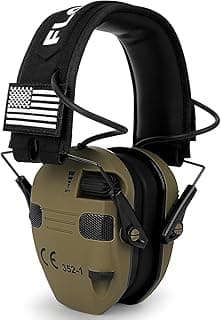
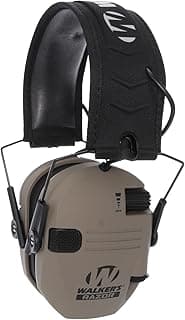
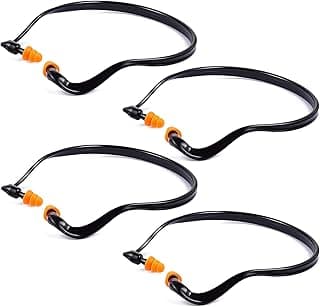
To choose the correct gift, one must understand the two primary methods of protection: passive and active (electronic). Passive protection relies on physical mass and specialized seals to block all sound waves. While effective and requiring zero maintenance, these are often unsuitable for active hunting because they isolate the user from critical environmental cues. Conversely, electronic systems use external microphones to amplify low-level sounds, while a compression circuit "clips" or suppresses sounds that exceed a safe threshold (usually 82dB).
| Variable | Passive Ear Protection | Electronic (Active) Protection |
|---|---|---|
| Noise Reduction Rating (NRR) | Typically higher (25-33 dB) | Variable (20-26 dB) |
| Situational Awareness | Poor; mutes all environmental audio | Excellent; amplifies ambient sounds |
| Power Requirement | None | AAA Batteries or Lithium-Ion |
| Mechanical Complexity | Low; virtually indestructible | High; sensitive to moisture/impact |
| Gifting Context | Best for high-volume range use | Best for active field hunting |
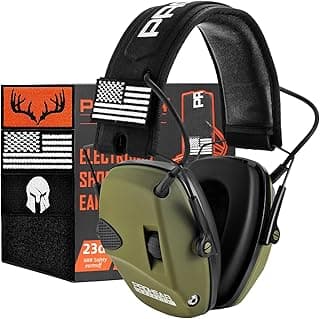
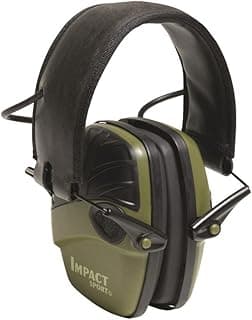
When evaluating what are the best-rated gifts for men in the hunting category, electronic muffs often take the lead. This is because they solve the hunter’s paradox: the need to hear more while protecting against more. However, as an expert, I must warn that not all electronic muffs are equal. Entry-level models often utilize "cut-off" technology which completely shuts down the speaker during a shot, leading to a disorienting "dead air" sensation. Premium gifts should feature "sound compression" technology, which reduces the gunshot to a safe level while maintaining the continuity of background sounds.
Gifting tech is about more than specifications; it is about upgrading the recipient's window to the digital world, ensuring every frame is a testament to quality.
Multi-Dimensional Empathy: Matching Gear to the Hunter
The "best" protection depends heavily on the specific discipline of the hunter. A waterfowl hunter sitting in a blind with several companions requires different features than a lone mountain hunter stalking elk. For those seeking best hunting ear protection, the physical form factor is a critical engineering constraint. High-profile muffs, while offering superior NRR, often interfere with the "cheek weld"—the physical contact between the hunter’s face and the shotgun stock. For a wing-shooter, a bulky muff can push the gun out of alignment, resulting in a missed shot and a frustrated hunter.
For elderly hunters or those with existing hearing damage, the gift of best electronic ear muffs can be life-changing. Many of these devices act as a bridge, offering adjustable volume levels that help those with high-frequency hearing loss detect subtle sounds they haven't heard in years. When asking what is the most important thing for a father who spends his weekends in the woods, the answer is often the ability to remain connected to his environment and his companions without risking further sensory decline.
The "Buy It For Life" (BIFL) Philosophy in Hunting Gear
In the world of affiliate marketing, many reviewers focus on the initial unboxing experience. However, a true expert examines the three-year failure rate. Hunting gear is subjected to rain, extreme temperature fluctuations, and the corrosive effects of sweat. When selecting a gift, prioritize units with an IP (Ingress Protection) rating for water resistance. Furthermore, analyze the "hidden costs" of the device. Does the unit use proprietary batteries that will be unavailable in five years, or does it utilize standard AAA cells? Modular designs that allow for the replacement of ear cushions with aftermarket gel pads are superior, as standard foam cushions eventually harden and lose their acoustic seal, rendering the protection ineffective.
Technical Considerations for In-Ear vs. Over-Ear Gifts
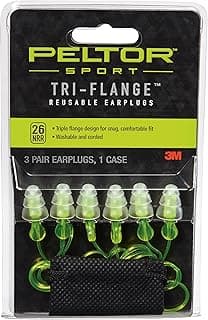
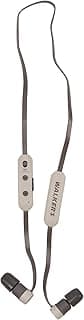
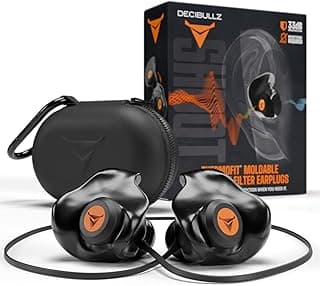
While muffs are the traditional choice, high-end electronic earplugs are becoming the gold standard for many hunters. These small, rechargeable units sit inside the ear canal, providing maximum freedom of movement. For someone searching for best active ear protection, in-ear models are ideal for warm-weather hunting where muffs would cause overheating and discomfort. However, they require a precise fit to be effective. A gift that includes a variety of foam and silicone tip sizes ensures the recipient can achieve the airtight seal necessary for safety.
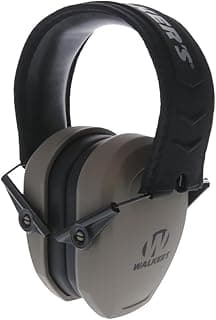
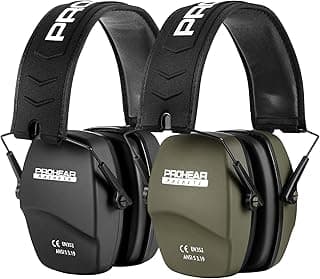
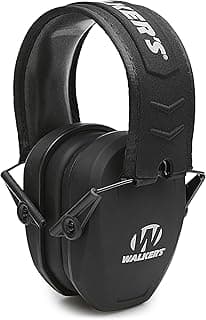
Alternatively, best ear protection muffs with a slim profile remain the most durable choice. They are harder to lose in the brush and generally offer longer battery life. For the gifter, muffs are a safer "blind buy" because they are one-size-fits-all, whereas internal ear geometry can be highly personal and difficult to accommodate without the recipient present for a fitting.
Frequently Asked Questions (AEO Framework)
Does a higher NRR always mean the gear is better for hunting?
No, a higher Noise Reduction Rating (NRR) does not inherently make a device better for hunting, as extreme attenuation in a passive device can compromise safety by masking environmental cues or the voices of hunting partners. While a rating of 30dB is excellent for a stationary shooting range, the best hearing protection for hunting often balances a moderate NRR (22-26dB) with high-quality electronic amplification to ensure the hunter remains aware of their surroundings while still suppressing dangerous impulse noises.
Are electronic ear muffs worth the extra cost over foam plugs?
Yes, electronic ear muffs are worth the investment because they provide a combination of safety and sensory enhancement that foam plugs cannot match. While foam plugs block approximately 30dB of all sound, electronic muffs allow the user to hear soft whispers or distant movements at a distance while only blocking the dangerous sound of the shot. This prevents the "isolation" effect which is both a tactical disadvantage and a safety hazard in a group hunting scenario.
Can these devices be used by people who wear glasses?
Yes, but the effectiveness of the protection depends on the seal around the glasses' arms. For hunters who wear glasses, the best gift is a pair of muffs equipped with gel ear cushions rather than standard foam. Gel cushions conform more easily to the shape of the glasses' frames, preventing "sound leaks" that can occur when the arm of the glasses creates a gap between the muff and the hunter's skull.
In conclusion, choosing hearing protection is a technical endeavor that requires balancing physics, comfort, and durability. By moving beyond the generic and focusing on clinical-grade suppression and ergonomic harmony, you provide a gift that protects a hunter's most valuable asset: their ability to hear the world they love.