

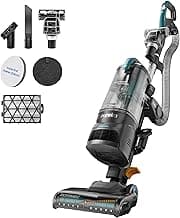
The Sealed System Distinction That Separates Real From Marketing
Here's where most "HEPA" claims fall apart: having a HEPA filter means nothing if the vacuum's body leaks. Air bypasses the filter through gaps and seams, rendering the expensive filtration stage decorative. Sealed systems channel all airflow through the HEPA filter—no shortcuts, no exceptions.
When researching best HEPA filter vacuums as gifts, verify complete sealing certification. This separates premium tools from budget imposters wearing HEPA badges. The price difference reflects engineering integrity, not brand markup.
Multi-stage filtration matters too. Pre-filters catch larger debris before it reaches HEPA media, extending filter life and maintaining suction efficiency. Some models include activated charcoal for odor control—valuable for homes managing pet smells or cooking residue alongside allergen concerns.
Upright vs Canister: Matching Form to Recipient Lifestyle
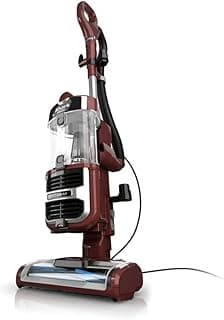
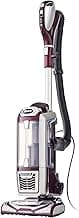
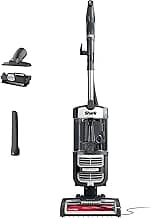
Upright designs excel at straightforward carpet cleaning—ideal for single-level homes or recipients who prioritize speed over versatility. They're intuitive, store compactly, and feel familiar. Perfect for someone who values efficient routines over complex features.
Canister vacuums shine in homes with mixed flooring, stairs, or above-floor cleaning needs. The separate motor unit and flexible hose suit detailed work—baseboards, upholstery, ceiling corners. They require more storage space but reward recipients who appreciate thoroughness. For someone who actually uses attachments, canister models transform cleaning from chore to craft.
The best vacuum is the one that matches how someone actually cleans, not how cleaning product ads suggest they should.
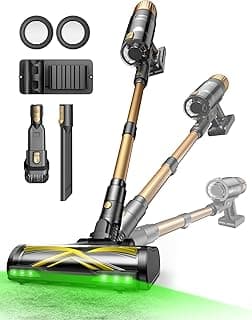
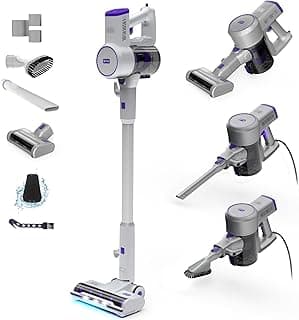
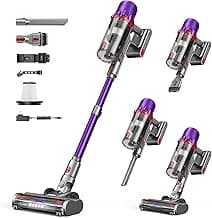
Cordless HEPA options have matured significantly, though runtime and suction power still trail corded counterparts. They work brilliantly as secondary units or for smaller spaces—apartments, condos, quick daily maintenance. Battery-powered convenience suits gift recipients who'd avoid cleaning altogether if setup feels burdensome.
Lead Dust and Mold: When HEPA Becomes Non-Negotiable
Standard vacuums absolutely should not address lead dust or mold contamination. These require certified equipment meeting specific containment standards. The best HEPA vacuum for lead dust carries EPA RRP certification and includes disposable bags that seal completely upon removal.
Lead dust situations arise during renovation of pre-1978 properties. Window replacement, paint removal, remodeling—all potentially release lead particles that standard vacuums would aerosolize throughout living spaces. This isn't home cleaning; it's contamination control. Gift this only when you're certain of proper usage context.
Similarly, HEPA vacuums for mold serve during remediation, not daily cleaning. Once mold growth is professionally addressed, HEPA filtration helps maintain spore-free environments during subsequent cleanings. Chronic mold issues need professional intervention—vacuums manage aftermath, not active infestations.
Maintenance Reality: The Ongoing Cost Nobody Mentions
HEPA filters require replacement—annually for average use, more frequently in demanding conditions. Genuine manufacturer filters cost $30-80 each. This ongoing expense distinguishes temporary satisfaction from lasting value.
Washable HEPA filters exist but compromise slightly on filtration efficiency. They suit moderate needs well and eliminate recurring costs. For gift recipients sensitive to subscription-style expenses, washable filters shift the value proposition significantly.
Bagged vs bagless remains debated. Bags contain debris better during disposal—crucial for severe allergies. Bagless models save money long-term but expose users to dust clouds when emptying. Consider recipient sensitivities when choosing. Some premium models use sealed dirt containers that minimize exposure even in bagless designs.
Performance Features That Justify Premium Pricing
Suction power measured in air watts matters more than motor wattage marketing. Sealed HEPA systems maintain consistent airflow despite filtration restriction—cheap designs lose suction as filters load.
Automatic height adjustment adapts to carpet pile without manual intervention. This prevents brush roll damage and maintains optimal cleaning contact. Recipients transitioning between hardwood and carpet appreciate this automation.
LED headlights reveal dust in shadows and under furniture—surprisingly valuable for thorough cleaning. For detail-oriented recipients, this feature transforms cleaning from routine to actually satisfying.
Quiet operation matters in apartments, homes with light sleepers, or for people who clean outside traditional hours. Noise reduction engineering adds cost but delivers genuine quality-of-life improvement. When gifting someone truly personal birthday presents, these nuanced details communicate attention beyond surface-level selection.
The Specific Use Cases Where HEPA Filtration Excels
Post-construction cleanup demands sealed systems that prevent fine dust recirculation. Drywall dust, sawdust, and renovation debris contain particles that standard vacuums exhaust as airborne irritants. Professional contractors use HEPA equipment for this reason—it's containment, not just collection.
Spring cleaning in homes with forced-air heating stirs dormant dust from ductwork and registers. A seasonal deep-clean with proper HEPA filtration makes tangible differences in subsequent months' air quality. This becomes particularly meaningful for recipients managing seasonal allergies who notice genuine relief from thorough environmental control.
Pet grooming season generates fur and dander spikes that overwhelm standard filters. The best HEPA vacuums maintain performance during shedding periods without requiring daily filter maintenance. For pet owners, this consistency matters more than peak suction numbers.
Clean floors mean nothing if the air itself makes you sneeze. HEPA filtration addresses what you can't see but definitely breathe.
When HEPA Filtration Becomes Overkill (And What to Choose Instead)
Not every household needs medical-grade filtration. Healthy occupants in modern, well-maintained homes without pets or allergies gain minimal benefit from sealed HEPA systems. Standard multi-stage filtration suffices and costs less both initially and in maintenance.
For recipients focused strictly on visible cleanliness rather than air quality, premium HEPA investments feel excessive. Traditional models with basic filtration clean surfaces effectively. Save HEPA recommendations for situations where respiratory health or allergen management matters specifically.
This honesty prevents gift awkwardness—receiving expensive equipment that feels like solving a problem you didn't have creates weird obligation dynamics. Match technology level to actual need. Sometimes simpler quality vacuum cleaners serve recipients better than overly specialized tools.
Navigating True HEPA vs HEPA-Type Marketing
"HEPA-type" and "HEPA-like" filters don't meet true HEPA standards. These marketing terms describe improved filtration over basic filters but lack the 99.97% efficiency certification. For gift purposes, verify "True HEPA" or "Certified HEPA" language in specifications.
Some manufacturers rate filters as H13 or H14 on the European standard scale—these exceed minimum HEPA requirements and suit especially sensitive recipients. The price premium reflects genuinely superior filtration, not brand positioning.
Filter replacement availability matters long-term. Popular models from established brands guarantee parts availability years later. Obscure brands offering initial value sometimes strand owners with discontinued filter SKUs. For meaningful gifts that serve recipients for years, this continuity consideration separates thoughtful from transactional.
The Unsexy Gift That Shows Real Care
Nobody puts vacuums on wish lists. Nobody reacts to vacuum gifts with immediate excitement. Yet months later, recipients with chronic allergies notice they're sleeping better. Parents realize nursery air smells genuinely fresh rather than artificially masked. Pet owners stop reflexively apologizing about dander.
These delayed revelations make HEPA vacuums exceptional gifts for people you know deeply. You're addressing quality-of-life issues they've normalized—the "I just deal with it" problems that proper tools actually solve. It's infrastructure gifting: practical, enduring, quietly transformative.
Pair this with context that shows you understand their specific situation. For someone managing asthma, include a note about sealed system benefits. For new parents concerned about nursery air quality, acknowledge their unspoken anxiety. For pet owners, validate the frustration of loving animals while fighting allergic reactions. The vacuum becomes secondary to the message: I see your reality and want to help improve it.
If you're exploring similar practical wellness gifts, consider how items for people who have everything shift from luxury to utility when addressing genuine needs they haven't prioritized themselves.
What to Include When Gifting HEPA Vacuum Systems
Include spare filters if purchasing ahead of holidays or birthdays—the gift continues giving when recipients remember why it matters six months later. Pre-purchase replacement parts demonstrates planning beyond the moment.
Gift cards to the manufacturer's parts store work for recipients who prefer choosing their own maintenance schedule. This avoids wrong filter orders while still providing practical value.
A simple guide to HEPA benefits personalizes the gift beyond product alone. List their specific air quality concerns you've noticed—pet dander, seasonal allergies, post-renovation cleanup needs. This context transforms appliance into thoughtful solution.
Installation service or initial deep-clean with the new equipment helps recipients experience immediate benefit rather than facing setup friction. For older recipients or those intimidated by new technology, this activation support matters significantly.
The Long View: Investment vs Expense Framing
Premium HEPA vacuums cost $300-800, placing them firmly in "significant gift" territory. This price point requires addressing value explicitly. Frame it as infrastructure—the thing that enables better daily living rather than discrete product consumption.
Compare annual allergy medication costs or air purifier expenses to demonstrate financial sense beyond initial price shock. For chronic allergy sufferers, comprehensive home allergen management through proper vacuuming can reduce pharmaceutical dependency.
Longevity matters. Quality sealed systems last 10+ years with proper maintenance. Amortized over actual lifespan, daily operating cost becomes negligible. This perspective helps both gift-givers justify investment and recipients appreciate ongoing value.
For milestone gifts—Mother's Day presents for health-conscious moms or housewarmings for friends with young families—tools that compound in value over time carry weight beyond momentary surprise. You're gifting years of better breathing, not just cleaning capability.
Final Considerations: Matching Vacuum to Actual Living Situation
Square footage dictates capacity needs. Compact apartments benefit from nimble units with smaller dirt containers. Larger homes require generous capacity to avoid mid-clean emptying interruptions.
Storage space availability influences form factor choices. Wall-mounted charging stations for cordless models save floor space. Traditional uprights need closet depth. Canister systems require floor space for the motor unit. Survey recipient living situations before committing to size.
Physical capability matters—some recipients struggle with heavy equipment or repetitive pushing motions. Lightweight models or power-assisted options exist specifically for users with limited strength or mobility concerns. Don't gift something that feels like work to use.
Noise sensitivity in shared living situations (apartments, duplexes, townhomes) makes quiet operation essential. Models marketed for silent cleaning sacrifice minimal performance for substantial neighbor relationship preservation. For recipients who clean odd hours or live in noise-sensitive buildings, this consideration demonstrates genuine thoughtfulness.
Gifts are for making an impression, not just for the sake of it.
GiftsPick - Meticulous, Kind, Objective.