

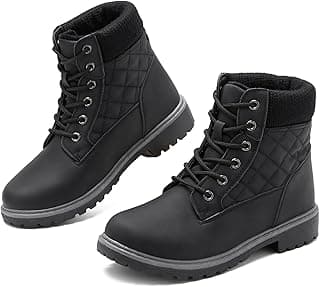
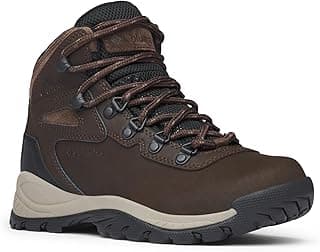

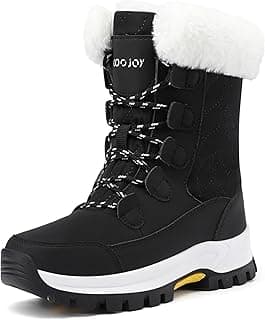
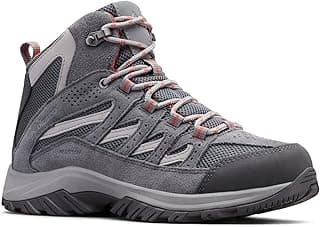
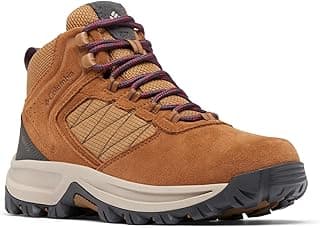
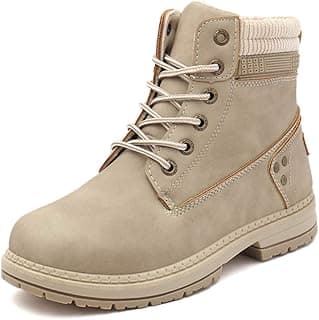
What Boots Provide That Shoes Can't
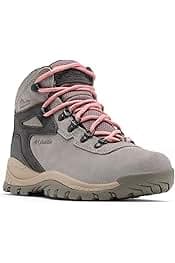
Ankle support means your foot can't roll past safe ranges during lateral movements. When stepping on uneven rocks or navigating scree fields, that structural limitation prevents injuries that shoes allow. The higher collar physically restricts unsafe ankle angles while the stiffer construction provides a stable platform that doesn't collapse under you. This matters exponentially more as terrain difficulty increases or pack weight grows.
The psychological difference shouldn't be dismissed either. Confidence on technical terrain changes everything. Women describe moving faster and more decisively in boots on challenging sections because they trust the ankle support. That security allows focusing on route finding and scenery instead of obsessing over every footfall. Mental energy saved from not worrying about twisting ankles redirects toward actually enjoying hikes.
Boots also provide superior protection from trail debris. Higher uppers prevent rocks, sticks, and other hazards from getting inside. Thicker materials resist abrasion from brush contact. Water resistance extends higher, keeping more of your feet dry during stream crossings or deep mud. These protective elements compound into significantly more comfort over long distances and multi-day trips.
Ankle injuries don't heal on trails. Prevention through proper equipment beats hoping for luck on unstable terrain.
Who Really Benefits From Hiking Boots
Women tackling technical trails need the stability boots provide. Rocky paths, steep descents, loose surfaces—these conditions make ankle rolls likely without proper support. For anyone regularly hiking beyond groomed trails, boots eliminate a major injury risk that shoes don't adequately address. Thoughtful gifts for women who love challenges acknowledge their ambitions while providing tools to pursue them safely.
Backpackers carrying overnight gear need boot support even more. Pack weight multiplies ankle stress. A 30-pound pack makes every step hit harder and recovery from missteps slower. The combination of weight plus uneven terrain creates injury scenarios boots specifically counter through structural support that distributes forces properly.
Women with previous ankle injuries or instability benefit enormously from boot support. Once you've sprained an ankle, that joint remains vulnerable. Boots provide external stabilization that prevents re-injury while allowing continued hiking. For mothers who've been sidelined by old injuries, quality boots often enable returning to activities they'd abandoned.
Even occasional hikers planning ambitious trips need appropriate equipment. That once-a-year mountain hike or destination trek to challenging locations demands boots when the terrain warrants them. You can't build ankle strength mid-hike when conditions exceed your footwear's capabilities. Having proper equipment ready for when ambition exceeds regular hiking frequency prevents disappointment and injury.
Addressing the Wide Feet Challenge
Many women struggle finding hiking boots that fit properly because standard widths don't accommodate their feet. Cramped toes, pinched sides, pressure points—these issues plague wide-footed women trying to use regular width boots. The pain isn't just uncomfortable; it causes blisters, numbness, and eventual abandonment of hiking pursuits because the equipment doesn't work for their anatomy.
Quality boot manufacturers offer multiple width options specifically because one size truly doesn't fit all. Wide width models provide proper toe splay room and midfoot space without simply being larger overall. This targeted width accommodation means women can get appropriate length while having adequate width where they need it. Finding brands that offer wide options becomes critical for women who've spent years suffering in too-narrow boots.
Width matters more in boots than shoes because the structured support works only with proper fit. Too narrow and the support structure actually creates new pressure points. Too wide and your foot slides around inside, negating the stability benefits. Proper width fitting is foundational to boots functioning as designed rather than becoming torture devices.
Strategic Timing for Boot Gifts
Pre-hiking season gifts arrive when she's planning summer adventures. Spring gifting means she has boots broken in properly before major hikes. New boots need gradual break-in through shorter walks before attempting full-day treks. Timing gifts several weeks before serious hiking plans allows this necessary preparation without rushing the process.
Trip-specific gifting works when you know about upcoming hiking vacations. If she's mentioned planning mountain trips, national park visits, or hiking destinations, boots given beforehand support stated intentions. The gift acknowledges her plans while ensuring she has appropriate equipment for actually enjoying them rather than suffering through inadequate gear.
Holiday gifts for hiking mothers work well because boot quality justifies premium pricing that holiday budgets accommodate. This isn't impulse-purchase equipment—it's investment gear that lasts years. Holiday timing frames the expense appropriately while providing immediate utility through winter hiking or preparation for spring trails.
Replacement timing becomes obvious when current boots are failing. Soles separating, inadequate waterproofing, worn tread, or visible damage signals the end of boots' functional life. Gifting replacements before complete failure prevents the hiking interruption that broken boots cause. Proactive replacement shows attentiveness that reactive gifts after disasters can't match.
Critical Technical Features
Waterproof membranes separate boots that work in wet conditions from those that fail. Gore-Tex or equivalent waterproof-breathable materials keep feet dry during stream crossings, morning dew, and rain while allowing sweat vapor to escape. This isn't optional for serious hiking—wet feet blister immediately and lose warmth rapidly. Waterproofing enables hiking regardless of conditions rather than limiting activity to perfect weather.
Midsole stiffness provides the platform stability that defines boots. This rigidity prevents painful foot flex across sharp rocks while maintaining enough flexibility for natural walking motion. Too stiff and boots feel like ski boots; too flexible and you lose the protection benefits. Quality boots balance these requirements through graduated stiffness—firmer through the shank, more flexible at toe and heel.
Outsole traction determines confidence on varied terrain. Vibram or equivalent rubber compounds maintain grip on wet rocks, loose dirt, and steep grades. Deep, multi-directional lug patterns provide traction during uphill climbs and braking during descents. Worn tread eliminates grip completely—even excellent boots become dangerous with worn outsoles, making tread depth monitoring critical for safety.
Technical features aren't marketing—they're the difference between boots that protect you and boots that fail when conditions get challenging.
[AWAIT PRODUCT TABLE INSERTION]
Weight Versus Protection Trade-offs
Light hiking boots sacrifice some protection for reduced fatigue. They work well for maintained trails where extreme ankle support isn't crucial but you still want more structure than shoes provide. For women hiking frequently over moderate terrain, lighter boots prevent the leg fatigue that heavy boots cause without giving up basic ankle protection.
Traditional full-leather boots offer maximum durability and support but add significant weight. Each ounce on your feet feels like five on your back in terms of energy expenditure. For multi-day trips where durability matters more than speed, or for women carrying heavy packs, this weight trade-off makes sense. The protection and longevity justify the additional effort.
Synthetic-leather hybrid boots balance weight and durability for most hiking situations. They break in faster than full leather, weigh less, and still provide adequate support for technical terrain. For women whose hiking varies between easy and challenging, these versatile options handle diverse conditions without forcing extreme choices in either direction.
Building Complete Hiking Systems
Quality hiking socks matter as much as the boots themselves. Merino wool or technical synthetic materials prevent blisters, manage moisture, and cushion feet during extended wear. The combination of proper boots with proper socks creates a system that prevents most foot problems. Including quality socks with boot gifts shows understanding that complete solutions outperform individual components.
Gaiters keep trail debris out of boot tops during dusty or muddy conditions. They're not necessary for every hike but become valuable on certain terrain types. Pairing boots with gaiters creates comprehensive lower-leg protection for women hiking in challenging conditions. An activity tracking watch adds route recording and elevation data for women who enjoy quantifying their achievements.
Boot maintenance supplies extend life significantly. Waterproofing treatments need periodic renewal. Leather requires conditioning. Proper cleaning after muddy hikes prevents material degradation. For women receiving boots as gifts, including maintenance items and instructions ensures the equipment maintains effectiveness across multiple seasons rather than degrading prematurely from neglect.
Getting the Fit Right
Hiking boots should fit snugly through heel and midfoot with room for toes to wiggle. Downhill sections push feet forward; insufficient toe room causes blackened or lost toenails after steep descents. A thumb's width between longest toe and boot front prevents this while avoiding excessive internal movement that causes blisters.
Try boots with hiking socks you'll actually wear. Different sock thicknesses dramatically affect fit. What feels perfect with thin socks becomes cramped with proper hiking socks. If gifting, include quality socks sized to work with the boots, ensuring the complete system fits appropriately together rather than discovering fit issues on the trail.
Break-in requirements vary by construction. Full leather boots need gradual breaking in through progressively longer walks. Synthetic materials often feel comfortable immediately but still benefit from short trial hikes before major treks. Gift timing should account for this—leather boots given well before planned hikes allow proper break-in; synthetics work for quicker needs.
Width and volume fitting determines all-day comfort. Feet swell during long hikes; boots that feel fine initially might pinch after several hours. For women with wide feet or high insteps, trying multiple brands becomes necessary because fit varies significantly between manufacturers. Don't assume expensive equals well-fitting—brand-specific fit characteristics matter more than price.
What Quality Boots Enable
Hiking boots say: tackle serious trails without worrying about ankle injuries. You're providing equipment that expands what's safely possible. That vote of confidence—that tangible support for ambitious goals—carries weight beyond the physical product. For girlfriends planning adventures together, boots represent shared experiences you're investing in rather than just acknowledging.
There's empowerment in proper equipment. Women often underestimate their hiking capabilities because inadequate gear limited previous attempts. Quality boots remove equipment as an excuse, forcing confrontation with actual limits rather than artificial ones. Many women discover they're far more capable than they realized once footwear supports rather than restricts their efforts.
The gift acknowledges that her outdoor pursuits matter independently of family hiking or group activities. Not exercise that could happen elsewhere—her specific desire to explore challenging trails deserves equipment that makes it possible safely. That recognition resonates especially with women accustomed to their individual interests being secondary to others' needs.
Proper boots don't guarantee summit success—but inadequate ones guarantee you won't get there without suffering or injury.
Long-Term Returns That Compound
Quality hiking boots last 5-10 years with proper care, covering hundreds of miles. That longevity amortizes initial investment across countless hikes. Women who receive excellent boots as gifts often mention still using them years later, every trail proving the original investment's value repeatedly. The gear that lasts becomes almost sentimental—witness to adventures and achievements it helped enable.
Prevented injuries have value impossible to quantify but absolutely real. No sprained ankles means no recovery time, no medical expenses, no interrupted activity plans. The safety factor alone justifies premium boots for women hiking technical terrain regularly. That injury prevention influences both immediate trip success and long-term hiking sustainability.
Confidence built on stable footing transfers beyond trails. Women who tackle challenging hikes in supportive boots often describe the parallel to other life challenges—if you can navigate that difficult descent, handle that tricky rock scramble, you can manage other obstacles too. The psychological benefits of outdoor accomplishments compound over time in ways that extend far past hiking itself.
Perhaps most significantly, quality boots often mark turning points in hiking commitment. Receiving serious equipment communicates belief in someone's outdoor aspirations. Years later, looking at boots that enabled countless adventures, women connect growth in hiking ability and outdoor confidence to the moment someone invested in their potential through proper gear. That transformation from tentative to capable often traces back to equipment that said: you can do more than you think.
Gifts are for making an impression, not just for the sake of it.
GiftsPick - Meticulous, Kind, Objective.