
The Thermodynamics of Transparency: Why Clear Ice Matters
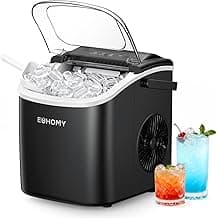
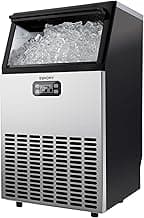
The quest for the best home ice maker often leads to a fork in the road: the choice between nugget ice and clear ice. Clear ice is the gold standard for mixology. Because it is frozen in layers, it lacks the internal structural flaws of traditional cubes, leading to a significantly lower surface-area-to-volume ratio. This physical property ensures that the ice chills the beverage without excessive dilution, a factor often discussed when determining how much money is good for a housewarming gift. If the recipient is a connoisseur of fine bourbon or scotch, the best clear ice maker is a non-negotiable requirement.
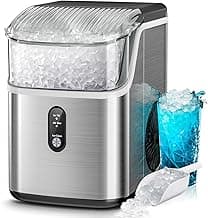
Nugget ice, conversely, is the product of an auger system that scrapes ice flakes from a chilled cylinder and compresses them into small, chewable cylinders. This type of ice is porous and retains the flavor of the drink it occupies. While highly popular in southern hospitality circles, these machines involve more complex moving parts than plate-evaporator systems, increasing the potential for mechanical wear over a five-year horizon. For families with children or those who prefer "crunchable" ice, the best countertop nugget ice maker provides a specific tactile satisfaction that clear ice cannot match.
Engineering Durability: The "Buy It For Life" Perspective
Independent product testing and insights from repair communities suggest that the longevity of an ice maker is dictated by its cooling system and the accessibility of its components. Most budget-tier "fast" ice makers utilize undersized compressors that run at high cycles, leading to thermal fatigue of the refrigerant lines within 24 to 36 months. Furthermore, many of these units feature "sealed" chassis that make internal cleaning and pump replacement impossible for the average user.
When analyzing the best home ice maker for a gift, one must consider the hidden costs of ownership. These include periodic descaling to prevent calcium buildup on sensors and the replacement of specialized water filters. A truly "Buy It For Life" (BIFL) machine should offer a self-cleaning cycle and modular parts. For those seeking a permanent installation, a best built-in-ice maker with a dedicated drain line offers the most robust solution, though it requires professional plumbing and a higher initial budget. This high-tier investment ensures that the gift doesn't become a maintenance burden, a common concern when evaluating what is not a good housewarming gift.
Comparison of Ice Production Technologies
| Technical Variable | Bullet Ice (Entry Level) | Clear Ice (Professional) | Nugget Ice (Specialty) |
|---|---|---|---|
| Freezing Mechanism | Submerged Metal Prongs | Cascading Water Plate | Auger/Compression Cylinder |
| Melt Rate | High (Rapid Dilution) | Very Low (Slow Dilution) | Moderate (Flavor Retention) |
| Mechanical Complexity | Low | Medium | High (Rotating Auger) |
| Acoustic Output | 45-55 dB | 50-60 dB | 55-65 dB (Squeaking Potential) |
| BIFL Rating | Low (Disposable) | High (Repairable) | Medium (Requires Maintenance) |
User Empathy: Designing for Diverse Living Conditions
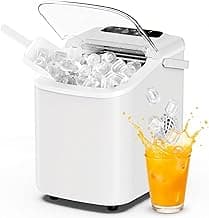
The best home ice maker must also be evaluated based on the physical environment it will inhabit. For instance, in small urban apartments, the decibel rating of the compressor and the fan becomes a primary constraint. A machine that cycles every 15 minutes with a loud "clunk" as the ice drops can be disruptive in open-concept living spaces. For these users, an insulated storage bin is essential to reduce the frequency of production cycles.
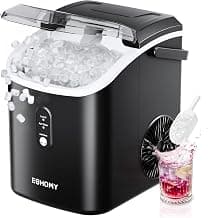
Furthermore, we must consider the ergonomic needs of the recipient. For elderly users or those with limited hand dexterity, the method of accessing the ice is crucial. Some machines utilize a drawer-style bin that requires a deep reach, while others offer a flip-top lid. If the gift is intended for a dedicated home bar, the best cocktail ice maker should feature an integrated scoop holder and a light-up interior to assist with precision during evening events. Analyzing these physical limitations ensures the gift is truly empathetic to the user's daily reality.
True luxury in appliances is found in the silence of their operation and the invisibility of their effort, providing perfect results without demanding constant attention.
Frequently Asked Questions
Is a dedicated ice maker better than a refrigerator ice maker?
Yes, because dedicated machines produce ice significantly faster (often 20-50 lbs per day compared to a fridge's 3-5 lbs) and generally offer higher-quality, clearer ice that is free from the odors often found in shared freezer compartments.
Do I need a drain line for a home ice maker?
It depends on the model: portable countertop units do not require a drain as they recycle melted ice back into the reservoir, whereas built-in professional units require either a gravity drain or a condensate pump to remove excess water from melted cubes.
How often should a home ice maker be cleaned?
Strictly speaking, you should descale the unit every three to six months depending on water hardness. Failure to remove mineral deposits will lead to sensor malfunctions, cloudy ice, and eventual pump failure.
Why is my ice maker making a loud squeaking noise?
This typically indicates scale buildup on the auger (in nugget machines) or a failing fan motor; regular maintenance with citric acid solutions can often prevent these mechanical stresses before they require professional repair.
In conclusion, the best home ice maker is a sophisticated intersection of mechanical engineering and social utility. By prioritizing machines with repairable components, low acoustic signatures, and the specific ice geometry required by the recipient, you transform a simple appliance into a lasting legacy of hospitality. Whether you choose a high-performance best clear ice maker or a versatile countertop model, your selection should reflect a deep understanding of the recipient's long-term needs and the technical realities of domestic refrigeration.