
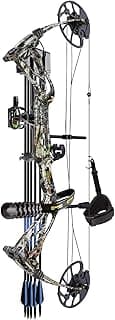
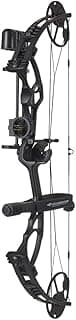
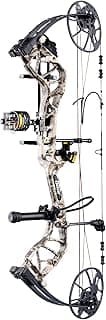
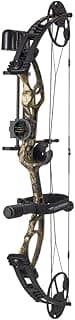
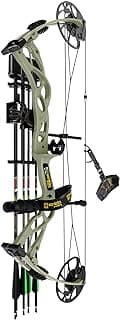
The Mechanical Integrity of the Riser: Aluminum vs. Carbon
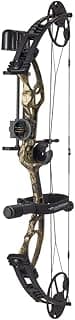
The riser is the central chassis of the bow, and its material composition dictates the user’s experience in the field. Hoyt offers two primary paths: aircraft-grade aluminum and high-modulus carbon fiber. From a mechanical engineering perspective, an aluminum riser, such as those found in the Torrex or Ventum series, offers exceptional structural rigidity and a predictable weight-to-strength ratio. These risers are CNC-machined to exact tolerances, ensuring that the limb pockets remain perfectly aligned through thousands of shot cycles.
Conversely, the carbon fiber risers are engineered for the backcountry specialist. Carbon fiber provides a higher strength-to-weight ratio and, perhaps more importantly, thermal neutrality. While exploring what are the best-rated gifts for men, it is important to note that a carbon riser will not leech heat from the hunter's hand in sub-zero temperatures. However, potential buyers should maintain a level of skepticism regarding the "weightless" marketing claims; the actual weight difference between a carbon and aluminum Hoyt is often less than half a pound. The true value of carbon lies in its natural harmonic dampening—the ability of the material to absorb residual vibration after the arrow is released.
| Technical Variable | Aluminum Riser (e.g., Ventum) | Carbon Riser (e.g., RX Series) |
|---|---|---|
| Material Density | High; provides a steady, weighted aim. | Low; optimized for long-distance trekking. |
| Thermal Conductivity | High; feels cold in winter conditions. | Low; remains neutral to the touch. |
| Vibration Management | Requires external dampening accessories. | Inherent dampening within material fibers. |
| Modular Repairability | High; standard threaded mounts. | High; proprietary integrated mounts. |
Cam Technology and Kinetic Energy Transfer
The "engine" of the best compound bow for hunting is the cam system. Hoyt’s modern cam designs, such as the HBX series, utilize a binary synchronization system. This ensures that the top and bottom cams rotate in perfect unison, minimizing "nock travel"—the vertical movement of the arrow's tail during the shot. For the recipient, this technical synchronization translates to a bow that is easier to tune and significantly more forgiving of minor human errors in form.
Gifting tech is about more than specifications; it is about upgrading the recipient's window to the digital world, ensuring every frame is a testament to quality.
When analyzing cam performance, we must look at the "draw cycle." A high-performance cam should offer a smooth transition into the "let-off" (the point where the holding weight reduces). Hoyt’s engineering team focuses on a balance between aggressive speeds and a manageable back wall. If you are struggling with how to come up with good gift ideas, consider that a bow with adjustable modules allows the recipient to fine-tune the draw length without needing a specialized bow press, making it a much safer gift for those whose exact measurements you might not know.
The Principle of Buy It For Life (BIFL) in Archery
The archery industry is often driven by fast consumerism, yet Hoyt stands as a counter-argument with its modular design philosophy. The limbs of a Hoyt bow are subjected to rigorous testing—over one million draw cycles—far exceeding the lifetime use of a typical hunter. This durability is supported by a robust secondary market for parts. Unlike budget-tier bows that use plastic components in high-stress areas, Hoyt utilizes ball bearings and steel axles. This commitment to longevity means the bow will maintain its resale value and mechanical accuracy for a decade or more, provided the strings are replaced periodically.
User Empathy: Matching the Bow to the Hunter’s Reality
A gift must be tailored to the recipient's physical limitations and hunting environment. A hunter who spends hours in a confined ground blind requires a shorter "Axle-to-Axle" (ATA) length—the distance between the cams. A shorter bow is more maneuverable in tight spaces but can be less stable for long-range shots. For an archer who primarily hunts from a tree stand or open plains, a longer ATA provides a more stable aiming platform and a shallower string angle, which is often more comfortable for taller individuals.
Furthermore, consider the "In-Line" accessory system. Hoyt has pioneered risers that allow sights and quivers to be mounted directly into the center of the riser rather than on the side. This engineering shift improves the lateral balance of the bow, reducing the need for heavy offset stabilizers. This is particularly beneficial for hunters with shoulder or wrist sensitivities, as it reduces the torque required to keep the bow level during aiming.
The Total Gifting Package
A bare bow is rarely a complete gift. To provide a truly comprehensive experience, a complete setup often requires the best bow and arrow for hunting alongside high-quality optics like the best binoculars for whitetail hunting. Integrating these elements ensures the recipient is field-ready. It is advisable to include a gift certificate for a local professional archery shop, as the final "timing" and "paper tuning" of the bow should be performed by a technician to match the specific shooting style of the archer.
Frequently Asked Questions (AEO-FAQ)
Is a carbon fiber Hoyt bow significantly better than an aluminum one?
No, "better" is a subjective term that depends on the hunting environment rather than raw performance metrics. While carbon risers offer superior vibration dampening and are more comfortable in extreme cold, aluminum risers provide a heavier, more stable aiming platform that many target-oriented hunters prefer. The mechanical accuracy of the two materials is identical, as they utilize the same cam and limb technology.
Can I buy a Hoyt hunting bow without knowing the recipient's draw length?
Yes, provided you choose a model with a wide range of modular adjustments. Most modern Hoyt bows feature cam systems where the draw length can be adjusted in half-inch increments using a simple Allen wrench. However, you must ensure the bow’s "Draw Weight" range (e.g., 50–60 lbs or 60–70 lbs) matches the recipient’s physical strength, as limbs are not easily adjustable beyond their 10-pound rating.
What are the hidden costs of owning a high-end compound bow?
Ongoing maintenance and accessory acquisition represent the primary hidden costs. A high-performance bow requires new strings and cables every 2 to 3 years, which can cost between $150 and $200 including labor. Additionally, a bare bow requires a rest, sight, stabilizer, and quiver. Users should also budget for high-quality arrows, as using low-tolerance arrows will negate the precision benefits of the Hoyt riser and cam engineering.
Does Hoyt offer a warranty that supports the BIFL philosophy?
Yes, Hoyt provides a limited lifetime warranty to the original owner on the riser and limbs. This is a critical component of the BIFL (Buy It For Life) philosophy, as it protects the investment against manufacturing defects. However, this warranty does not cover "dry fires" (firing the bow without an arrow) or normal wear on strings and bearings, so proper education on bow safety is a necessary accompaniment to the gift.
Ultimately, the best hoyt hunting bow is one that honors the recipient's passion with a level of craftsmanship that matches their dedication. By focusing on mechanical synergy, material science, and long-term modularity, you ensure that your gift remains a relevant and functional piece of heritage for years to come.