


The Physics of Load Management: Frame Systems and Ergonomics
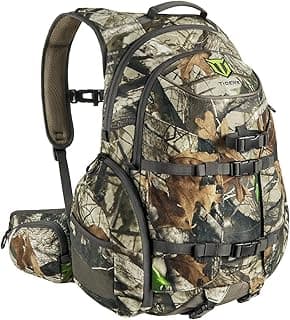
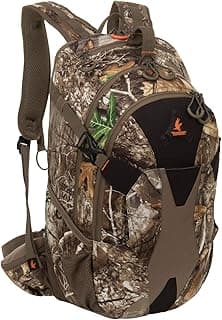
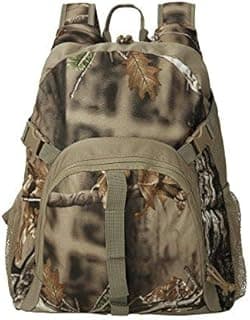
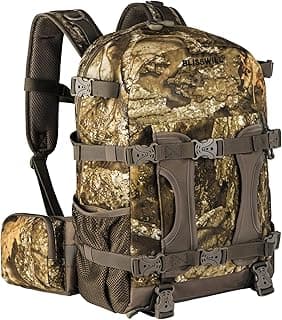
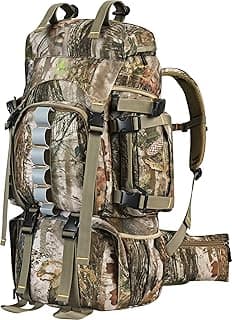
The core of any high-performance hunting pack is its frame. From a mechanical perspective, the frame acts as the chassis of the vehicle, distributing the downward force of the load away from the lumbar spine and toward the pelvic girdle. In the budget tier, frames are often non-existent or made of soft plastic sheets that "barrel" under weight, causing the load to pull away from the back. Expert-grade systems utilize rigid materials like 7000-series aluminum or carbon fiber. These materials offer high tensile strength and minimal flex, ensuring that even when carrying 80 to 100 pounds of equipment or meat, the center of gravity remains close to the hunter's body.
Empathy for the user requires acknowledging physical diversity. A pack that fits a six-foot individual perfectly may cause chronic nerve impingement for a shorter person. Most of the what are the best-rated gifts for men in the hunting category feature adjustable torso lengths. This modularity allows the recipient to fine-tune the "load lifters"—the straps that connect the shoulder harness to the top of the frame—to a 45-degree angle, which is the clinical standard for alleviating shoulder strain. Without this adjustment, the pack becomes a liability rather than an asset.
Gifting tech is about more than specifications; it is about upgrading the recipient's window to the digital world, ensuring every frame is a testament to quality.
Material Science: Durability vs. Silent Operation
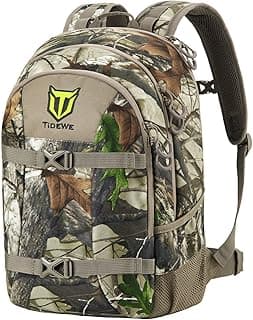
The conflict in hunting pack design lies between durability and noise. While high-denier Cordura (1000D or higher) offers unparalleled abrasion resistance against rocks and thorns, it often produces a "crinkling" sound that can alert wildlife. Modern engineering has solved this through "brushed" face fabrics or hybrid weaves that laminate a silent outer layer to a high-strength inner core. When you are trying to figure out how to come up with good gift ideas for a dedicated stalker, look for fabrics treated with DWR (Durable Water Repellent) but avoid those that rely on noisy, internal plastic liners for waterproofing. A truly expert pack uses a separate, modular rain cover for extreme conditions, maintaining silence during the approach.
Technical Variable Comparison: Hunting Pack Configurations
| Feature | Day Hunting Pack | Backcountry Hauler | Hybrid/Modular System |
|---|---|---|---|
| Volume Capacity | 1,500 - 2,800 cubic inches | 5,000 - 7,500 cubic inches | Variable (Expandable) |
| Frame Material | Internal Stay/Plastic Sheet | External Carbon Fiber/Aluminum | Detachable Frame Chassis |
| Primary Use Case | Short trips, high mobility | Multi-day expeditions | High-versatility hunting |
| Load Capacity | Up to 40 lbs | 80 lbs to 120 lbs+ | Optimized for variable loads |
Integration with Specialized Equipment
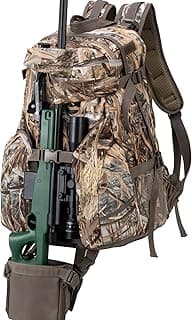
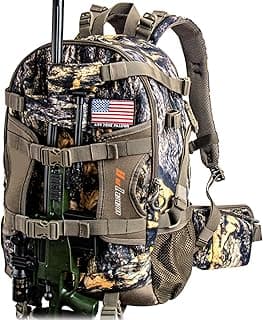
The best hunting back packs do not exist in a vacuum; they must integrate seamlessly with other gear. For instance, a pack used in conjunction with the best backpack hunting tent requires dedicated compression straps that do not interfere with the entry points of the bag. Furthermore, the organization of internal pockets should allow for the rapid deployment of optics. A hunter using the best binoculars for whitetail hunting needs a chest-rig-compatible harness or an easy-access side pocket that keeps the lenses protected but ready. If the pack’s design forces the user to remove the bag to access the best binos for hunting, it has failed its primary functional requirement.
The BIFL Philosophy: Longevity and Hidden Costs
The "Buy It For Life" (BIFL) movement emphasizes that the cheapest product is often the most expensive over time due to replacement cycles. In the hunting world, failure of a plastic buckle or a zipper in the backcountry is not just an inconvenience; it can be a safety hazard. When evaluating the best hunting back packs, inspect the hardware. Are the zippers YKK? Are the buckles made of cold-weather resistant polymers? Machines that are permanently stitched together offer less value than modular systems where a damaged bag can be swapped out while keeping the expensive frame chassis. This modularity also allows the user to adapt the pack for different seasons, perhaps using a smaller bag for a best bow for whitetail hunting excursion and a larger one for late-season rifle hunts.
Hidden costs often include the maintenance of hydration bladders and the inevitable wear of the lumbar pad. Professional-grade manufacturers provide third-party replacement parts, ensuring the pack doesn't end up in a landfill because of a single torn strap. This commitment to repairability is a hallmark of an elite brand and should be a deciding factor for anyone gifting these items.
User-Centric Features: The "Meat Shelf" Innovation
For many, the defining feature of the best hunting back packs is the integrated meat shelf. This design allows the bag to move away from the frame, creating a dedicated space to secure heavy loads of meat directly against the frame. This keeps the heaviest part of the load centered and stable. For a gift recipient who prioritizes ethical harvesting and meat processing, this feature is non-negotiable. It transforms the pack from a simple rucksack into a specialized tool for the "pack out," which is often the most physically demanding part of the hunt.
Frequently Asked Questions (FAQ)
Is a larger pack always better for hunting?
No, excessive volume often leads to "load slop," where items shift and destabilize the hunter's balance. Choose a volume that matches the typical duration of the recipient's trips; a 2,000 cubic inch pack is usually sufficient for single-day outings.
What is the most important measurement for a backpack gift?
The torso length is the most critical metric. Measuring from the C7 vertebra at the base of the neck to the iliac crest (the top of the hip bones) ensures the pack's weight is correctly transferred to the hips rather than the spine.
How do I clean a hunting pack after a successful trip?
Avoid machine washing as it degrades polyurethane coatings and weakens technical seams. Instead, use a mild, scent-free detergent and a soft brush to spot clean, then hang the pack to air dry away from direct sunlight.
Can I use a regular hiking pack for hunting?
While possible, regular hiking packs lack the structural rigidity to carry 50+ pounds of meat and do not have the reinforced "haul loops" or silent fabrics required for serious hunting applications. They often suffer from frame failure under the extreme stresses of a successful harvest.
Are carbon fiber frames worth the extra cost?
Yes, for those who cover long distances. Carbon fiber provides a superior strength-to-weight ratio and, unlike aluminum, it has "memory," meaning it returns to its original shape after being flexed under heavy tension, providing consistent ergonomic support over years of use.