
The Physics of Glass: What Defines "Value" in Hunting Optics?
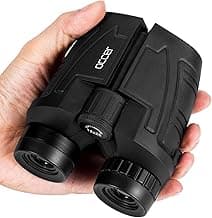
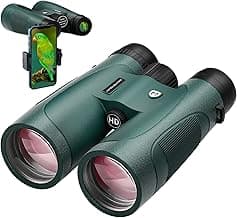
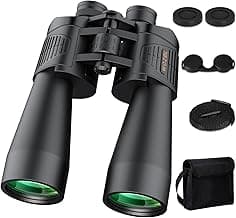
In the world of optics, the term "value" is frequently misused. True value is the ratio of light transmission and edge-to-edge clarity relative to the price point. The most critical component is the prism system. While most modern binoculars use the Roof prism design for its compact nature, the quality of the glass—specifically the distinction between BK-7 and Bak-4 barium crown glass—is paramount. Bak-4 glass features a higher refractive index, which results in a perfectly circular exit pupil and significantly less peripheral light loss. When considering best dad gift ideas, choosing an optic with phase-corrected Bak-4 prisms ensures that the recipient can track movement in the low-light conditions of dawn and dusk, where game is most active.
Furthermore, lens coatings are not merely aesthetic. Only optics labeled "Fully Multi-Coated" (FMC) have multiple layers of anti-reflective chemicals on all air-to-glass surfaces. Budget models often skip coatings on internal surfaces to save costs, leading to internal reflections that wash out the image. From an engineering standpoint, a dielectric coating on the prisms can increase light reflectivity to over 99%, a feature once reserved for premium brands but now increasingly available in the mid-range segment.
Gifting tech is about more than specifications; it is about upgrading the recipient's window to the digital world, ensuring every frame is a testament to quality.
User-Centric Selection: Matching Optics to the Environment
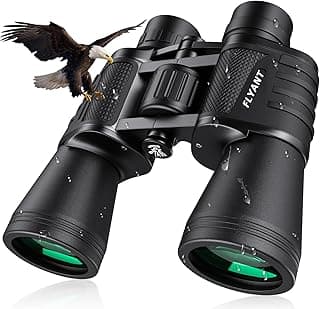
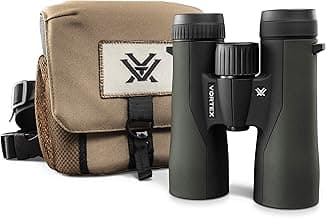
There is no universal "best" binocular; there is only the best tool for a specific environment. A gift-giver must understand the recipient's primary hunting style to make an informed choice. For instance, a western hunter glassing vast canyons needs high magnification and large objectives, such as the best 10x50 binoculars for hunting. Conversely, a hunter in the dense forests of the East would be better served by an 8x42 model, which offers a wider field of view and better image stability.
The Ergonomics of Long-Term Use
Weight distribution and tactile feedback are often overlooked. A heavy pair of binoculars can lead to neck fatigue, while stiff focus wheels are impossible to operate with gloves. When looking for best gift ideas for a woman or an older hunter, the static weight of the chassis becomes a deciding factor. Magnesium alloy frames provide the best strength-to-weight ratio, though high-grade polycarbonate is a viable, shock-resistant alternative for those on a stricter budget.
| Specification | 8x42 Configuration | 10x42 Configuration | 10x50 Configuration |
|---|---|---|---|
| Field of View (1000 yds) | Approx. 390 - 420 ft | Approx. 300 - 330 ft | Approx. 280 - 310 ft |
| Exit Pupil (Low Light) | 5.25 mm (Excellent) | 4.2 mm (Good) | 5.0 mm (Great) |
| Image Stability | High (Easier to hold still) | Moderate | Low (Best with tripod) |
| Primary Use Case | Dense woods / Tracking | General purpose / Open fields | Long-distance / Low light |
The Buy It For Life (BIFL) Philosophy: Durability and Hidden Costs
The "best hunting binoculars for the money" are those that do not require replacement every three years. The primary killers of binoculars are moisture and impact. A truly BIFL optic must be nitrogen or argon purged and O-ring sealed to prevent internal fogging and corrosion. Without this, temperature fluctuations—such as moving from a warm cabin to a freezing morning—will cause condensation inside the lenses, effectively ruining the tool.
Prospective buyers should also analyze the "Hidden Costs of Ownership." This includes the quality of the neck strap and the protective case. Many mid-tier options save money by including a flimsy strap that digs into the skin. Upgrading to a chest harness is often necessary, adding $30 to $50 to the total cost. Furthermore, consider the manufacturer's warranty. A "No-Fault" lifetime warranty is a massive value-add, as it covers accidental drops and lens scratches that would otherwise render the device useless. When researching What makes a memorable gift?, the answer often lies in the peace of mind that the product is protected for life.
Addressing Common Gifting Concerns
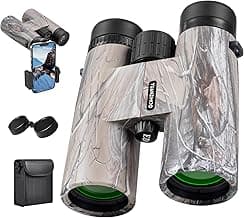
It is common for those unfamiliar with optics to feel overwhelmed by the technical specifications. Many wonder, best 8x42 binoculars for hunting or 10x42? The answer depends entirely on the physical stability of the user. High magnification amplifies the natural tremors of the human hand. If the recipient does not use a tripod, the lower magnification will often provide a clearer, more usable image because the brain can process a stable picture more efficiently than a shaky, high-magnification one.
In addition to magnification, eye relief is a critical metric for anyone who wears glasses. Seek models with at least 15mm of eye relief. Without this, the user will experience "vignetting," where the edges of the image are cut off, significantly reducing the effective field of view. This technical detail is a hallmark of the best binos for hunting, distinguishing professional equipment from toy-grade alternatives.
Maintenance and Longevity
To ensure the gift lasts a lifetime, the recipient should be educated on proper cleaning. Using a shirt tail or a dry paper towel to wipe lenses is the fastest way to destroy the expensive multi-coatings. An "optical maintenance kit" containing a lens pen, air blower, and microfiber cloth is a small but essential accompaniment to any binocular gift. This prevents the buildup of grit that acts like sandpaper against the glass.
Frequently Asked Questions
Is $200 enough for a good pair of hunting binoculars?
Yes, $200 is the entry point for "entry-level enthusiast" optics that feature Bak-4 prisms and waterproof construction, though they may lack the edge-to-edge sharpness found in the $500 range. At this price, you should prioritize a solid warranty over high magnification.
What magnification is best for most hunters?
8x magnification is the gold standard for versatility, as it provides a brighter image and a wider field of view than 10x or 12x alternatives. It is much easier to use while standing or walking through thick brush.
Are "Compact" binoculars good for hunting?
No, compact binoculars (with objective lenses under 30mm) are generally unsuitable for primary hunting use because they have very small exit pupils, which results in a dark, difficult-to-align image during the critical dawn and dusk hours. They are better suited for daylight hiking or stadium events.
Ultimately, the search for the best hunting binoculars for the money requires a balance of technical scrutiny and an understanding of the hunter's needs. Whether you are looking for a gift that will help a new hunter gain confidence or an upgrade for a seasoned veteran, focusing on optical quality and mechanical durability over gimmicky features will ensure your gift remains a cherished part of their gear for decades. If you are still unsure of where to start, consider exploring best 8x42 binoculars for hunting as a starting point for its universal utility and ease of use.