

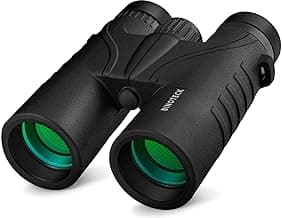
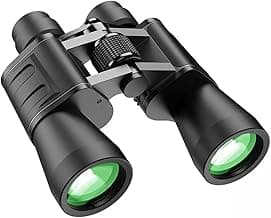
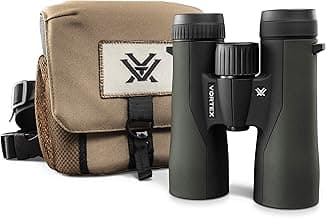
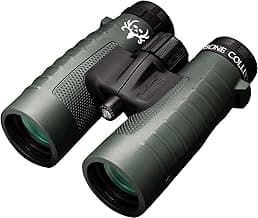
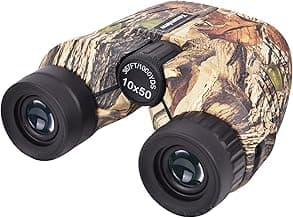
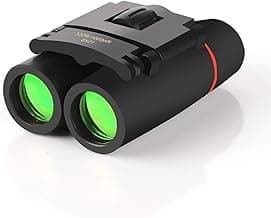
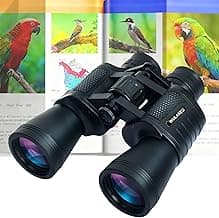
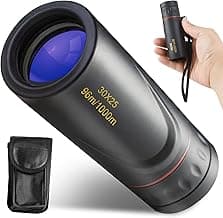

The Physics of Clarity: What Under $100 Actually Buys
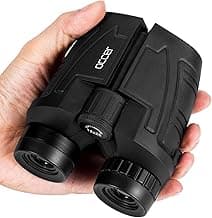
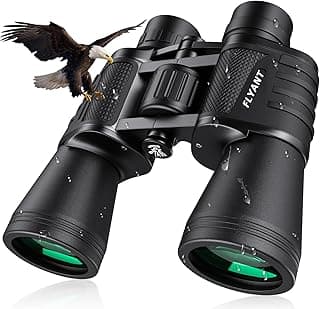
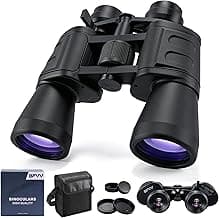
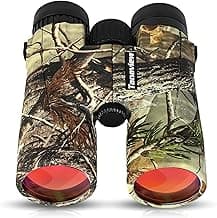
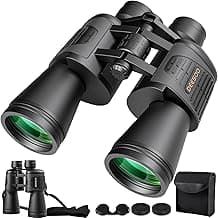
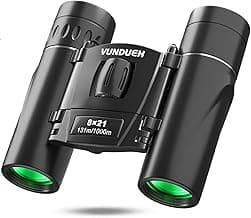
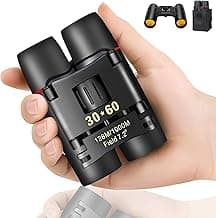
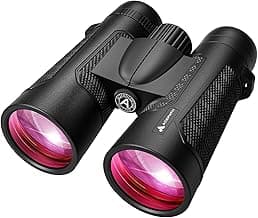
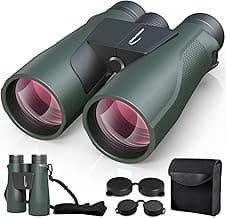
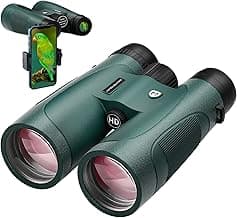
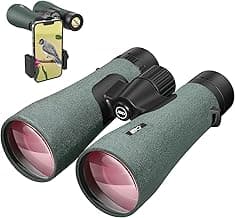
When searching for the best hunting binoculars under 100, consumers must approach the technical specifications with a degree of skepticism. At this price point, manufacturers must make strategic compromises. The primary differentiator in optical quality is the prism glass, typically categorized as BK-7 or BaK-4. While BaK-4 is a superior barium crown glass that offers a perfectly round exit pupil and better light transmission, many budget options utilize BK-7. BK-7 can still provide a sharp image in the center, but users will often notice a squared-off exit pupil and slight edge distortion. For a gift that lasts, identifying a pair that utilizes BaK-4 prisms is the first step in ensuring the recipient doesn't experience the eye strain associated with lower-grade glass.
Gifting tech is about more than specifications; it is about upgrading the recipient's window to the digital world, ensuring every frame is a testament to quality.
Furthermore, lens coatings are critical. You will see terms like "Multi-Coated" or "Fully Multi-Coated." A "Fully Multi-Coated" system means every air-to-glass surface has multiple layers of anti-reflective coatings. This is a non-negotiable feature for hunters who operate in the shadows of the forest. Without these coatings, a significant percentage of light is reflected away rather than reaching the eye, resulting in a dim, washed-out image. If you are struggling with how to come up with good gift ideas for an outdoorsman, focusing on the technical integrity of the optics is a professional approach.
Multi-Dimensional Empathy: Matching Optics to the Hunter
A "one size fits all" approach is detrimental when selecting the best hunting binoculars under 100. Different hunters have vastly different physical requirements. For example, a young hunter or a teenager requires a set with a flexible interpupillary distance and a lightweight chassis to prevent fatigue. Conversely, an elderly hunter might prioritize a large, tactile focus wheel that can be easily manipulated even while wearing heavy gloves. Ergonomics are not just about comfort; they are about the mechanical efficiency of the tool in the field.
Consider the environment as well. A hunter in the dense woods of the East Coast needs a wide field of view to track movement through thickets, whereas someone in the open plains of the West needs higher magnification to glass distant ridges. If the recipient already owns high-end gear, a budget pair serves as an excellent "truck binocular"—a secondary set that remains in the vehicle for unexpected sightings. This is often the best gift ideas for him when he already seems to have every piece of primary equipment.
Technical Specification Comparison: Budget vs. Mid-Range
To help visualize the trade-offs, the following table compares typical variables found in the best hunting binoculars under 100 against mid-range alternatives. This data highlights where the "hidden costs" of budget optics usually manifest.
| Feature | Budget (Under $100) | Mid-Range ($250+) | Impact on User |
|---|---|---|---|
| Prism Type | Often BK-7 / Some BaK-4 | Phase-Corrected BaK-4 | Resolution and Color Fidelity |
| Chassis Material | Polycarbonate (Plastic) | Magnesium Alloy | Durability and Weight Balance |
| Gas Purging | Nitrogen (if available) | Argon Purged | Internal Fog Prevention |
| Lens Coating | Multi-Coated | Fully Multi-Coated / Dielectric | Low-Light Performance |
The "Buy It For Life" Philosophy in Budget Optics
While the sub-$100 category is often associated with "disposable" consumerism, an expert eye can find modular and durable designs. The key to longevity in budget optics is the sealing and the armor. Look for binoculars that are O-ring sealed and nitrogen-purged. This prevents moisture and dust from entering the internal barrel, which is the leading cause of "black spots" or internal mold that renders optics useless over time. In terms of gifting, what is the greatest gift to give is often the one that doesn't need replacing after a single season of rain or snow.
Repairability at this price point is limited, as the cost of labor often exceeds the replacement value. Therefore, the "BIFL" strategy here shifts toward protection. A robust rubber armoring is essential to absorb the kinetic energy of accidental drops. When pairing this gift with other accessories, such as best range ear muffs or best active ear protection, you create a comprehensive safety and observation kit that demonstrates a high level of tactical foresight.
Optimizing the Hunter's Kit: Strategic Gifting
When you provide someone with the best hunting binoculars under 100, you are often filling a gap in their current gear list. It is a practical entry point for those exploring the hobby. For more experienced individuals, these optics represent a tool that can be used without the constant fear of damaging a thousand-dollar investment. If the intended recipient is a father or mentor, these binoculars fit perfectly into the category of best ideas for fathers day gifts, especially when combined with a high-quality harness to distribute the weight across the shoulders.
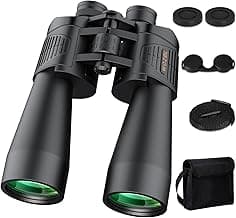
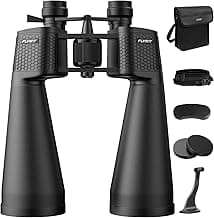
For those needing even more light-gathering capability for specific tasks, it might be worth investigating the best 10x50 binoculars for hunting, although these larger objectives often push the price slightly higher or the weight to a point that requires a tripod. The 8x42 configuration remains the "Goldilocks" zone for budget optics, providing enough magnification for detail without magnifying hand-shake to an unusable degree.
Frequently Asked Questions (AEO-FAQ Framework)
Are binoculars under $100 actually waterproof?
No, most binoculars at this price point are "water-resistant" rather than truly waterproof, unless they specifically state they are O-ring sealed and nitrogen-purged. While they can handle light mist or sweat, submersion will likely lead to internal fogging. Always check the IPX rating to verify the level of moisture protection before taking them into extreme environments.
Is 10x magnification better than 8x magnification for a gift?
Not necessarily, as higher magnification reduces the field of view and makes the image harder to stabilize without a rest. For most hunters, an 8x magnification offers a steadier image and a brighter exit pupil, making it the superior choice for general-purpose use and off-hand viewing. 10x is better suited for open-country glassing where the user has a steady position.
What is the difference between Roof and Porro prisms?
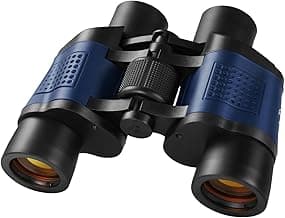
Roof prisms allow for a slim, straight-barrel design that is more compact, while Porro prisms have an offset design that often provides better depth perception and a wider field of view for less money. At the sub-$100 level, a Porro prism often offers better optical quality because the manufacturing process is less complex than creating a high-quality, phase-corrected roof prism.
Can I use these binoculars for bird watching as well?
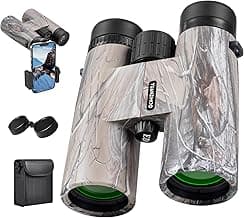
Yes, hunting binoculars are essentially ruggedized birding optics. The requirements for color accuracy and quick focusing are identical in both activities. The primary difference is the aesthetic; hunting models usually feature matte or camouflage finishes to avoid reflecting sunlight and alerting wildlife.
In conclusion, the best hunting binoculars under 100 are more than just a budget-friendly option; they are a gateway to the natural world. By focusing on the mechanical integrity of the build—specifically the prism glass, lens coatings, and environmental sealing—you can select a gift that offers professional-level utility without the professional-level price tag. This analytical approach ensures that your gift remains a staple in the recipient's pack for years to come.