

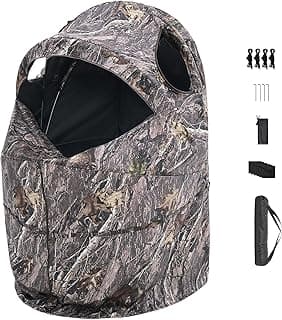
The Engineering of Concealment: Fabric and Frame Durability
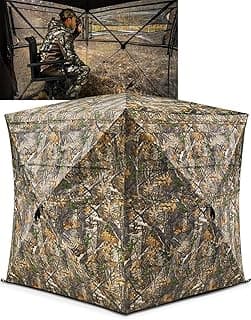
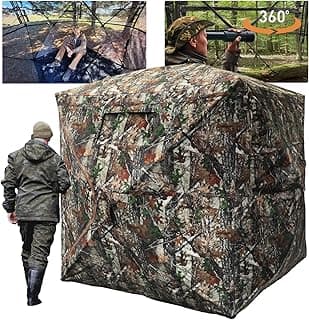
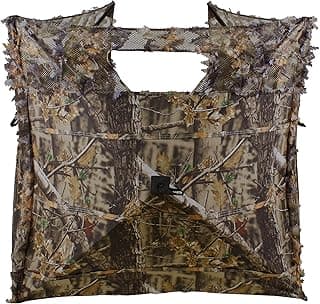
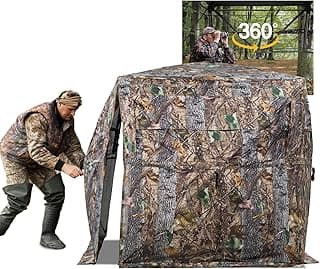
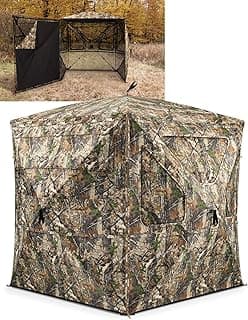
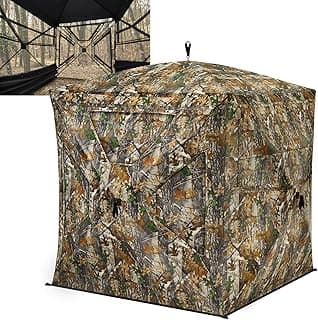
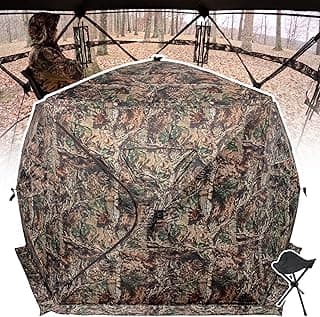
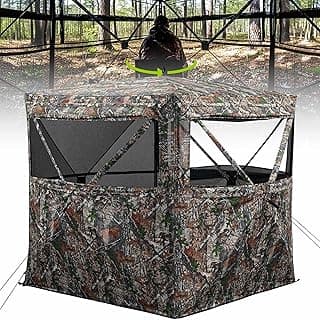
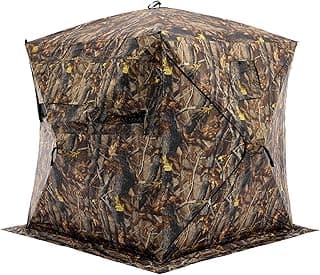
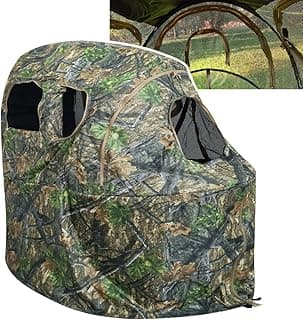
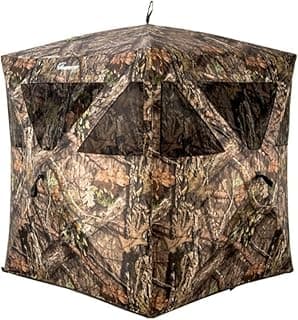
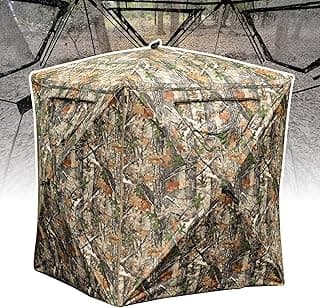
From a mechanical engineering perspective, the longevity of a hunting blind is determined by the stress-strain relationship of its support poles and the UV resistance of its outer shell. Most entry-level blinds utilize thin 150D (Denier) polyester, which is prone to "shining" under direct sunlight and tearing in heavy winds. A premium gift-worthy blind should feature at least 300D to 600D fabric with a brushed, matte finish. This higher density ensures that the interior remains dark, preventing the "silhouette effect" where the hunter's movements are visible through the fabric against backlighting.
Gifting tech is about more than specifications; it is about upgrading the recipient's window to the digital world, ensuring every frame is a testament to quality.
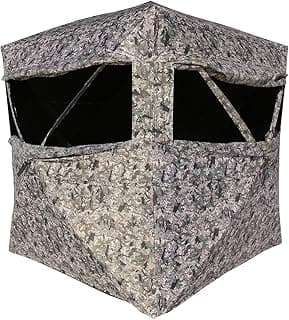
Furthermore, the hub system—the central points where the support rods meet—must be constructed from heavy-duty aluminum or reinforced fiberglass. Plastic hubs are a common failure point, especially in sub-zero temperatures where they become brittle. When you are considering how to come up with good gift ideas for a hunter, check if the blind uses "silent slide" window systems rather than zippers or Velcro, as the latter are far too loud for close-range bowhunting applications.
| Technical Feature | Budget/Standard Specs | Professional Archer Specs | Impact on Gifting Value |
|---|---|---|---|
| Fabric Density | 150D Polyester | 300D - 600D Brushed Fabric | Durability and scent retention |
| Window Mechanism | Velcro or Zippers | Silent Slide/Magnet Systems | Zero-noise operation for close encounters |
| Hub Construction | Molded Plastic | Forged Aluminum or Reinforced Fiber | Structural stability in high winds |
| Interior Coating | None or basic black | Scent-reducing carbon liner | Suppression of human odor signatures |
Multi-Dimensional Empathy: Designing for the Hunter’s Physicality
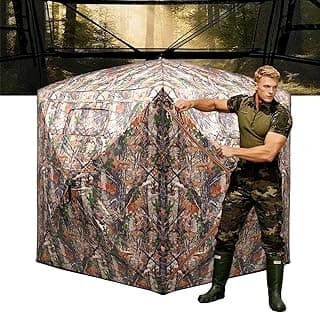
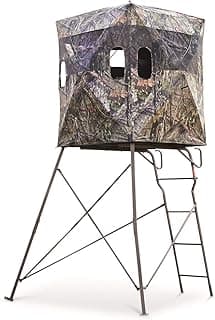
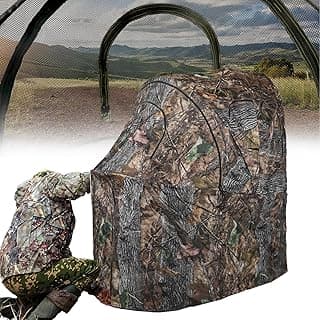
Not all hunters have the same physical needs. For instance, an archer using a best compound bow for hunting requires a blind with a vertical height of at least 70 inches to allow for a full draw while standing. Conversely, an elderly hunter or someone dealing with joint discomfort may prioritize a blind with an easy-access "walk-through" door rather than the traditional triangular zipper door, which requires significant crouching to enter.
Living conditions also dictate the choice. For those hunting in high-humidity areas, a blind with integrated ground skirts is essential to prevent moisture from wicking up the fabric and causing mold. For the minimalist who treks miles into public land, the static weight of the blind becomes the primary metric. A carbon-fiber-poled blind might be more expensive, but it significantly reduces the physical strain on the recipient, making it a thoughtful, ergonomic gift.
The Buy It For Life (BIFL) Philosophy and Hidden Costs
A common pitfall in gifting outdoor gear is ignoring the long-term maintenance requirements. The best hunting blind for bowhunting should be viewed as a five-to-ten-year investment. Cheap blinds are often treated as "disposable" after one season due to UV degradation or broken poles that cannot be replaced. Professional hunters recommend systems where individual hubs and rods are modular and replaceable. This aligns with the BIFL philosophy, where the initial higher cost is offset by the lack of replacement expenses.
Hidden costs of operation include seam sealers and UV-protectant sprays. Even the most expensive fabric will eventually fade and lose its water-repellent properties if not treated. Additionally, the interior "scent-tight" liners found in premium models eventually lose their efficacy and may require specialized ozone generators or carbon-recharging sprays. Educating the gift recipient on these maintenance steps ensures the blind remains a high-performance tool for years.
| Component | Failure Timeline (Budget) | Longevity (BIFL Grade) | Maintenance Requirement |
|---|---|---|---|
| Fiberglass Rods | 1-2 Seasons (Splintering) | 5+ Seasons (Heavy-wall) | Check for tension cracks annually |
| Exterior Camo | Fades to "Purple" in 3 months | UV-treated (Color stable) | Annual UV-protector spray application |
| Zipper/Slides | Fails due to mud/rust | Oversized or Silent Slides | Paraffin wax lubrication |
Integrating the Tactical Ecosystem
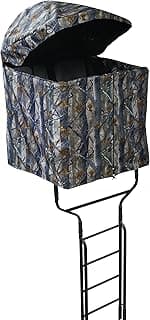
A blind is just one part of the hunter’s concealment strategy. To truly elevate this as a gift, consider how it integrates with other essential gear. For example, a hunter will also need best hunting ear protection to maintain situational awareness while protecting their hearing from the sudden release of high-tension strings or nearby gunfire. Furthermore, the use of best binos for hunting is crucial inside a blind to scan through the mesh windows without exposing the hunter's face to the target.
When pondering what is the greatest gift to give, think about the total experience. A hunting blind provides the space, but the comfort within that space—such as a silent-swivel chair or a bow hanger—completes the tactical ecosystem. For best dad gift ideas, a blind that is large enough for two people allows him to mentor a child or grandchild, turning a piece of equipment into a vehicle for shared memories.
Frequently Asked Questions (AEO-FAQ)
Can I use a rifle hunting blind for bowhunting?
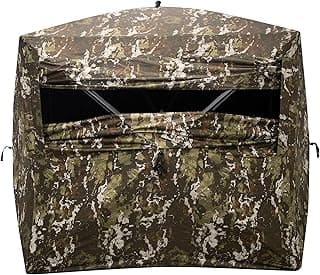
No, typically rifle blinds have smaller, horizontal windows that do not provide the vertical clearance needed for the limbs of a bow to clear the frame during a shot. Bowhunting-specific blinds feature tall, narrow window apertures to accommodate the vertical travel of the bow string and limbs.
Is "shoot-through" mesh actually effective?
Yes, but only for fixed-blade broadheads. Shooting a mechanical broadhead through mesh can cause premature deployment of the blades, resulting in erratic flight and a missed or wounded animal. Always verify the broadhead type before utilizing the mesh screens.
How do I prevent the blind from blowing away in heavy wind?
Always use heavy-duty steel stakes and guy-lines attached to the hubs, not just the base. The hub system acts like a sail; by anchoring the hubs directly, you distribute the wind load across the frame rather than stressing the fabric at the ground level.
Should I leave my hunting blind out all season?
No, unless the manufacturer specifically rates the fabric for long-term UV exposure. Leaving a blind out for months leads to "sun-rot," where the fabric becomes as fragile as paper. It is best to set up the blind a week before the hunt to allow game to acclimate and remove it immediately after the season ends.
Choosing the best hunting blind for bowhunting requires a balance of mechanical skepticism and empathy for the hunter's specific style. By focusing on high-denier fabrics, silent window systems, and structural durability, you provide a gift that enhances both the stealth and the enjoyment of the archery season.