

The Engineering of Concealment: Fabric and Framework
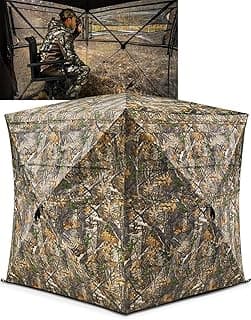
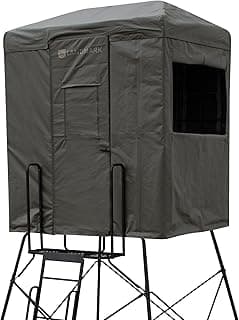
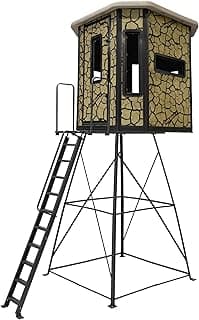
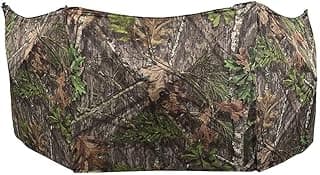
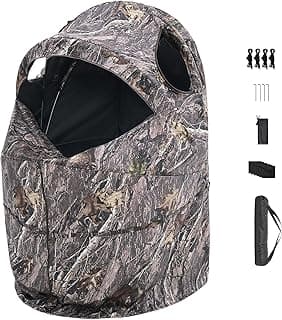
The primary cost-driver in a hunting blind is the fabric denier. The "denier" refers to the thickness and weight of the individual threads used in the weave. In the budget market, 150D fabrics are common, but they offer negligible resistance to wind and ultraviolet (UV) degradation. For the best hunting blind for the money, you should prioritize 300D to 600D polyester. These thicker fabrics resist "shining"—a phenomenon where UV light reflects off cheap synthetic fibers, signaling to game that an artificial object has entered their environment.
Gifting tech is about more than specifications; it is about upgrading the recipient's window to the digital world, ensuring every frame is a testament to quality.
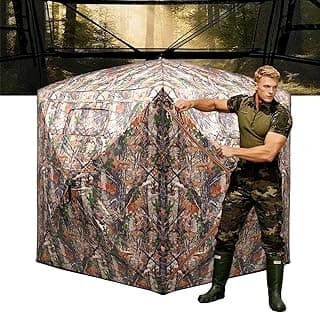
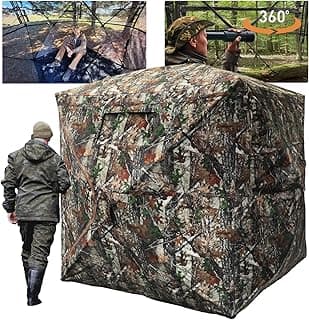
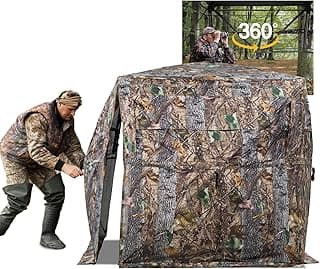
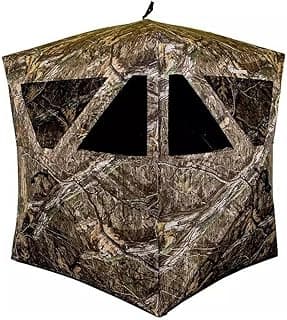
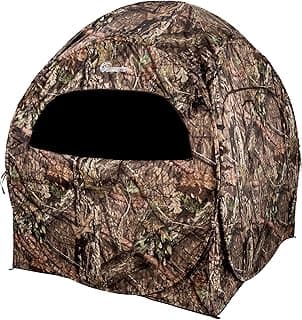
Furthermore, the internal framework—usually fiberglass or carbon fiber rods—must be evaluated for tensile strength. Hub-style blinds are superior to spring-steel pop-ups because they use a centralized hub to distribute tension evenly across the walls. This creates a taut surface that prevents fabric flapping in high winds, which is a common audio cue that alerts deer to a hunter's presence. When considering what are the best-rated gifts for men who spend their winters in the woods, the mechanical reliability of these hubs is paramount.
Comparative Analysis: Hub Systems vs. Pop-Up Designs
To help you visualize the trade-offs, the following table compares the two most prevalent structural designs in the current market. This structured data is designed to assist you in making an evidence-based purchasing decision.
| Technical Variable | Spring-Steel (Pop-Up) | Hub-Style (Heavy Duty) |
|---|---|---|
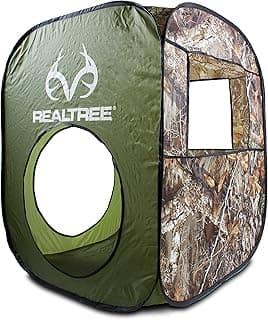
| Structural Rigidity | Low; prone to collapsing in snow or wind. | High; reinforced hubs resist external pressure. |
| Fabric Density | Usually 150D - 300D. | Usually 300D - 600D+. |
| Portability | Extremely light; fits in a circular bag. | Moderate; requires a vertical carry bag. |
| Durability Horizon | 1-2 seasons before wire fatigue. | 4-7 seasons with proper hub maintenance. |
Multi-dimensional User Needs
Choosing the right gift requires empathy for the hunter's physical reality. For the elderly hunter or those dealing with joint mobility issues, a blind with a "walk-through" door is essential. Standard designs often require the user to step over a high threshold, which can be dangerous in low-light conditions. Providing a stable environment, perhaps paired with the best hunting chair for blind, significantly extends the recipient’s ability to remain in the field comfortably.
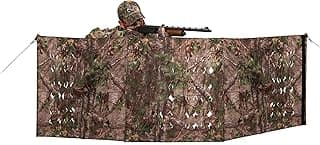
Alternatively, for hunters who move frequently between different properties, a best backpack hunting tent style blind that balances weight and setup speed is the logical choice. These specialized designs emphasize weight reduction without sacrificing the fabric’s opacity. This is a critical consideration for those who ask what is the most important thing for a father during hunting season—often, the answer is the ability to share a safe, warm space with their children while waiting for the perfect shot.
Buy It For Life (BIFL): Hidden Costs and Maintenance
A "cheap" blind becomes expensive when it requires replacement every two years. The hidden costs of low-tier blinds include the absence of replacement parts. Professional-grade hub blinds allow the user to replace individual fiberglass poles or the hub itself if a freak storm causes damage. Conversely, budget pop-ups are essentially "single-unit" items; if the wire snaps, the blind is landfill-bound. When selecting the best dad gift ideas, look for brands that offer modular components.
Operational costs also include scent management and seasonal protection. Blinds without a high-quality PU (Polyurethane) coating on the interior will fail to trap scent effectively, rendering the concealment moot. Additionally, in colder climates, ensuring the hunter has best ice grips for boots for the trek to the blind is as important as the blind itself to ensure safety in icy terrain.
Gifting tech is about more than specifications; it is about upgrading the recipient's window to the digital world, ensuring every frame is a testament to quality.
The Optics of Success
Concealment is only half the battle. A hunter inside a blind is effectively blind themselves unless the window system is engineered for silence. Velcro window attachments are a deal-breaker for the serious sportsman; the noise of opening a window can be heard for hundreds of yards in a quiet forest. Look for silent-slide window systems or magnetic closures. To complement the blind, a gift of the best 10x50 binoculars for hunting allows the user to scout the field through the mesh window without having to move their head excessively, maintaining their concealment profile.
Direct Answer FAQ (AEO Framework)
Is a higher denier fabric always better for a hunting blind?
Yes, higher denier counts (600D+) significantly increase the blind's resistance to wind, water, and UV-induced fabric rot, though they add to the overall weight. For stationary setups, high denier is non-negotiable.
Can you hunt with a bow from any hunting blind?
No. Bowhunting requires significantly more vertical and horizontal clearance for the bow limbs to expand during the shot. You must specifically seek out "tall" hub-style blinds to ensure the limbs do not strike the walls or ceiling upon release.
Do hunting blinds need to be left out all season?
No, but it is recommended to "brush them in" at least a week before hunting to allow the local wildlife to acclimate to the new structure. If left out permanently, you must ensure the blind is rated for snow-load and UV protection.
What is the best way to prevent mold in a hunting blind?
Never store a blind while it is damp. You must set the blind up in a dry area (like a garage or basement) for at least 24 hours after a hunt to ensure the fabric and seams are completely moisture-free before long-term storage.
In conclusion, the best hunting blind for the money is one that accounts for the recipient's physical comfort, the technical requirements of their specific game, and the mechanical durability to withstand multiple seasons. By focusing on hub-style architecture and high-denier fabrics, you ensure that your gift remains a functional part of their outdoor tradition for years to come.