

The Physics of the Modern Hunting Bow
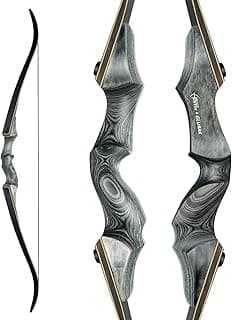
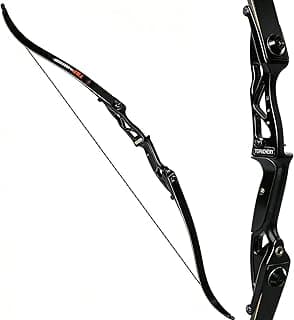
A hunting bow is essentially a spring that stores potential energy. When a gift-giver searches for the best hunting bow on the market, they are actually looking for the most efficient energy conversion machine. The efficiency of a bow is determined by its ability to transfer the energy stored in the limbs to the arrow with minimal loss through vibration or heat. Aluminum risers remain the industry standard for their balance of weight and structural integrity, though carbon fiber variants offer a superior strength-to-weight ratio for hunters who traverse steep terrain for extended periods.
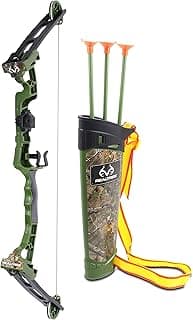
When evaluating best bow and arrow for hunting configurations, the engineer looks at the "force-draw curve." A "harsh" draw cycle might offer higher speeds, but it increases user fatigue and the likelihood of form breakdown. Conversely, a smooth draw cycle with a high "let-off" (the percentage of weight reduction at full draw) allows the hunter to remain at full draw longer, which is critical when waiting for a clean ethical shot. It is important to note that advertised speeds (IBO/ATA ratings) are often achieved under laboratory conditions that rarely reflect real-world hunting setups with heavier, more stable arrows.
Gifting tech is about more than specifications; it is about upgrading the recipient's window to the digital world, ensuring every frame is a testament to quality.
User-Centric Selection: Empathy in Design
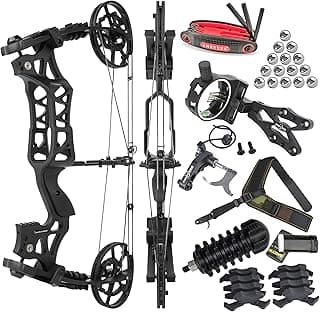
There is no universal "best" bow, only the best bow for a specific user's physiological constraints. For a recipient with shoulder issues or for the elderly, a bow with an aggressive cam system can lead to injury. In these cases, gifting a bow with a highly adjustable draw weight range is essential. This allows the user to start at a lower poundage and gradually increase it as they build the specific muscle groups required for archery. This level of customization is what makes certain models the best compound bow for hunting for a wide demographic of enthusiasts.
Furthermore, the physical dimensions of the bow—the axle-to-axle (ATA) length—dictate its stability. A shorter ATA bow is more maneuverable in a cramped tree stand or ground blind but is inherently less stable than a longer ATA bow, which provides a more consistent "string angle" and reduces facial pressure at full draw. When considering how to come up with good gift ideas for a hunter, one must first understand their preferred hunting environment.
Technical Comparison of Bow Construction Materials
The choice between aluminum and carbon fiber is not merely aesthetic; it involves trade-offs in thermal conductivity and vibration damping. Below is a comparison based on mechanical properties and field performance:
| Feature | Forged Aluminum Riser | Carbon Fiber Riser |
|---|---|---|
| Thermal Conductivity | High (Feels cold in winter) | Low (Warm to the touch) |
| Vibration Damping | Standard (Requires dampers) | Superior (Inherent damping) |
| Structural Rigidity | Very High | Extremely High |
| Weight Distribution | Balanced / Center-heavy | Top-heavy / Ultra-light |
| Field Repairability | Moderate | Low (Requires specialized care) |
The "Buy It For Life" (BIFL) Philosophy in Archery
A high-quality hunting bow should not be viewed as a disposable consumer electronic. To ensure a bow remains the best hunting bow on the market for years, the recipient must be educated on the hidden costs of maintenance. Archery equipment is subject to extreme tension and friction. The strings and cables, typically made from high-modulus polyethylene, will stretch over time (creep), leading to "cam lean" and a loss of synchronization. A modular system that allows for easy replacement of limbs and cams is far superior to proprietary "closed" designs that force the user to upgrade the entire bow when a single component fails.
Independent repair communities often highlight that the true value of a bow gift lies in the availability of third-party accessories. A bow is only as good as its peripheral components. When exploring What are the best-rated gifts for men? who value precision, it is wise to budget for high-quality sights, drop-away rests, and stabilizers. These components can often be transferred to a new riser in the future, retaining their value long after the original bow limbs have been retired.
Integration with Modern Hunting Technology
Today’s hunter does not rely on the bow alone. For those embarking on backcountry expeditions, the bow is part of a larger technical ecosystem. This includes best warm boots for men to prevent hypothermia during long sits and a best gps smart watch for navigating public land boundaries. The best hunting bow on the market must interface with this gear seamlessly—meaning it needs appropriate mounting points for quivers and balance that accounts for the addition of heavy sights and rangefinders.
Frequently Asked Questions (FAQ)
Is a more expensive hunting bow always better for a beginner?
No, a premium flagship bow often features aggressive cams and narrow "brace heights" that are less forgiving of poor form. Beginners are better served by "mid-range" bows that offer high adjustability in draw length and weight, allowing the equipment to grow with the archer's skill level without requiring a $1,500 initial investment.
What is the most critical maintenance task for a hunting bow?
String waxing and periodic timing checks are the most critical tasks. Friction and environmental moisture are the primary enemies of bowstrings; regular application of specialized wax prevents fraying and internal fiber degradation, which could otherwise lead to a catastrophic failure under tension.
Can a hunting bow be stored in a vehicle during summer?
Absolutely not. The extreme heat inside a closed vehicle can cause the synthetic fibers in the string to stretch or the adhesive in the limbs to delaminate. Archery equipment must be stored in a temperature-controlled environment to maintain its structural integrity and safety standards.
How often should a hunting bow be replaced?
With proper maintenance, a high-quality riser can last decades, but cams and limbs generally see a decline in mechanical efficiency after 5 to 7 years of heavy use. Most hunters upgrade not because the bow is "broken," but to take advantage of advancements in vibration reduction and noise suppression technology.
Ultimately, gifting the best hunting bow on the market is an exercise in technical vetting and personal empathy. By focusing on the mechanical reliability of the cam system and the physical needs of the hunter, you ensure that the gift remains a functional, prized tool rather than a piece of outdated machinery relegated to a garage wall.