
The Engineering of Archery Accuracy
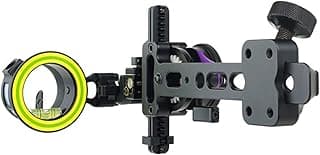
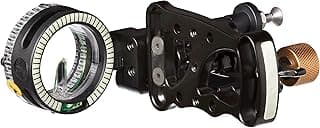
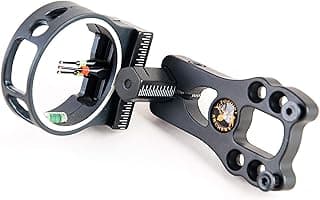
From a mechanical engineering perspective, a bow sight is a vibration-dampening alignment tool. The highest-quality sights are typically machined from 6061-T6 aluminum, a material chosen for its high strength-to-weight ratio and its ability to withstand the violent resonant frequencies produced by modern high-speed compound bows. Cheap, plastic, or "composite" sights often suffer from "sight creep," where the pins vibrate loose over time, rendering the archer’s practice sessions useless. When gifting, focus on brands that prioritize "micro-adjust" features. These allow the user to click the sight into position using precise gears rather than loosening a bolt and sliding the housing by hand—a process that lacks repeatable precision.
Selecting a hunting sight is an exercise in balancing weight-saving minimalism with the ruggedness required for field-use reliability.
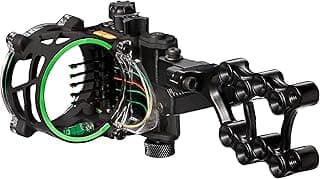
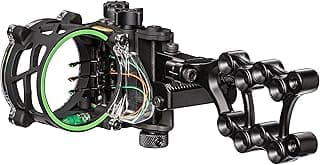
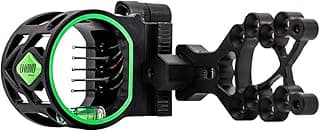
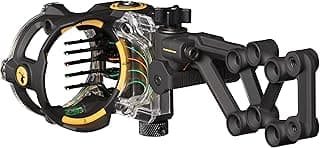
Understanding the internal mechanics is essential when considering how to come up with good gift ideas for a technical hobby like archery. A sight is only as good as its fiber optics. High-end sights wrap several feet of fiber optic filament around the housing to maximize light gathering, ensuring that even during the "golden hour" of dawn or dusk, the aiming point remains visible without the need for electronic illumination, which can be legally restricted in certain hunting jurisdictions.
Comparing Sight Configurations for Different Hunters
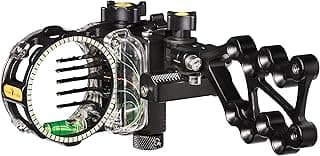
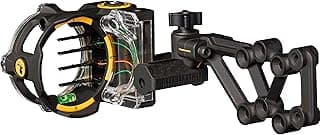
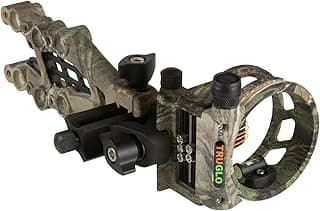
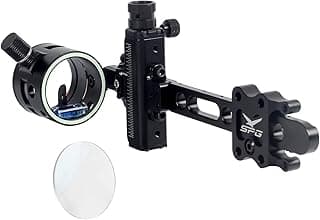
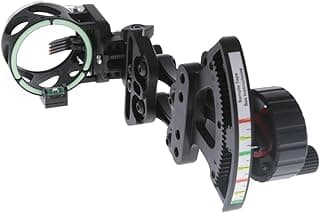
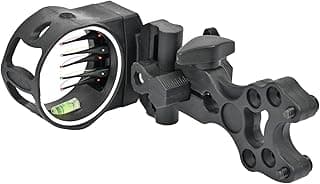
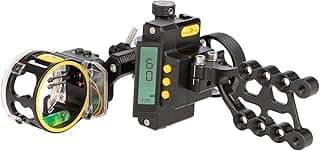
There is no universal "best" sight; rather, there is a "correct" sight for a specific hunting environment. The following table breaks down the technical variables of the three primary sight architectures found in the premium market.
| Sight Type | Mechanical Advantage | Physical Limitations | Ideal Recipient Profile |
|---|---|---|---|
| Fixed Multi-Pin | No moving parts during the shot; instant range reference. | Cluttered sight picture; potential for "pin gap" confusion. | Treestand hunters and beginners prioritizing simplicity. |
| Single-Pin Slider | Crystal clear sight picture; exact yardage dialing. | Requires manual adjustment if the target moves; extra movement. | Western "spot and stalk" hunters and long-range practitioners. |
| Hybrid / Digital | Combines fixed references with an adjustable "floater" pin. | Heavier mass; battery dependency in digital models. | Tech-forward hunters seeking the most versatile configuration. |
For someone already using the best compound bow for hunting, the addition of a slider sight can extend their effective ethical range significantly. However, a hunter in the dense timber of the Midwest might prefer the reliability of a fixed 5-pin system where distances change in a heartbeat.
The "Buy It For Life" (BIFL) Philosophy in Archery
Archery gear is notorious for fast-paced consumerism, but the sight is one of the few components that can be truly modular and repairable. In the Reddit repair and DIY bowhunting communities, the consensus is clear: avoid sights with proprietary, non-replaceable fiber optics. If a fiber breaks in the field, a BIFL sight allows the user to thread a new standard 0.019" or 0.010" filament through the pins. Furthermore, look for sights that offer 2nd and 3rd axis adjustment. Without a 3rd axis adjustment—which levels the sight's bubble when the bow is aimed at steep uphill or downhill angles—a hunter will consistently miss left or right in mountainous terrain.
When questioning What is the greatest gift to give?, the answer often lies in gear that removes a point of failure. A ruggedly built sight with protected pins ensures that a stumble in the brush doesn't result in a bent aiming point, which could ruin a multi-day expedition. This level of reliability is as critical as having the best binoculars for whitetail hunting for effective scouting.
Multi-dimensional User Empathy: Beyond the Standard Archer
A gift strategist must consider the recipient's physical realities. Not every hunter has 20/20 vision or the finger dexterity of a teenager. For the elderly hunter or those with early-onset presbyopia (blurred near vision), the size of the pins matters immensely. While 0.010" pins are excellent for target precision, they can "disappear" for an older archer in low light. In these cases, a sight with 0.029" pins or a green fiber (which the human eye perceives most easily) is a more empathetic and useful gift.
Similarly, the weight of the sight affects the bow’s balance. A heavy, feature-rich sight can make a bow "top-heavy," requiring the addition of stabilizers to compensate. If the recipient is a mountain hunter who counts every ounce, a lightweight carbon-extension sight is far superior to a bulky, tool-less adjust model. Understanding these nuances is what separates a generic gift from the best bow and arrow for hunting accessories that truly enhance the experience.
Hidden Costs and Maintenance of Premium Sights
While a high-end sight is a "one-time" purchase, it does come with long-term maintenance requirements that the giftee should be aware of:
- Battery Depletion: Many sights include a "sight light" for ground blind use. These batteries are often small LR41 or similar cells that degrade over time and should be replaced annually to prevent leakage.
- Vibration Management: Even the best sights require periodic checks. Applying a small amount of non-permanent thread-locker (Blue Loctite) to non-adjustment screws can prevent field failures.
- Component Wear: The "tapes" used on slider sights to mark yardage can peel or fade. Gifting a pack of waterproof, UV-resistant sight tapes alongside the sight is a thoughtful, expert-level touch.
Gifting tech is about more than specifications; it is about upgrading the recipient's window to the digital world, ensuring every frame is a testament to quality.
Direct Answer FAQ (AEO-FAQ Framework)
Do I need a single-pin or a multi-pin sight for a gift?
Choose a multi-pin sight for hunters who value speed and simplicity in thick cover, and a single-pin sight for those who practice long-distance shooting and prefer an unobstructed view of the target. Multi-pin sights offer immediate references for 20, 30, and 40 yards, while single-pin sliders allow for surgical precision at exact distances but require more time to adjust before the shot.
Is a sight with a light "cheating" or illegal?
No, a sight light is a tool used to illuminate the fiber optics in extremely dark environments, such as inside a ground blind; however, check local state regulations as some areas prohibit "electronic devices" attached to the bow. Most hunters use them only as a secondary backup for the natural light-gathering capabilities of the fiber optics themselves.
Does a more expensive sight actually improve accuracy?
Yes, but not by making the arrow fly better; it improves accuracy by providing finer adjustment increments and a more stable, repeatable aiming point that does not shift under recoil. High-end sights use "tapered dovetails" or "rack and pinion" systems that eliminate the "slop" or movement found in budget-tier models, allowing the archer to tune their gear to a fraction of a millimeter.
How do I know if the sight will fit the recipient's bow?
Standardized mounting holes (AMO standards) mean that almost all modern sights will fit any modern compound bow. The primary consideration is whether the hunter uses a "quiver" that mounts to the sight; if so, ensure the sight includes spacers or a mounting bracket that allows the quiver to remain accessible without interfering with the sight's adjustment knobs.