
The Mechanical Core: Why Engineering Matters in an Archery Gift
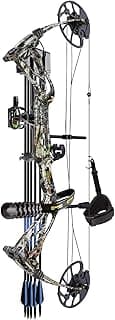
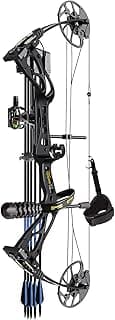
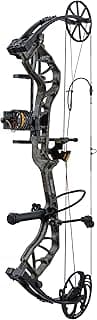
At its technical foundation, the best hunting bow is a localized energy storage system. The limbs act as springs, and the riser serves as the stable chassis. When evaluating a bow as a gift, the first consideration is the riser material. While cast aluminum risers are common in budget models, they are prone to microscopic stress fractures over thousands of cycles. For a gift intended to last decades, a CNC-machined 6061-T6 aluminum riser or a high-modulus carbon fiber structure is non-negotiable. These materials offer the rigidity necessary to prevent "riser torque," which is the subtle twisting of the frame under full draw that compromises long-range accuracy.
Gifting tech is about more than specifications; it is about upgrading the recipient's window to the digital world, ensuring every frame is a testament to quality.
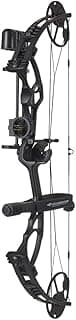
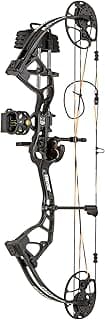
The efficiency of the cam system is the next critical variable. Modern "binary" or "dual-sync" cams ensure that the top and bottom limbs fire in perfect unison. In cheaper systems, timing often drifts, requiring frequent professional "tuning" that adds a hidden cost to the ownership experience. When you are trying to figure out how to come up with good gift ideas, consider that a bow that maintains its tune is a gift of time and frustration-avoidance, not just hardware.
User Empathy: Matching the Bow to the Recipient’s Profile
A frequent error in gift selection is purchasing based on the "highest" specifications rather than the user's physical reality. The best hunting bow for a backcountry mountain hunter is fundamentally different from one suited for a stationary tree-stand hunter. Weight distribution and "Axle-to-Axle" (ATA) length are the primary metrics here.
For the recipient who values mobility, a short ATA bow (under 30 inches) allows for easier maneuvering through thick brush. However, for those new to the sport, a longer ATA provides a more stable "string angle," reducing the technical difficulty of the shot. If you are researching what do men really want for fathers day, and the recipient has joint sensitivity or lower physical strength, prioritize a bow with a high "let-off" percentage. A 85% let-off allows an archer to hold a 70-pound draw while only feeling 10.5 pounds at full draw, significantly reducing muscle fatigue and tremors during the aiming process.
Technical Comparison of Hunting Bow Architectures
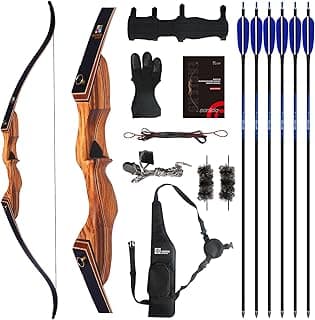
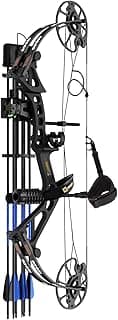
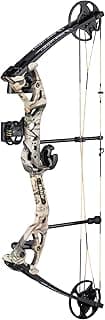
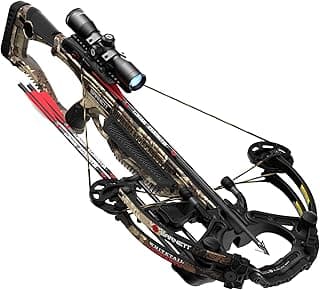
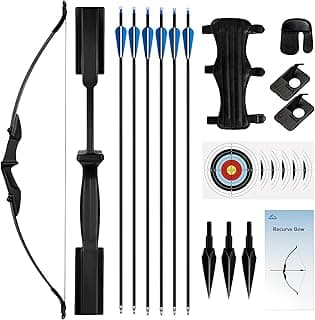
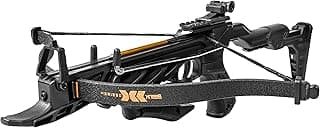
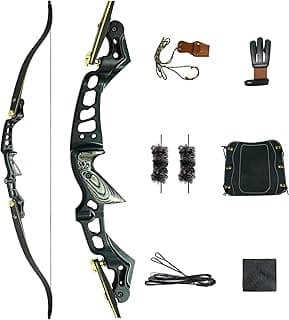
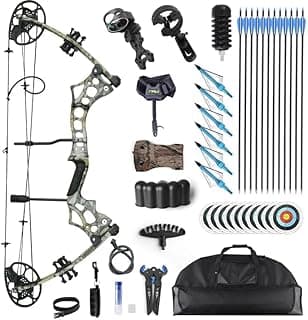
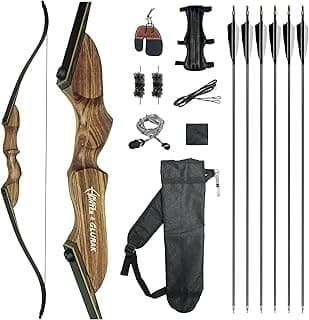
The following table breaks down the three primary categories of bows to help you differentiate between raw power and traditional craft.
| Feature | Compound Bow | Traditional Recurve | Modern Crossbow |
|---|---|---|---|
| Mechanical Advantage | High (Cam-assisted) | None (Manual) | Maximum (Mechanical Crank) |
| Maintenance Level | Technical (Requires Shop) | Low (User-serviceable) | High (Complex Trigger/Rail) |
| Effective Range | 40-60 Yards | 15-25 Yards | 60-100 Yards |
| BIFL Durability | Moderate (Needs String Swap) | High (Simple Design) | Low (Wear on Moving Parts) |
The "Buy It For Life" Philosophy: Hidden Costs and Maintenance
Prospective gift-givers must be aware that the initial purchase price of the best hunting bow is only the beginning of the investment. A high-performance best compound bow for hunting requires a specialized ecosystem. Unlike traditional tools, the strings and cables are high-tension consumables that must be replaced every 2-3 years, regardless of use, due to polymer degradation. Choosing a brand with a widely available network of independent dealers ensures the recipient can access third-party parts rather than being locked into a proprietary system that may be discontinued.
Furthermore, the environmental impact of archery is often overlooked. Lead-free accessories and modular components that can be transferred to a new riser in the future represent a sustainable approach to the hobby. When looking for best ideas for fathers day gifts, a bow that features an adjustable draw length and weight—often called a "growth-capable" bow—is superior because it can adapt to the archer’s aging process or changes in physical fitness, preventing the machine from becoming an expensive wall decoration.
Essential Safety and Protection Accessories
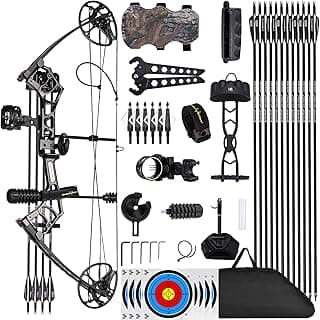
A complete archery gift package is incomplete without considering the physiological protection of the hunter. While most focus on the best bow and arrow for hunting, an expert would argue that protecting the senses is equally vital. Bows, while quieter than firearms, still produce a mechanical "thwack" that can cause cumulative hearing damage over years of practice. High-end best hunting ear-protection that amplifies ambient woods noises while suppressing the sharp crack of the string is an essential, though often forgotten, component of a professional setup.
Frequently Asked Questions: ARCHERY GIFT EDITION
Is a higher draw weight always better for a hunting bow?
No. While higher draw weights (70 lbs+) increase kinetic energy and arrow speed, modern cam efficiency allows a 50-pound bow to effectively pass through large game. Accuracy and the ability to draw the bow smoothly without excessive movement are far more critical for successful hunting than raw poundage.
Can I buy a hunting bow as a surprise without the recipient present?
Yes, provided you know their "draw length." This measurement is specific to the individual's wingspan. If the draw length is incorrect, the archer will never achieve a consistent anchor point, leading to poor accuracy and potential shoulder injury. Look for a bow with a "highly adjustable" cam system if you are unsure of the exact measurement.
What is the most common point of failure on a high-end bow?
The "dry fire" is the most common catastrophic failure, occurring when a bow is fired without an arrow. This causes the stored energy to vibrate through the limbs and cams instead of the projectile, often shattering the limbs. When gifting, emphasize that the bow should never be drawn back without an arrow nocked, even to "test the feel."
Do carbon fiber bows vibrate more than aluminum ones?
Technically, yes. Carbon fiber has a different resonant frequency and lower mass, which can lead to a "snappy" feeling in the hand. However, manufacturers counteract this with integrated dampening systems. Many hunters prefer carbon for its "warm to the touch" property in freezing winter conditions, whereas aluminum risers act as heat sinks, drawing warmth away from the hand.
In conclusion, selecting the best hunting bow is an act of technical curation. By prioritizing riser material, cam synchronization, and long-term repairability over flashy marketing, you provide more than a tool—you provide a heritage instrument that honors the skill of the archer. Whether as a milestone birthday present or a gesture of deep appreciation, a high-quality bow stands as a testament to durability and precision engineering.