
Understanding the Mechanics: Fixed vs. Mechanical Broadheads
The debate between fixed-blade and mechanical broadheads is rooted in the laws of physics. As an engineer would observe, every design choice involves a trade-off between aerodynamics and structural reliability. When selecting the best hunting broadheads as a gift, one must first identify the recipient's equipment and hunting style.
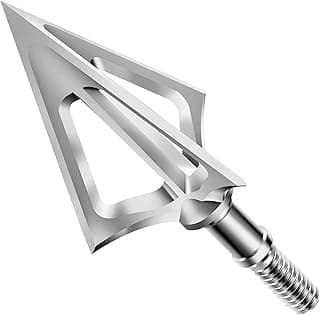
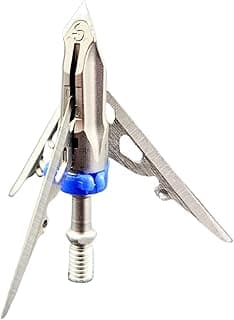
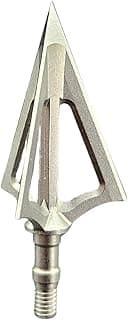
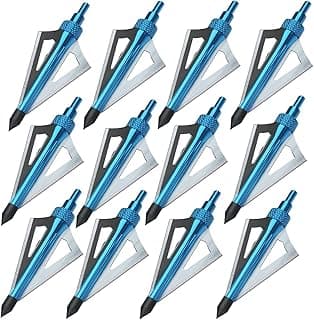
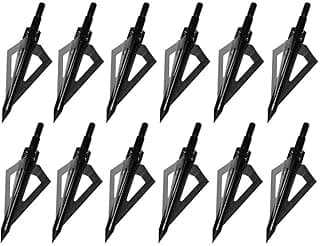
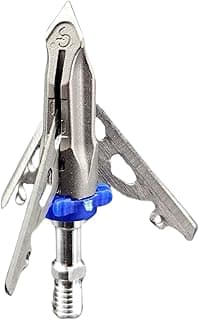
Fixed-blade broadheads are the gold standard for structural integrity. They consist of a solid ferrule and non-moving blades, offering a "fail-safe" design that is immune to mechanical malfunction. However, they require a perfectly tuned best compound bow for hunting to achieve flight consistency, as the blades can act like wings, causing the arrow to "plane" if the bow is slightly out of alignment. Conversely, mechanical broadheads remain closed during flight, mimicking the aerodynamics of a field point, and only deploy upon impact. This provides superior accuracy at longer ranges but requires significant kinetic energy to ensure full deployment and penetration.
Gifting tech is about more than specifications; it is about upgrading the recipient's window to the digital world, ensuring every frame is a testament to quality.
For those considering what do men really want for father's Day, a set of high-end broadheads is often the answer. Most hunters are reluctant to spend $100 or more on a small pack of premium heads, making them a luxurious and highly appreciated gift. To help you navigate these technical variables, the following table compares the primary categories based on physical performance metrics.
| Feature | Fixed Blade | Mechanical | Hybrid |
| Flight Characteristics | Sensitive to crosswinds; requires tuning. | Aerodynamic; flies like a practice tip. | Moderate; better than fixed, worse than mechanical. |
| Reliability | 100% - No moving parts to fail. | Variable - Requires energy to deploy. | High - Fixed bleeder blades provide backup. |
| Cutting Diameter | Typically 1" to 1.25" | Up to 2" or more. | Varies; usually 1.5" total. |
| Best For | Low draw weight bows; heavy-boned game (Elk/Moose). | High-speed bows; open-country deer hunting. | All-around versatility. |
The "Buy It For Life" Philosophy in Archery Gear
In a market flooded with inexpensive, mass-produced broadheads, the discerning gift-giver should look toward the "Buy It For Life" (BIFL) segment. Most budget broadheads are manufactured from stamped stainless steel or low-grade aluminum, which often deform or shatter upon hitting bone. Premium broadheads, however, utilize CNC-machined tool steel (such as S30V or A2) and high-grade titanium ferrules. These materials aren't just for show; they offer a level of hardness that allows the blade to maintain its edge through hide, rib, and dirt.
The hidden cost of cheap broadheads is their disposability. A hunter may spend $40 on a pack of three, only to throw them away after a single shot because the blades are notched or the ferrule is bent. Investing in the best hunting broadheads made from high-tensile materials allows for resharpening. A hunter who receives a set of hand-sharpened, solid-steel heads is receiving a tool that can be used for a decade, provided they have the skill to maintain the edge. This durability is why premium heads are often cited when people ask, "What makes a memorable gift?"
Selecting Broadheads Based on Game and Environment
The physical limitations of the hunting environment dictate the ideal broadhead choice. If your recipient is a backcountry hunter who spends weeks in a best backcountry hunting sleeping bag chasing elk in the mountains, they will likely value fixed-blade heads. The extreme toughness required to penetrate an elk's thick hide and heavy ribs makes a solid-steel fixed blade indispensable. On the other hand, a whitetail hunter in the Midwest, where shots are often closer and the game is less dense, might prefer the massive "slug hole" blood trails provided by mechanical broadheads.
Technical Considerations: FOC and Kinetic Energy
When gifting broadheads, weight is the most important specification you need to know. Broadheads are typically measured in grains, with 100-grain and 125-grain being the industry standards. However, many modern hunters are moving toward "Heavy FOC" (Front of Center) setups, utilizing 150-grain to 200-grain heads. A heavier head improves the arrow's stability in flight and increases its momentum, leading to better penetration. If you are unsure of the weight, checking the recipient's current best bow and arrow for hunting setup or asking for their "grain preference" is a subtle way to ensure the gift is compatible.
The Ethics of the Edge: Why Sharpness Matters
As a mechanical engineer would emphasize, the efficiency of a cut is a function of surface area and pressure. A dull broadhead pushes through tissue, causing trauma and slower blood loss. A truly sharp broadhead—one that can shave hair—slices through arteries and organs with minimal resistance. This is the difference between a long, difficult tracking job and a quick, ethical harvest. Premium broadhead manufacturers often spend as much on the final honing process as they do on the machining of the head itself.
Direct Answer FAQ: Everything You Need to Know
Are mechanical broadheads legal in all states?
No, mechanical broadheads are not legal in all jurisdictions. While most states allow them, a few western states and certain international territories have "no moving parts" regulations for big game hunting. Always verify the local regulations of the recipient's hunting area before purchasing.
Can you reuse a broadhead after shooting an animal?
Yes, provided the broadhead is a high-quality model and the ferrule is still straight. Fixed-blade heads made from tool steel can be cleaned and resharpened to a factory edge. Mechanical heads often require replacement blades and new O-rings or clips after a deployment to ensure they function correctly on the next hunt.
What is the most important factor in broadhead choice?
Accuracy is the most important factor. Even the most lethal broadhead in the world is useless if it does not hit the vital organs. If a hunter's bow is not tuned for fixed blades, a mechanical head that flies straight is a much better choice for ethical hunting.
Is a 125-grain head better than a 100-grain head?
Yes, in terms of penetration and momentum, a 125-grain head is generally superior. However, the choice must balance with the arrow's "spine" (stiffness). Adding weight to the front of an arrow makes the shaft flex more; if the arrow becomes too weak, accuracy will suffer. Most hunters stick to 100-grain unless they have specifically built their arrows for heavier weights.
Ultimately, selecting the best hunting broadheads is an exercise in empathy. It requires understanding the recipient’s patience, their equipment's power, and their dedication to the hunt. Whether it is for a birthday or best ideas for fathers day gifts, a set of precision-engineered broadheads is a gift that honors the tradition of the woods and the science of the shot.