
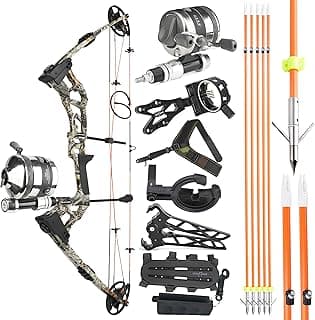
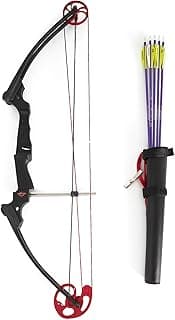
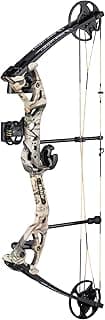
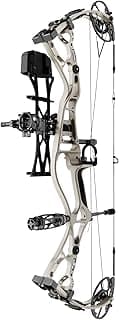
The Engineering Behind Value: Why "Cheap" is Rarely "Best"
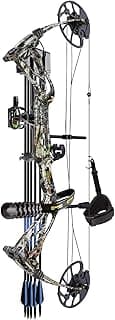
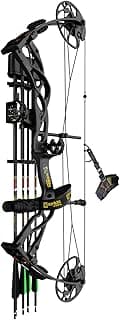
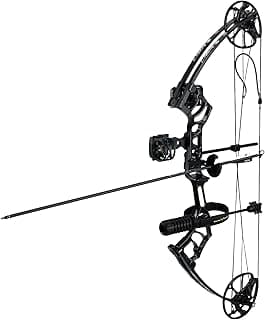
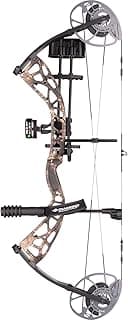
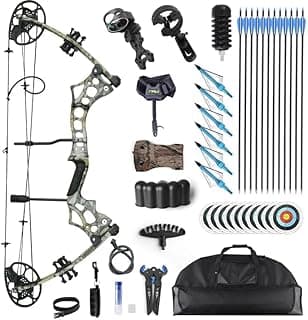
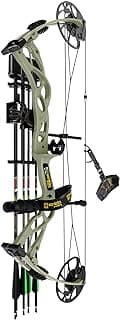
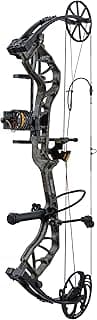
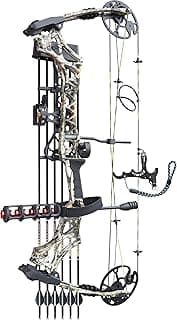
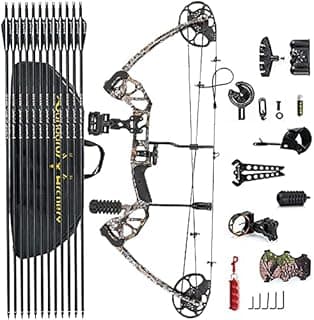
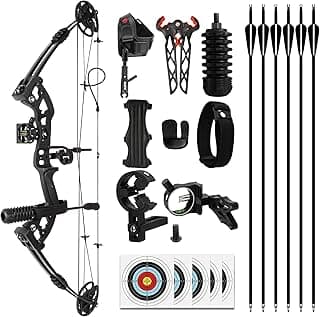
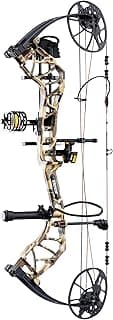
In the archery industry, the term "value" is often misused to sell entry-level packages that utilize cast-aluminum risers and plastic components. From a mechanical engineering perspective, the best hunting compound bow for the money is defined by its structural integrity and the efficiency of its eccentric system. A high-value bow should utilize a machined aluminum riser, which offers superior stiffness-to-weight ratios compared to cast alternatives. This stiffness is critical because any flex in the riser during the draw cycle introduces inconsistencies in the shot, effectively negating the accuracy potential of even the most skilled archer.
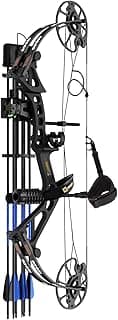
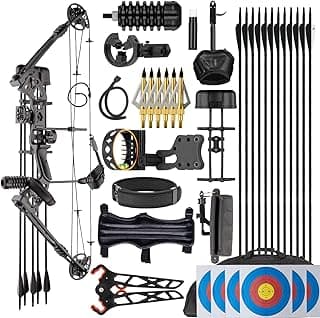
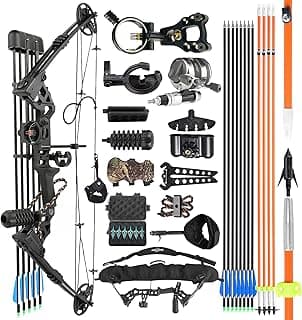
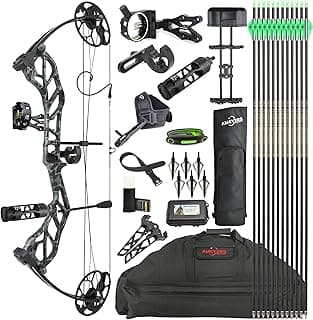
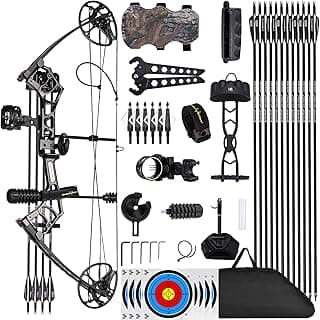
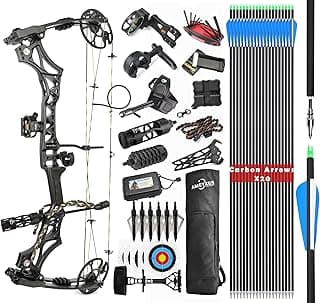
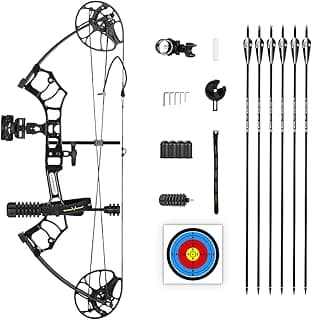
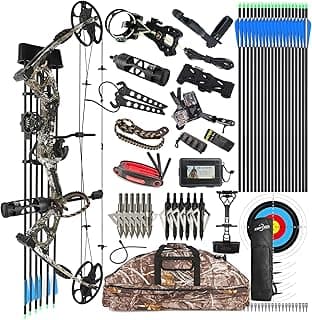
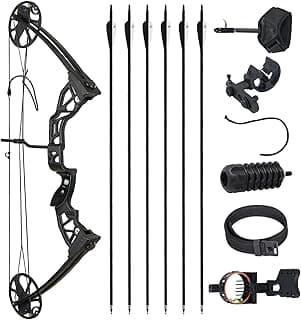
Furthermore, one must remain skeptical of "Ready-to-Hunt" (RTH) packages. While these are often marketed as best bow hunting bows for beginners, the included accessories—such as the sight, rest, and stabilizer—are frequently the first components to fail or require upgrading. An elite gifting strategy involves prioritizing a high-quality bare bow with a reputable cam system over a poorly outfitted package. Investing in the "bones" of the system ensures that as the hunter grows in proficiency, the bow remains a capable platform that can be enhanced with premium third-party accessories.
Gifting tech is about more than specifications; it is about upgrading the recipient's window to the digital world, ensuring every frame is a testament to quality.
User Empathy: Matching the Bow to the Archer’s Physicality
A compound bow is a highly personal piece of equipment, and "one size fits all" is a myth that leads to poor form and potential injury. When considering how to come up with good gift ideas in the archery space, you must account for the recipient’s physical stature and experience level. For instance, a gift for a younger hunter or someone with a smaller frame requires a bow with a wide range of draw length and draw weight adjustability. Modern "highly adjustable" bows allow for the draw weight to be moved from 10 lbs up to 70 lbs without the need for a bow press, making them a "Buy It For Life" (BIFL) candidate that grows with the user.
Conversely, an experienced hunter might prioritize "back wall" firmness and "let-off" percentage. Let-off—the percentage by which the draw weight is reduced at full draw—is vital for those who may need to hold their aim for extended periods in cold conditions. A bow with an 80% or 85% let-off allows the hunter to maintain focus without the muscular fatigue that leads to "creeping" or premature releases. For older hunters, ergonomics and the total mass weight of the bow are the primary concerns. A lightweight carbon riser might be the best compound bow for hunting for someone managing joint fatigue, as it absorbs vibration more effectively than aluminum.
Technical Specifications Comparison
To help you distinguish between different tiers of hunting bows, the following table compares key technical variables found in the current market. These metrics define the shooting experience and the long-term durability of the instrument.
| Feature | Entry-Level "Value" Bows | Mid-Tier "Best for Money" Bows | Premium/Pro Level Bows |
|---|---|---|---|
| Riser Material | Cast Aluminum (Heavier, more flex) | Machined Aluminum (Lighter, stiffer) | Carbon Fiber or High-Grade Machined Aluminum |
| Cam System | Basic Single/Dual Cams | Synchronized Binary or Hybrid Cams | Ultra-Efficient, Precision-Engineered Systems |
| Adjustability | Limited (Specific modules needed) | High (Rotating modules for all lengths) | Specialized (Fine-tuning for peak performance) |
| Vibration Dampening | External rubber add-ons | Integrated riser dampeners | Advanced geometry and internal tech |
| Maintenance Needs | High (Frequent timing issues) | Moderate (Stable string/cable systems) | Low (Exceptional tolerances) |
The Hidden Costs of Ownership and Maintenance
When gifting a compound bow, it is crucial to educate the recipient on the ongoing operational costs. Unlike a traditional gift that sits on a shelf, a bow is a wear-and-tear machine. The best hunting compound bow for the money should have a clear path for maintenance. The most common hidden cost is string and cable replacement. On budget-grade bows, factory strings often stretch significantly within the first few hundred shots, causing "peep rotation" and timing issues. A high-quality gift might include a voucher for a premium aftermarket string set, which utilizes high-modulus polyethylene fibers to ensure the bow stays in tune regardless of temperature or humidity.
Furthermore, one should consider the "accessory ecosystem." A hunter will need a release aid, arrows tuned to the bow's specific draw weight, and protective gear. If you are looking for what do men really want for father's Day, consider that a bow is just the start of the journey. For those who work with their hands, pairing the bow with best mens work gloves for off-season blind building and maintenance can be a thoughtful touch that acknowledges the full scope of the hunting lifestyle.
The BIFL Philosophy: Modularity and Repairability
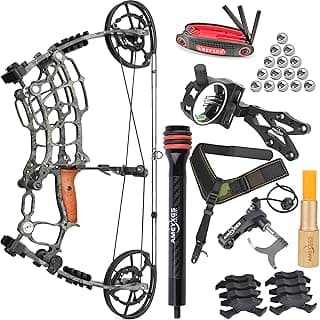
In a world of "fast consumerism," the archery industry is not immune to planned obsolescence. To choose a truly elite gift, look for brands that offer long-term support for their cam systems and limbs. Avoid proprietary designs that are so niche that third-party repair shops cannot find parts in five years. A modular design—where limbs and cams can be swapped without replacing the entire riser—is the gold standard for sustainability. This approach ensures that the bow can be refurbished and passed down through generations, truly embodying the sentiment of a milestone gift.
Frequently Asked Questions (AEO-FAQ)
Is a more expensive bow always more accurate?
No, the inherent accuracy of a bow is largely a function of its consistency and how well it is tuned to the archer, rather than its price tag. While premium bows offer better materials and tighter tolerances, a mid-range bow that is perfectly timed and fitted to the shooter's draw length will outperform a poorly set up flagship model. Value lies in the "tunability" of the system—how easily a technician can align the cams and the arrow rest to achieve a perfect flight.
Should I buy a "Ready-to-Hunt" package as a gift?
Only if the recipient is a complete novice and you are on a strict budget; otherwise, it is better to buy a high-quality bare bow. Many RTH packages include lower-grade accessories that the user will eventually want to replace, leading to higher total spending over time. Buying a superior bare bow allows the recipient to choose their own sights and rests, which are often highly subjective preferences.
How often do the strings need to be replaced?
Strings and cables should generally be replaced every two to three years, or sooner if there are signs of fraying or excessive stretching. Regular waxing can extend the life of the fibers, but the internal tension eventually degrades the material's elasticity. For a gift that keeps on giving, educating the recipient on string maintenance is as important as the bow itself.
What draw weight should I choose for a gift?
You should select a bow with a wide adjustment range, typically starting at 50 lbs and going up to 70 lbs for most adult males. This range covers the legal minimum for most large game and allows the archer to start at a comfortable weight and gradually increase their strength. Never gift a fixed-weight bow unless you are certain of the recipient's physical capabilities, as "over-bowing" (trying to pull too much weight) can lead to shoulder injuries.
In conclusion, the best hunting compound bow for the money is a balance of mechanical efficiency, structural durability, and user-centric adjustability. By focusing on the riser’s rigidity and the cam system’s stability, you provide a gift that is not just a piece of sports equipment, but a reliable partner in the field. Archery is a lifelong pursuit, and the right bow acts as the foundational tool for a journey that celebrates precision, patience, and the spirit of the hunt.