

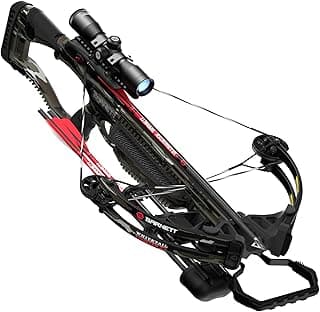
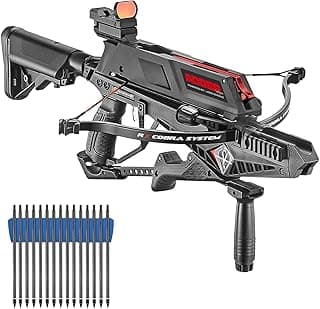
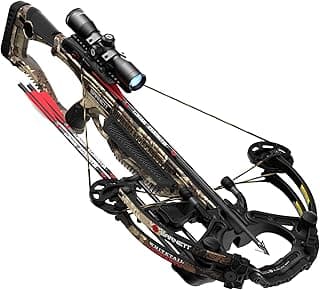
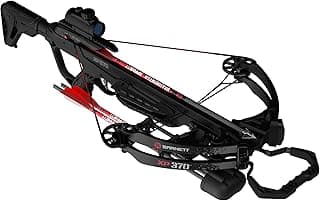
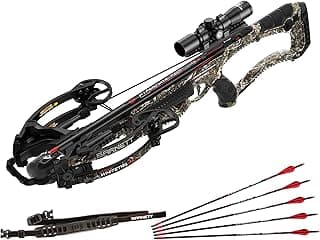
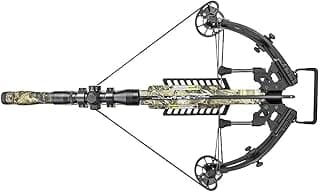
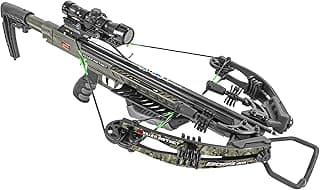
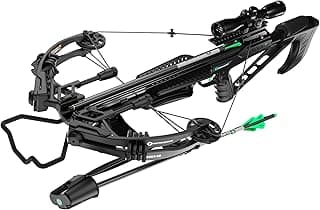
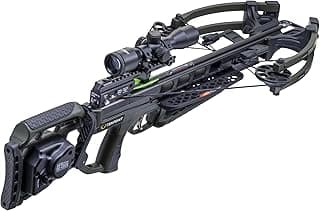
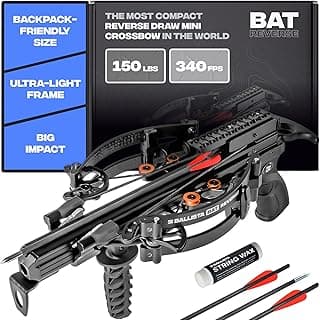
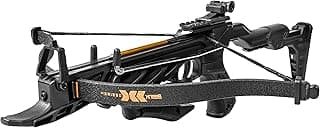
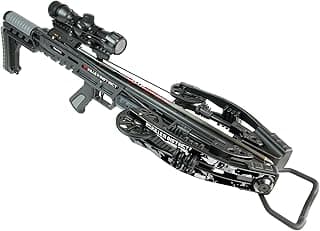
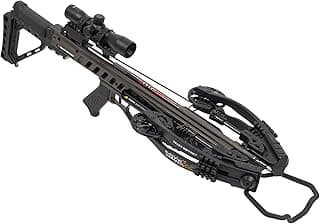
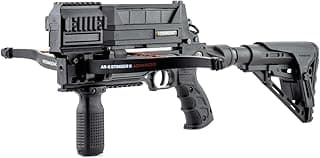
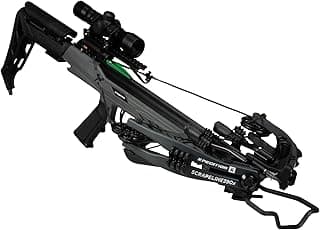
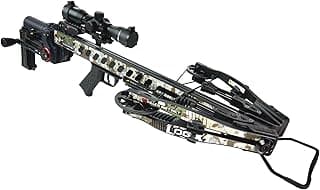
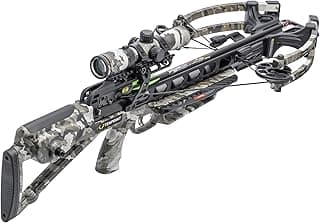
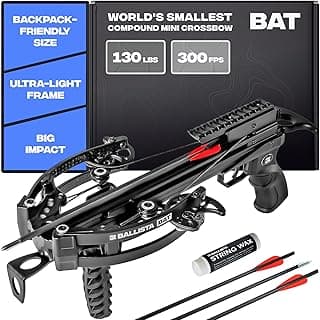
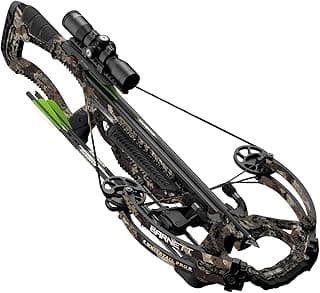
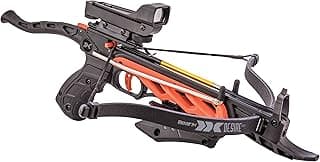
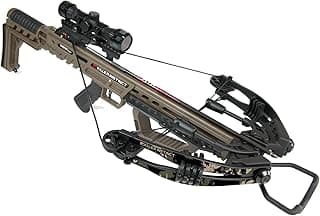
The Engineering of Precision: What Defines the Best Hunting Cross Bow
To identify a truly superior instrument, one must look beyond the initial aesthetic and focus on the power-to-weight ratio and cam efficiency. The best hunting cross bow is not necessarily the fastest on the market; rather, it is the one that maintains structural integrity under the extreme tension of its draw weight. Kinetic energy (KE) is the most critical metric here. A crossbow that generates 150 foot-pounds of KE can ethically harvest large game, but this performance comes at the cost of increased vibration and mechanical wear.
Gifting tech is about more than specifications; it is about upgrading the recipient's window to the digital world, ensuring every frame is a testament to quality.
When considering best gift ideas for him, many choose crossbows for their accessibility. Unlike vertical bows, which require years of muscle memory development, a crossbow allows a hunter to leverage a stable platform and optical sights. However, a "smart" gift-giver will consider the recipient’s physical profile. A heavy front-end bow can lead to fatigue, whereas a reverse-draw system redistributes the center of mass toward the shooter's shoulder, providing better balance for long treks in the woods.
Comparing Mechanical Systems: Compound vs. Recurve
The choice between compound and recurve systems often determines the "Buy It For Life" potential of the gift. Compound bows use a system of cams and cables to make the bow easier to cock and faster to fire. Recurve bows are simpler, featuring fewer moving parts, which often translates to higher field reliability and lower maintenance requirements over time.
| Feature | Compound Crossbows | Recurve Crossbows |
|---|---|---|
| Velocity (FPS) | Typically 350 - 470+ | Typically 300 - 380 |
| Maintenance | Requires a bow press for string changes | Can often be re-strung in the field |
| Width (Axle-to-Axle) | Narrow; ideal for tight blinds | Wide; can be cumbersome in thick brush |
| Durability | Multiple failure points (cams, cables) | High; minimal mechanical complexity |
Understanding these variables is part of learning how to come up with good gift ideas. If the recipient is what to gift a smart person who enjoys tinkering and understands mechanical advantages, a compound bow is ideal. If they value rugged simplicity and self-reliance in remote areas, a recurve model may be superior because it eliminates the need for a professional bow press to perform basic maintenance.
Hidden Costs and the BIFL Philosophy
A premium crossbow is an investment that incurs ongoing operational costs. A responsible analyst must warn consumers that the purchase price of the best hunting cross bow is only the beginning. Strings and cables typically require replacement every two years or every 200–400 shots, depending on the manufacturer's tension specifications. Failure to lubricate the rail or wax the strings can lead to catastrophic limb failure, which is a dangerous event for any user.
Furthermore, consider the ecosystem required for a successful experience. A high-velocity bow requires specialized, high-density targets; standard foam targets will be shredded by a 400 FPS bolt. When preparing this gift, one should also consider accessories like best binoculars for whitetail hunting or a best compass for hunting to ensure the recipient is fully equipped for the field. For those concerned about safety, including best shooting ear protection is a thoughtful addition, as the mechanical "crack" of a crossbow release can exceed 100 decibels, causing cumulative hearing damage over time.
User Empathy: Matching the Bow to the Hunter
The best hunting cross bow must accommodate the user's physical constraints. For elderly hunters or those with shoulder injuries, a manual draw may be impossible. In these cases, an integrated crank cocking device is a mandatory feature, reducing the required force by over 90%. Conversely, a younger, highly mobile hunter might prioritize a lightweight carbon-fiber frame to reduce the burden when carrying a best backpack hunting tent into deep backcountry environments.
Internal Components and Material Science
The limbs of the crossbow are subjected to hundreds of pounds of pressure. Lower-quality bows use cast limbs that may develop micro-fractures under extreme weather conditions. In contrast, the top-tier market utilizes compression-molded limbs that offer superior resistance to fatigue. When evaluating a potential gift, check the availability of third-party replacement parts. A bow from a manufacturer that uses proprietary, non-standard bolts or strings can become unusable if that company ceases operations, whereas modular designs offer a significantly longer lifespan.
Frequently Asked Questions (FAQ)
Is a faster crossbow always better?
No, excessive speed often correlates with increased noise, harsher vibration, and accelerated wear on strings and limbs. While high velocity provides a flatter trajectory, a bow shooting 350 FPS is more than sufficient for most North American game and usually offers a more pleasant shooting experience and greater longevity than one pushed to 470 FPS, which puts immense stress on the entire system.
What is the most common cause of crossbow failure?
Dry firing—releasing the string without a bolt in place—is the leading cause of catastrophic mechanical failure. This creates an immediate surge of energy that has nowhere to go but into the limbs and cams, often shattering them instantly. Always ensure the gift recipient understands the importance of the anti-dry fire (ADF) mechanism and never attempts to bypass it for any reason.
Can a crossbow be used for home defense?
No, a crossbow is a single-shot, slow-to-reload hunting tool and is not a practical or recommended choice for personal protection. Its physical size and mechanical complexity make it unsuitable for high-stress, close-quarters scenarios where reliability and rapid fire are paramount. It is strictly an outdoor sporting tool.
How long will a high-quality crossbow last?
With proper maintenance, a premium crossbow can last 15 to 20 years or more. This requires regular rail lubrication, string waxing after every dozen shots, and professional annual inspections of the limbs for micro-cracks. The "Buy It For Life" philosophy depends entirely on the user's commitment to preventative care and the availability of replacement cables and limbs.
In conclusion, selecting the best hunting cross bow as a gift is an exercise in balancing performance with practicality. By focusing on mechanical efficiency, user ergonomics, and long-term repairability, you can provide a gift that transcends a simple purchase, becoming a reliable companion for many seasons in the field.