
The Physics of Communication: RF vs. GPS Technology
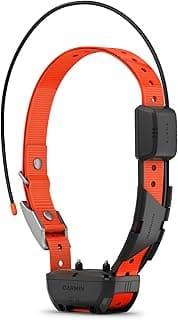
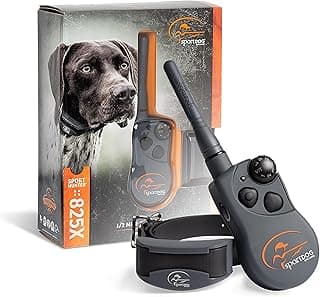
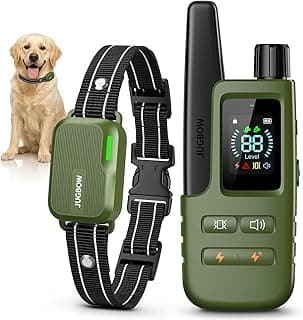
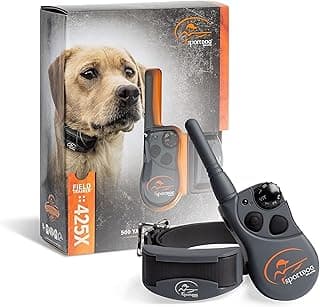
Understanding the technical architecture of a tracking system is paramount before committing to a specific model. Most professional-grade hunting collars utilize one of two primary technologies: Radio Frequency (RF) or Global Positioning System (GPS) integrated with cellular or satellite relays. RF systems are valued for their lack of subscription fees and their ability to function in deep canyons where cellular signals fail. However, they are subject to line-of-sight limitations and electromagnetic interference from terrain. In contrast, GPS-enabled collars provide precise coordinates but often rely on lithium-ion batteries that require careful management to avoid deep-discharge cycles that lead to chemical degradation.
Gifting tech is about more than specifications; it is about upgrading the recipient's window to the digital world, ensuring every frame is a testament to quality.
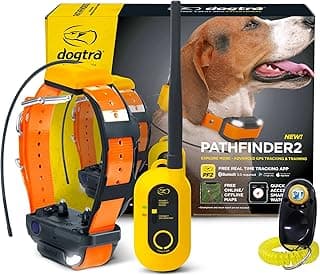
When analyzing these systems, the skeptical buyer must look beyond "theoretical range" claims. A device advertised with a 9-mile range may only achieve 1.5 miles in heavily timbered environments. For those looking for What to buy a father that has everything?, a collar that utilizes MHO (Multi-Hop) technology—allowing multiple collars to act as repeaters for one another—represents a significant upgrade in field reliability. This type of technical sophistication is what distinguishes an expert tool from a consumer-grade toy.
Technical Comparison of Hunting Collar Architectures
To assist in the decision-making process, the following table breaks down the core variables across the three most common categories of specialized dog collars found in the field today.
| Feature | Standard E-Collar | GPS Tracking Only | Integrated Track & Train |
|---|---|---|---|
| Primary Function | Behavioral reinforcement via static/vibration | Real-time location mapping | Simultaneous tracking and remote training |
| Communication Link | Short-wave Radio (AM/FM) | Satellite/Cellular | Hybrid RF-Satellite |
| Battery Longevity | 40-70 hours | 12-24 hours (ping dependent) | 20-30 hours |
| Environmental Rating | IPX7 (Waterproof) | IPX8 (Submersible) | IPX9K (High-pressure spray) |
Multi-dimensional User Empathy: Matching Hardware to the Environment
The "best" hardware is entirely relative to the physical limitations of the user and the specific demands of the canine’s role. For instance, an elderly hunter might prioritize a handheld unit with high-contrast, large-font displays and simplified tactile buttons to accommodate for reduced fine motor control or visual acuity. Conversely, a waterfowl hunter requires a device with strict saltwater corrosion resistance. While some might consider best dog life jackets for safety, the collar itself must have sealed charging ports to prevent electrolytic corrosion when exposed to marshy environments.
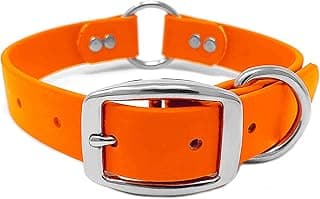
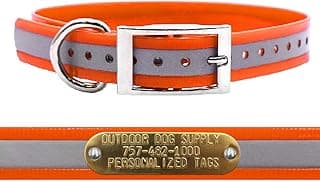
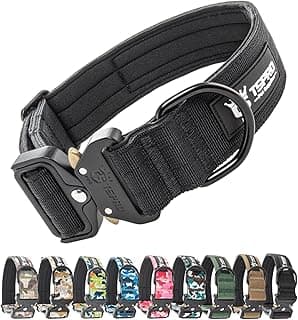
For high-density pet owners—those managing a pack of hounds—the software interface becomes the primary bottleneck. The ability to track up to 20 dogs simultaneously with customizable update rates is a feature found only in top-tier units. These users must also contend with "brush-wear," where the constant friction of the dog’s neck against brambles can shear off standard plastic buckles. In these cases, look for collars featuring stainless steel hardware and BioThane straps, which offer the flexibility of leather without the organic breakdown caused by moisture and bacteria.
The BIFL Philosophy: Repairability and Hidden Costs
In an era of fast consumerism, we advocate for the "Buy It For Life" (BIFL) approach. A high-quality hunting collar should not be a disposable electronic. One must evaluate the availability of independent third-party replacement parts, such as contact points, antennas, and straps. Many budget-friendly brands utilize "potted" electronics, where the internal circuitry is encased in epoxy, making repairs impossible once a single component fails. Premium manufacturers, however, often offer modular designs where the battery can be swapped out after its 500-cycle lifespan is exhausted.
There are also hidden operational costs to consider. GPS systems often require annual subscriptions for satellite access or topographical map updates. If you are debating Is $1000 a good birthday gift?, a high-end integrated system often hits this price point once you include the handheld receiver, the collar, and the necessary mapping licenses. However, when compared to the cost of a lost dog or a failed expedition, the value-to-cost ratio shifts heavily in favor of the initial high-tier investment.
Protecting the K9 Athlete in Winter Conditions
While the best hunting dog collar handles the tracking, the physical protection of the dog in extreme cold is often overlooked. Just as a hunter relies on best wireless game cameras to scout terrain, they should also monitor the dog's extremities. In sub-zero temperatures, the metal contact points of an e-collar can become a source of thermal discomfort. During these months, it is worth pairing your technical gear with the best boots for dogs winter to ensure the dog remains mobile and focused. This holistic approach to gear selection characterizes the professional handler.
Direct Answer Framework: Frequently Asked Questions (FAQ)
Does a hunting collar require a cellular signal to work?
No, many high-performance hunting collars utilize dedicated radio frequencies to communicate directly with a handheld receiver, making them fully functional in remote areas without cell towers. However, "lite" tracking collars designed for suburban use do often rely on cellular networks and will fail in deep wilderness settings.
Is the stimulation from an e-collar harmful to the dog?
No, when used correctly by a trained handler, the "static" stimulation is designed to get the dog’s attention rather than cause pain, similar to the sensation of a TENS unit used in human physical therapy. Most modern units offer 100+ levels of micro-adjustment to allow for the lowest effective setting for each individual dog’s temperament.
How often should I replace the strap on a hunting collar?
Straps should be replaced every 2 to 3 years or immediately if any deep fraying or cracking is observed. While the electronic module may last a decade, the strap is a wear-item that is constantly exposed to UV radiation and mechanical stress; switching to a BioThane material can significantly extend this interval due to its superior resistance to environmental degradation.
Can I use a hunting collar for a non-hunting dog?
Yes, but it is often overkill for casual use. The ruggedization and long-range capabilities of a professional hunting collar are designed for dogs that may be miles away from their owner; for a typical pet in a fenced yard, these features represent unnecessary weight and expense. For those seeking a unique experience, a hunting-grade collar might be considered a good experiential gift for a dog owner who wants to start hiking in the backcountry.
Final Assessment
Choosing the right hardware for a canine companion is a decision that balances mechanical durability with electronic precision. By focusing on modularity, signal integrity, and the specific environmental needs of the dog, you can select a gift that serves as a lifelong tool for the field. Avoid the allure of "all-in-one" budget devices that compromise on water sealing or battery safety. Instead, invest in a system that honors the dog's role as an athlete and the hunter's commitment to the craft.